HR is one of the most misunderstood functions in business. To employees it can feel like the place complaints disappear into. To managers it can feel like a bureaucracy that slows them down. To executives it can feel like a cost centre that should be more strategic but somehow never is. None of those caricatures are wholly wrong, and all of them are evidence of a function that has not yet defined what it should be doing — or has defined it but does not deliver.
This guide is about what a modern HR function actually does, how to structure it, what the career path looks like inside it, and what distinguishes a genuinely effective HR team from one that just keeps the lights on.
What HR actually does
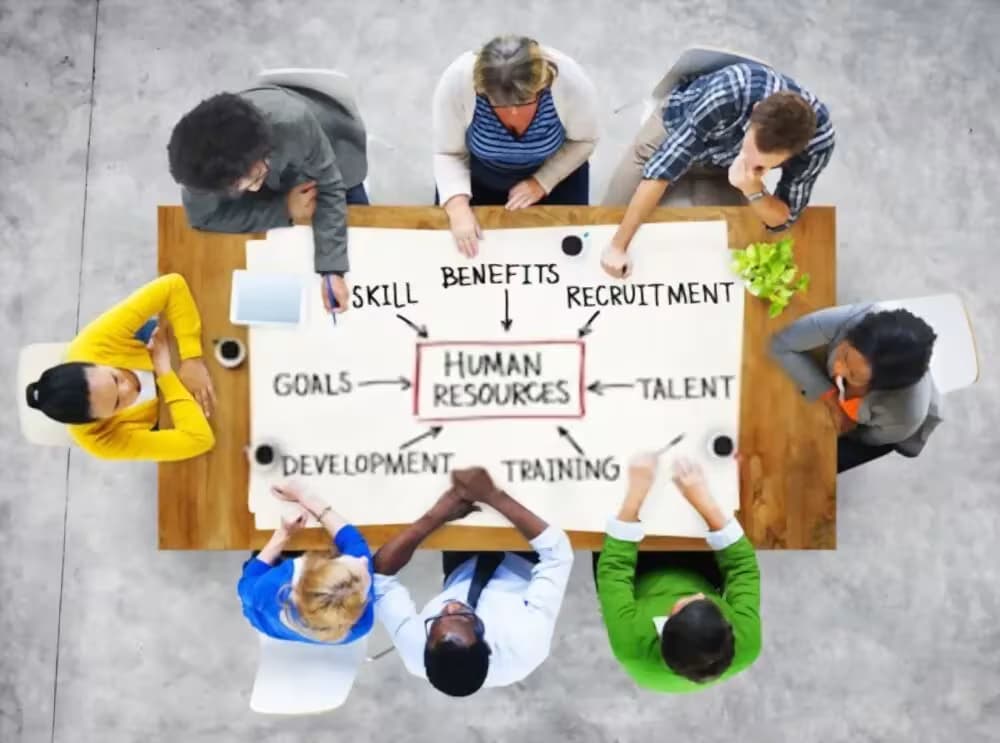
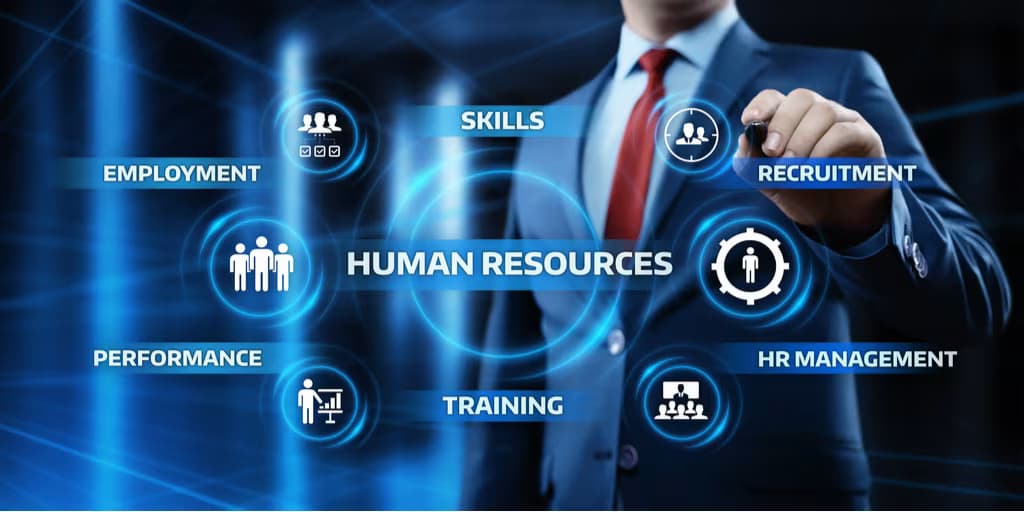
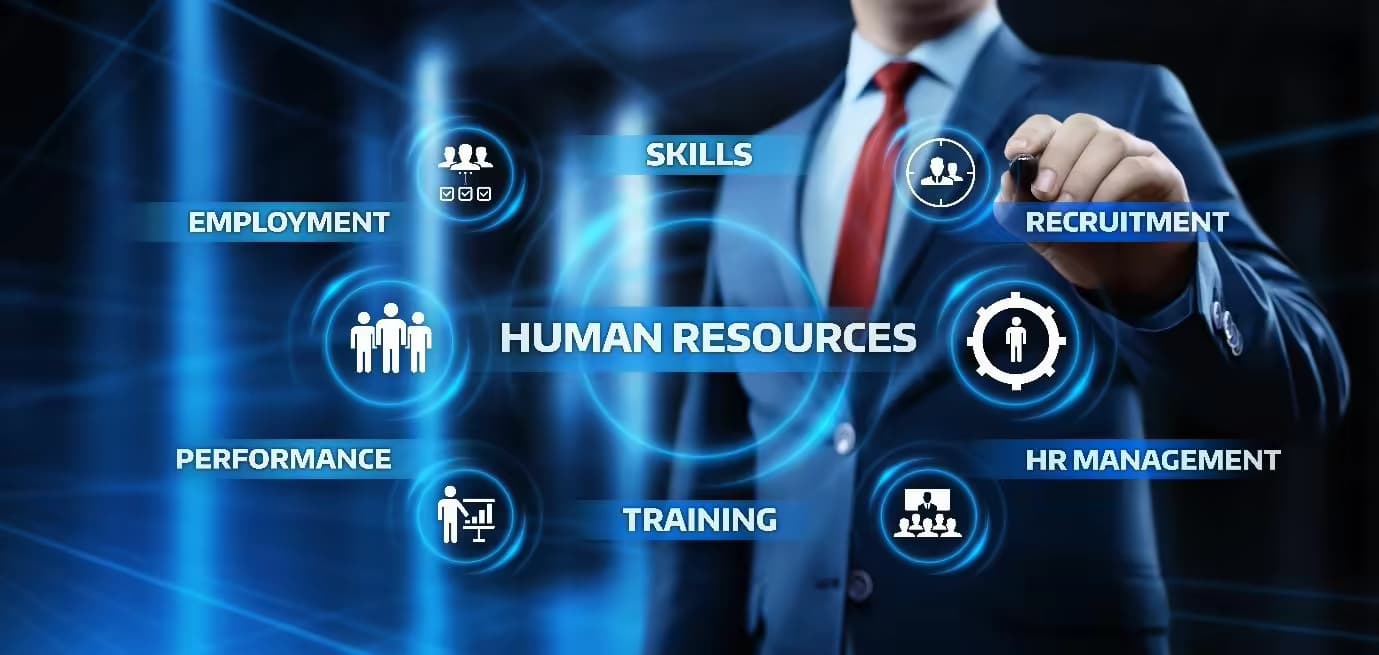
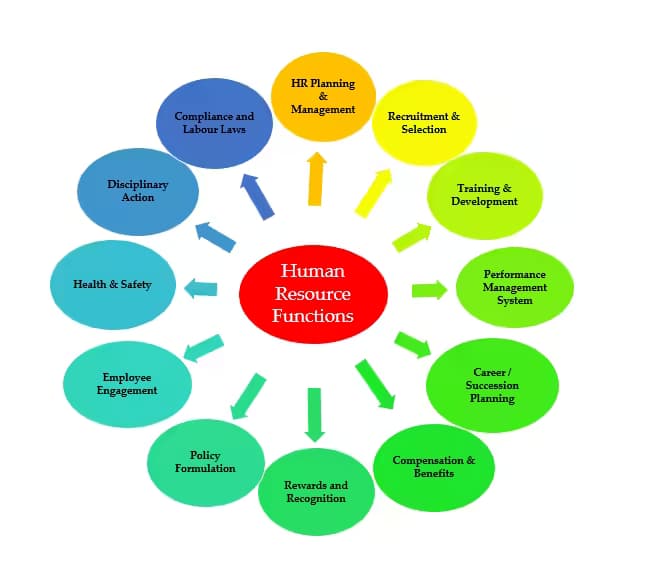
Strip away the labels and HR's work falls into a recognisable set of areas:
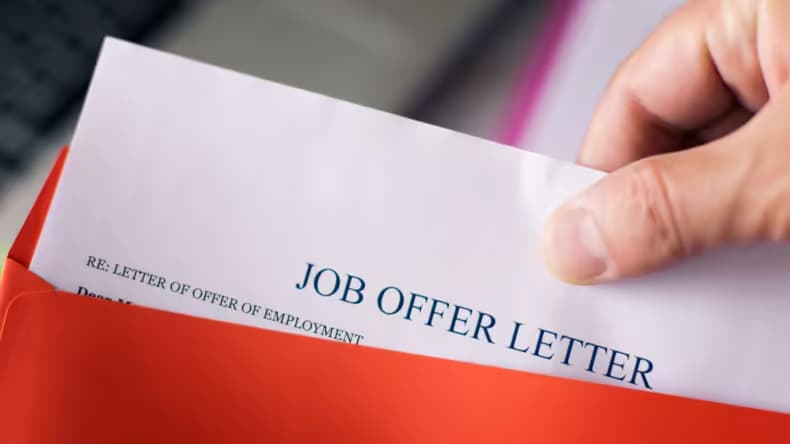
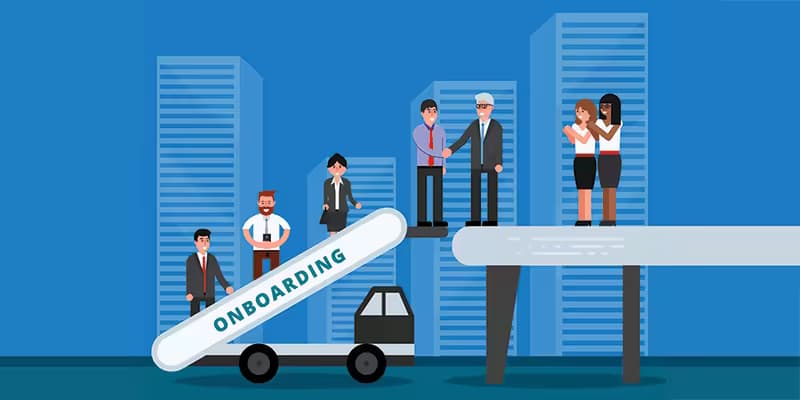
- Workforce and resourcing. Forecasting what people you need, hiring them, onboarding them, and managing the headcount over time.
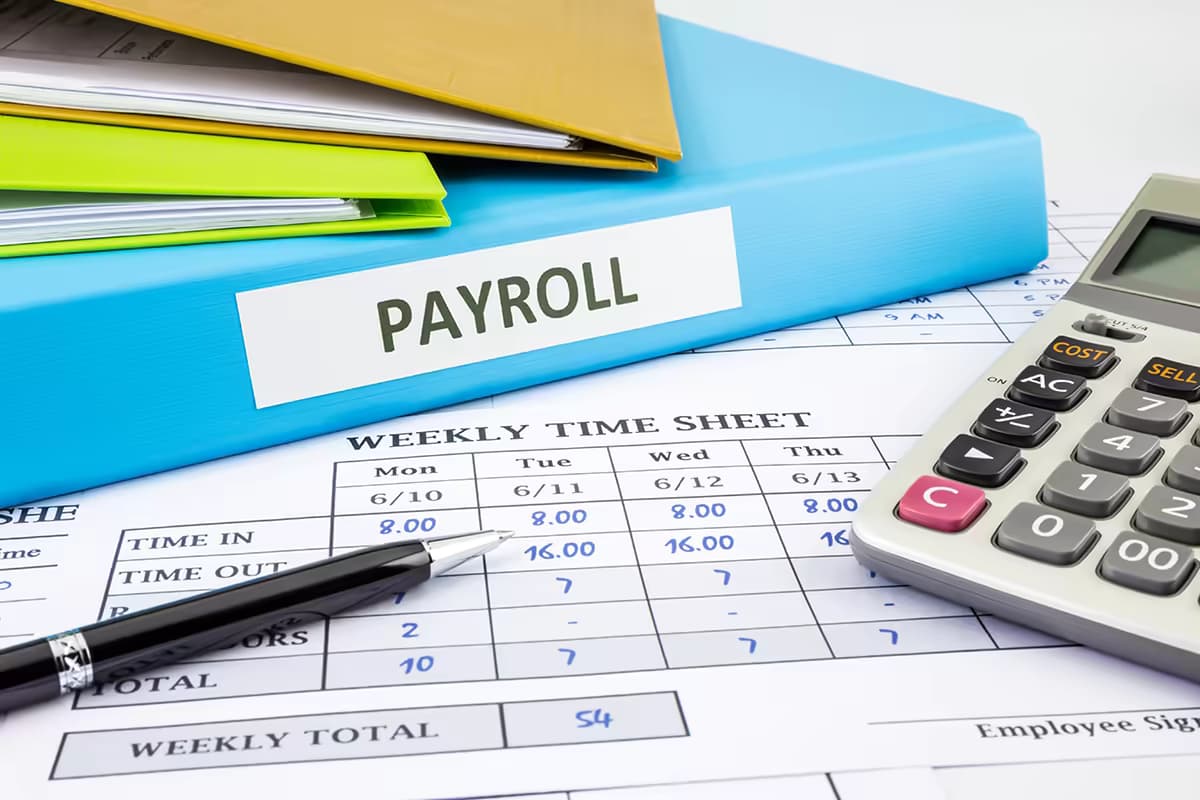
- Pay and reward. Designing salary structures, running benchmarking, administering payroll, managing benefits, and handling pay decisions.
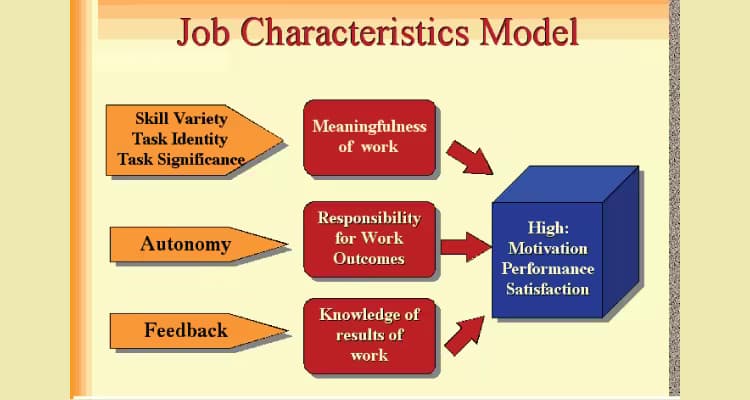
- Performance and development. Setting up the systems that shape how people are managed, reviewed, developed and promoted.
- Employee relations. Handling grievances, discipline, conflict and the everyday management of the employment relationship.
- Compliance and policy. Ensuring the company meets its legal obligations under the relevant labour law and managing the policies that govern the workplace.
- Culture and experience. Shaping how it actually feels to work in the company, day to day, across the moments that matter.
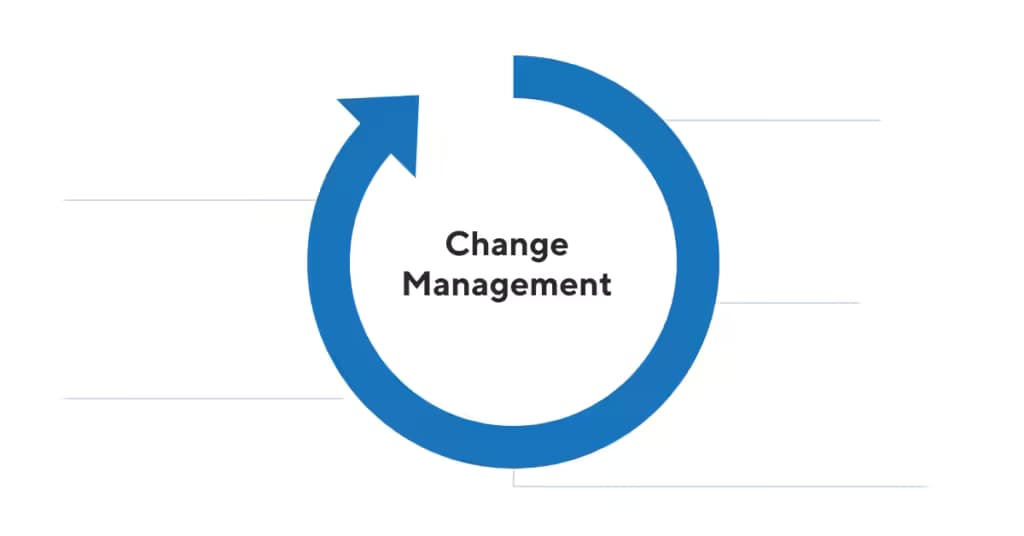
- Organisation and change. Supporting structural change, capability building, and the broader work of making the organisation more effective.
In a small company, one or two people cover all of this. In a large company, it is split across many roles. The set of responsibilities does not change much; the operating model around it does.
HR operating models
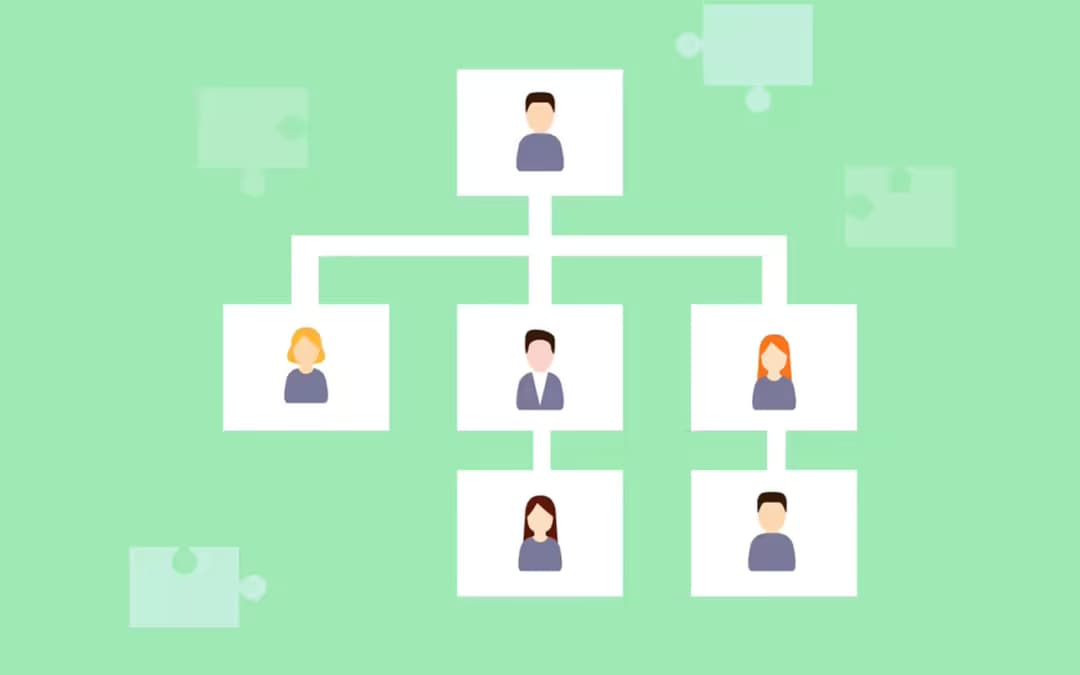
The dominant model in mid- to large-sized organisations follows three pillars, often called the Ulrich model after the academic who codified it. The three pillars are:
HR Business Partners
Senior generalists embedded with business units, acting as advisors to the leaders of those units. They work on workforce planning, organisation design, talent strategy and change. The good ones are treated as peers by the business leaders they serve. The weak ones are reduced to relaying policy and chasing paperwork — and the surrounding research on hiring, engagement, performance, and leadership sets the bar that strong HRBPs work against.
Centres of Expertise
Specialist teams that own deep capability in specific areas — reward, talent, learning, organisation development. They design the programs, set the standards, and provide expert input that business partners draw on. Centres of expertise work best when they are small, senior, and clearly accountable for outcomes rather than activity.
Shared Services
The transactional engine of the function — payroll, benefits administration, employee data, simple queries. Shared services should be efficient, accurate, and largely invisible. When they fail, the rest of the model falls apart, because business partners and specialists end up doing transactional work they should not be doing.
When the model fails
The three-pillar model is sound in theory and often messy in practice. The most common failures:
- Business partners pulled into transactional work because shared services is unreliable.
- Centres of expertise designing programs that the business does not adopt because the partnering layer was not engaged.
- Shared services overloaded with exceptions because the standard processes were never properly defined.
The fix is rarely to abandon the model. It is to fix the operational discipline within each pillar and the handoffs between them.
HR versus People Operations
The People Operations label, popularised in the technology sector, originally signalled a more product-minded, data-informed, employee-experience-focused approach to traditional HR work. In practice, the boundary has blurred. Most modern HR teams have absorbed the better elements of the People Ops mindset — using data, designing for the employee experience, treating processes as products that can be improved iteratively.
Where the label still does work, it tends to signal three things: a stronger product mindset in the function, a flatter relationship between HR and engineering or commercial leadership, and a willingness to challenge HR conventions that have outlived their usefulness. None of these require a relabel — but if the relabel helps drive the change, it is harmless.
The HR career path
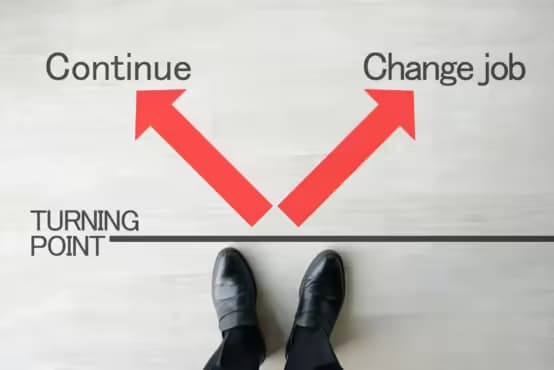
The HR career path has more variety than most outsiders assume. Common shapes include:
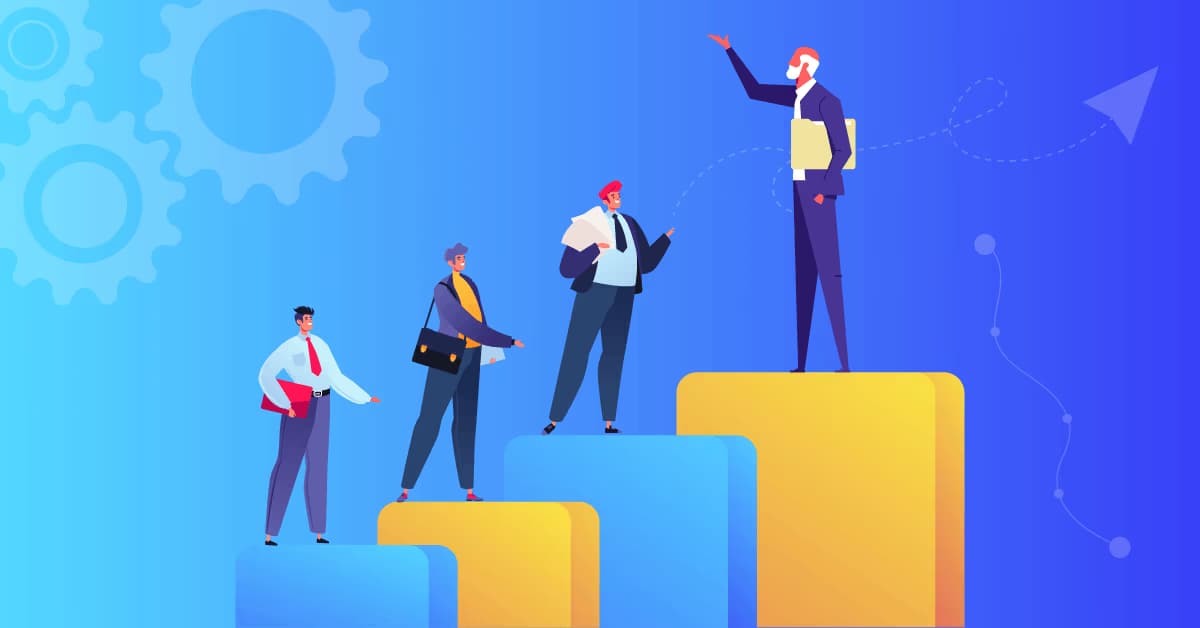
- The generalist track. Starting as an HR coordinator or advisor, moving to HR manager, then HR business partner, then senior HR leader. Broad exposure to all areas of the function, increasing in the seniority of the business unit served.
- The specialist track. Building deep expertise in a particular area — reward, talent acquisition, learning, organisation development — and progressing as that domain expert.
- The hybrid path. Many senior HR leaders have moved between generalist and specialist roles, accumulating both breadth and depth over a career.
- The chief people officer track. Increasingly, the most senior HR role in an organisation is treated as a peer of the chief financial and chief operating officers. Reaching it requires both functional credibility and genuine business judgement — terrain we map in detail in our look at the evolving challenges of the CHRO role.
What gets people promoted in HR is not perfect process management. It is judgement under pressure — knowing what to fight for, what to let go, when to escalate, when to absorb, and how to influence senior business leaders without becoming either a rubber stamp or an obstacle.
Evolving expectations
The expectations on HR have shifted considerably in the last decade. The function is now expected to:
- Be a credible commercial partner, not just a policy administrator.
- Use data to drive decisions, not just to fill reports.
- Own the employee experience as deliberately as marketing owns the customer experience.
- Lead on areas like wellbeing, inclusion and ethics that were once peripheral — including burnout signs at work that used to be treated as a manager's private problem.
- Run technology programs that genuinely transform the function, rather than just buying systems.
Not every HR team has caught up to these expectations. The ones that have are increasingly differentiated, and increasingly central to how their organisations make important decisions.
What good looks like
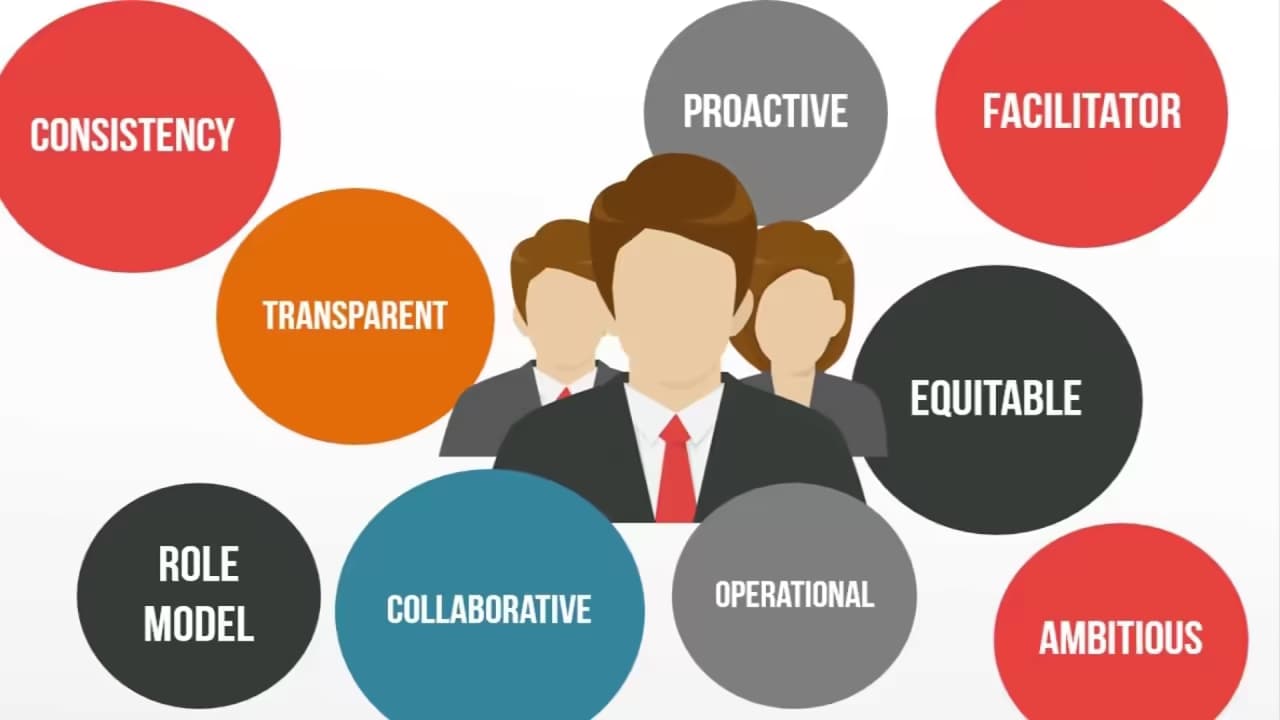
A strong HR function shares a few visible traits. The leadership team consults it before making big decisions, not after. Managers find it easier to do their jobs because of HR, not harder. Employees see it as fair — not always agreeing with it, but trusting that the process is honest. Data is used to inform decisions, and the function challenges the business with evidence rather than opinion. And the senior HR leaders are people you would want around any strategic conversation, not only the ones about people.
When all of that is true, the function does not need to argue for its seat at the table. It is already there.
Common HR mistakes to avoid
- Defining HR by the policies it produces rather than the outcomes it drives.
- Hiring senior HR leaders for HR experience alone, without checking for business judgement.
- Building a complicated operating model before the basics — payroll, hiring, employee data — are reliably running, often holding growth back in the process.
- Letting HR become the place where uncomfortable management decisions are quietly handed off.
- Investing in technology and frameworks while neglecting the manager training that makes either of them work.
- Measuring the function on activity volume rather than business impact.
Where to go next
If you are stress-testing your own function, start with the macro picture in 13 HR Trends That Will Shape 2026 — useful for sense-checking which pressures are about to land on the team.
For the strategic-versus-administrative debate, the evolving role of HR in a changing business environment sets out what the function is now being asked to absorb.
When the work shifts from policy to evidence, the balance between human and AI in HR decisions is a useful frame for where judgement still has to come from people.
On the everyday craft, proven ways to improve HR processes is a practical companion for the cleanup that almost every function needs.
For careers, see CIPD levels explained for the qualifications path that still anchors much of the profession.
Get more guides like this
One email a week with the latest HR guides, frameworks, and templates. Unsubscribe anytime.



































































































































































































































































































































































































































.avif&w=3840&q=75)

.avif&w=3840&q=75)


.avif&w=3840&q=75)
.avif&w=3840&q=75)


.avif&w=3840&q=75)



.avif&w=3840&q=75)




.avif&w=3840&q=75)










.avif&w=3840&q=75)


.avif&w=3840&q=75)














.avif&w=3840&q=75)

.avif&w=3840&q=75)


.avif&w=3840&q=75)