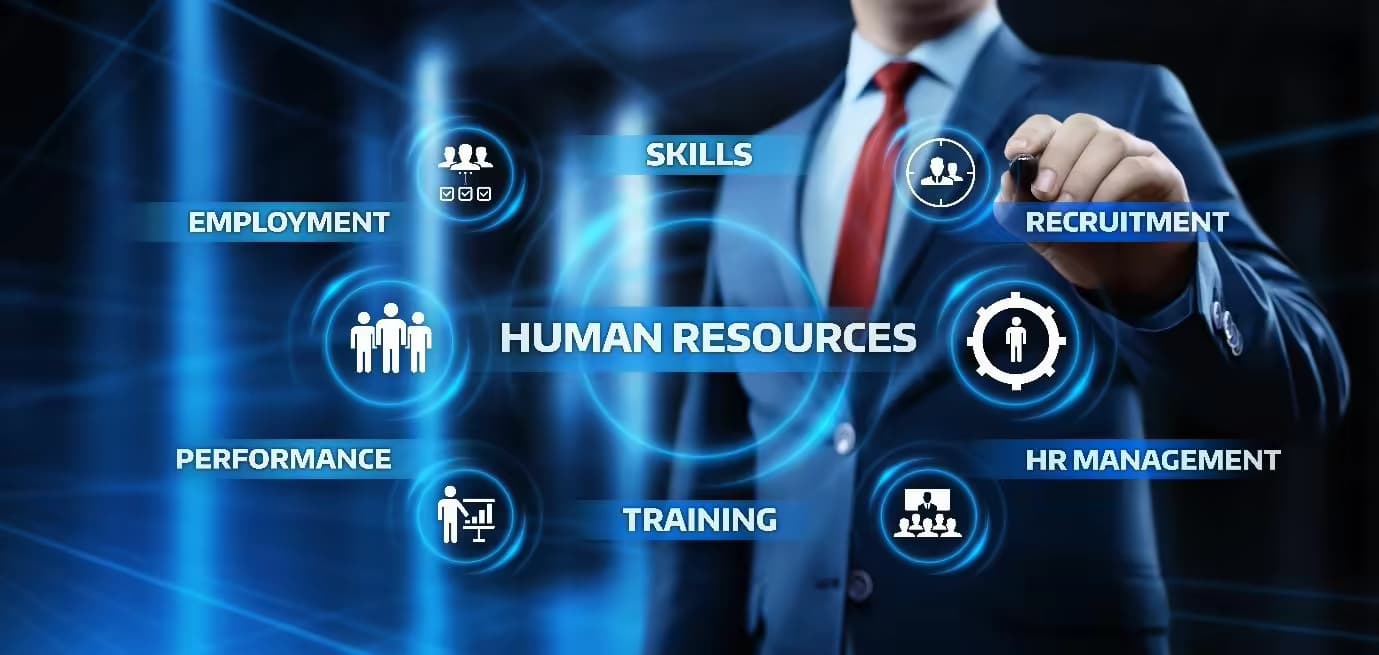
HR teams have a lot on their plate every day. Training has to stay consistent.
ERP and LMS platforms are often treated as distinct applications, but they work best when connected. This helps HR teams spend less time on admin work and more time supporting people.
In this article, we’ll dive deeper into learning more about how ERP and LMS integration can simplify HR operations and reduce unnecessary friction.
Building a smarter HR workflow
A smarter HR workflow brings employee data, automated processes, and learning systems together so HR teams can reduce manual work, improve visibility, and support employees more effectively at every stage.
ERP software for small businesses
An ERP system gives HR teams a single place to manage employee data, payroll, attendance, and reporting. Tools like MRPeasy’s ERP software for small businesses make the lives of HR teams much easier, reducing the time they spend on admin tasks, planning, hiring, and more.
The good news is that since they have more time, they can focus more on supporting employees as the business grows.
Automating HR workflows between systems
A smarter HR workflow depends on more than just where data is stored. It also depends on how smoothly that data moves between systems. Automation connects everyday HR actions and ensures that updates in one platform trigger the right processes elsewhere.
When a new employee is added to the ERP, automated workflows can start onboarding steps, assign training, and notify the right teams without manual follow-ups. Role changes, department moves, or contract updates can automatically adjust learning paths and compliance requirements. This reduces delays, prevents missed steps, and keeps HR processes consistent as the organization scales.
Connecting learning and development to everyday HR processes
When it comes to an LMS, it manages learning and is used for providing orientation, role-based learning, certifications, and skill development courses.
Using an intuitive LMS platform for HR and L&D leaders makes it easier to manage onboarding and ongoing learning in one place.
Integration refers to the aspect where the systems can exchange information. Employee updates in the ERP instantly reflect in the LMS, and trainee performance is integrated into the personnel department without any trouble.
Optimize onboarding from day one
First impressions matter, especially for new hires. When onboarding feels slow or confusing, it sets the wrong tone from the beginning. An integrated ERP and LMS setup helps HR teams to create a smoother experience from day one.
Statistics show that the ERP market is expected to grow to $61.23 billion by 2030. The LMS market is expected to grow to $70.83 billion by 2030.
Employee details entered into the ERP can automatically trigger onboarding tasks and training inside the LMS. New hires get access to the right documents, policies, and learning paths without chasing emails or logins. This means everything is ready from the beginning.
This approach reduces manual work for HR and gives new employees clarity early on. They know what to do, where to go, and what is expected. That early structure helps people settle in faster and feel confident in their role.
Turn compliance from a risk into a strength
Compliance often feels like something HR teams have to manage quietly in the background. Missed training, outdated records, or manual tracking can quickly turn into real risk during reviews or audits.
When ERP and LMS systems are connected, compliance becomes easier to manage and easier to prove. Employee data stays up to date, required training is assigned automatically, and completion records are stored in one place. There is no need to chase spreadsheets or emails.
This setup gives HR teams confidence. Instead of reacting to problems, they can stay ahead of requirements and show clear evidence when it matters. Over time, compliance stops being a source of stress and becomes a strength that supports the business.
Align learning with business goals
Training only matters if it helps the business move forward. Too often, employees complete courses that don’t connect to real objectives or daily work.
When your LMS is integrated with your ERP, learning programs can be tied directly to your business goals. You can track which skills are needed for upcoming projects, certifications, or performance targets and assign training accordingly.
This approach helps make sure employees develop the skills that truly matter. It makes learning purposeful, keeps the team focused, and helps HR show how training contributes to overall business success.
Reducing HR administrative tasks
HR teams spend too much time on repetitive tasks. Updating employee records, assigning training, and tracking completion often means jumping between systems and fixing small errors.
When ERP and LMS platforms are integrated, much of this work happens automatically. Employee data only needs to be entered once. Role changes trigger new training, and reports are generated without manual checks.
This frees up time for more meaningful work. Instead of managing paperwork and follow-ups, HR teams can focus on supporting employees, improving processes, and planning for future growth.
Workforce planning and talent choices
Making the right staffing and training decisions depends on having accurate, up-to-date data.
Integrating ERP and LMS systems gives HR teams a complete view of employee skills, training progress, and performance history. This makes it easier to spot gaps, plan promotions, or identify who needs additional support.
With this insight, managers can make smarter talent decisions. Hiring, training, and development become more strategic instead of reactive. Teams can plan for growth with confidence, knowing they have the right people in the right roles.
Accurate workforce data
Making smart HR decisions depends on having reliable data. When employee information is distributed across multiple systems, it’s easy for errors to creep in and for managers to make choices based on incomplete or outdated information.
Integrating your ERP and LMS makes sure that employee records, training progress, and performance data are all in one place. Updates happen automatically, so information stays current without extra effort from HR teams.
With accurate workforce data, managers can identify skill gaps, track development, and plan staffing more effectively. It turns raw data into actionable insights that support better decisions and stronger business outcomes.
Choose compatible systems
A successful ERP and LMS integration starts with choosing systems that work well together. Not all platforms are built to connect easily, and forcing an integration later isn’t a cost-effective option.
Before making a decision, it helps to check how each system handles data sharing, user roles, and reporting. Look for built-in integrations, open APIs, and strong vendor support. These details make a big difference once the systems are live.
Choosing compatible tools from the start reduces friction for HR teams and avoids tech headaches down the line. It also ensures that integration supports real workflows instead of creating additional work to manage.
Pilot the integration
Rolling out a full integration all at once can be risky. A pilot phase gives HR teams the chance to test how the ERP and LMS work together before committing at scale.
Start with a small group or a single process, such as onboarding or compliance training. This makes it easier to spot gaps, fix issues, and gather feedback from real users.
Piloting the integration helps build confidence and reduces surprises later. It also gives teams time to adjust their workflows.
Measure the outcomes
Once the integration is live, it’s important to check what is actually improving. Without making any measurements, it’s hard to know if you are actually receiving any value or not.
Look at outcomes that matter to HR and the business. This might include faster onboarding, higher training completion rates, fewer compliance issues, or reduced admin time. Comparing these results to how things worked before helps you better understand the progress you’re making.
Measuring outcomes helps teams refine the setup over time. It turns the integration into an ongoing improvement process instead of a one-time project.
Train HR staff and managers
Even the best integration will fall short if people don’t know how to use it properly. HR staff and managers need to be clearly guided on how the ERP and LMS work together.
Training should focus on real tasks, not just system features. This includes onboarding new hires, assigning training, running reports, and handling role changes. When managers understand the process, they’re more likely to use the systems correctly and consistently.
Integrating ERP and LMS systems isn’t just a tech upgrade
Yes, it’s not just a tech upgrade, but a practical way to reduce friction in HR operations and support people more effectively. When done right, integration improves onboarding and compliance and reduces admin work.
The key is to choose compatible systems, pilot the integration, train teams properly, and measure what improves over time. Overall, ERP and LMS integration becomes a foundation for smarter HR decisions and long-term growth.