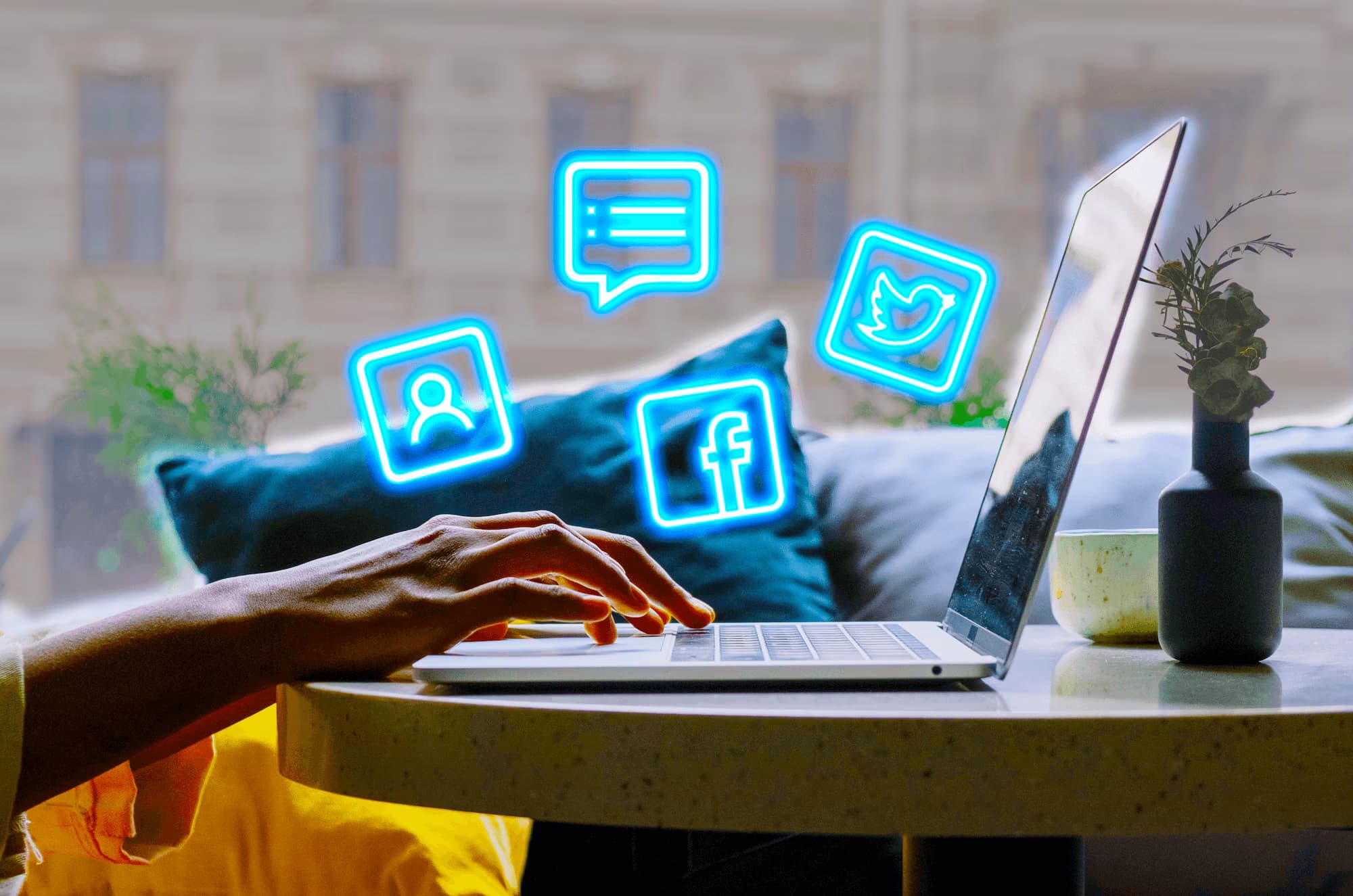
Social media is a double-edged sword for modern businesses. It’s brilliant for branding, reach, and recruitment — but it also poses real HR, legal, and reputational risks if not properly managed. Here are the 10 biggest HR risks companies face today and why every organization needs a clear social media policy, training, and enforcement strategy.
1. Employee Misconduct Going Public
An off-hand tweet, TikTok, or rant on Facebook can instantly go viral, pulling the business into serious PR trouble. Even when employees think they’re posting “personally,” the public often associates their behaviour with their employer.
Risk: Reputational damage, complaints, and rapid loss of customer trust.
2. Confidential Information Leaks
Employees sometimes share behind-the-scenes content, client details, internal documents, or screenshots without realising they’re breaching confidentiality agreements.
Risk: Legal exposure, data breaches, and regulatory penalties.
3. Harassment or Bullying Online
Workplace harassment now extends beyond office walls. Employees may become victims — or perpetrators — of bullying, discrimination, or inappropriate messaging on social platforms or messaging apps.
Risk: HR investigations, tribunal claims, and brand harm.
4. Blurred Lines Between Work and Personal Accounts
When employees identify their employer in their bio or content, personal opinions can be interpreted as company statements.
Risk: Misrepresentation of company values and potential compliance violations.
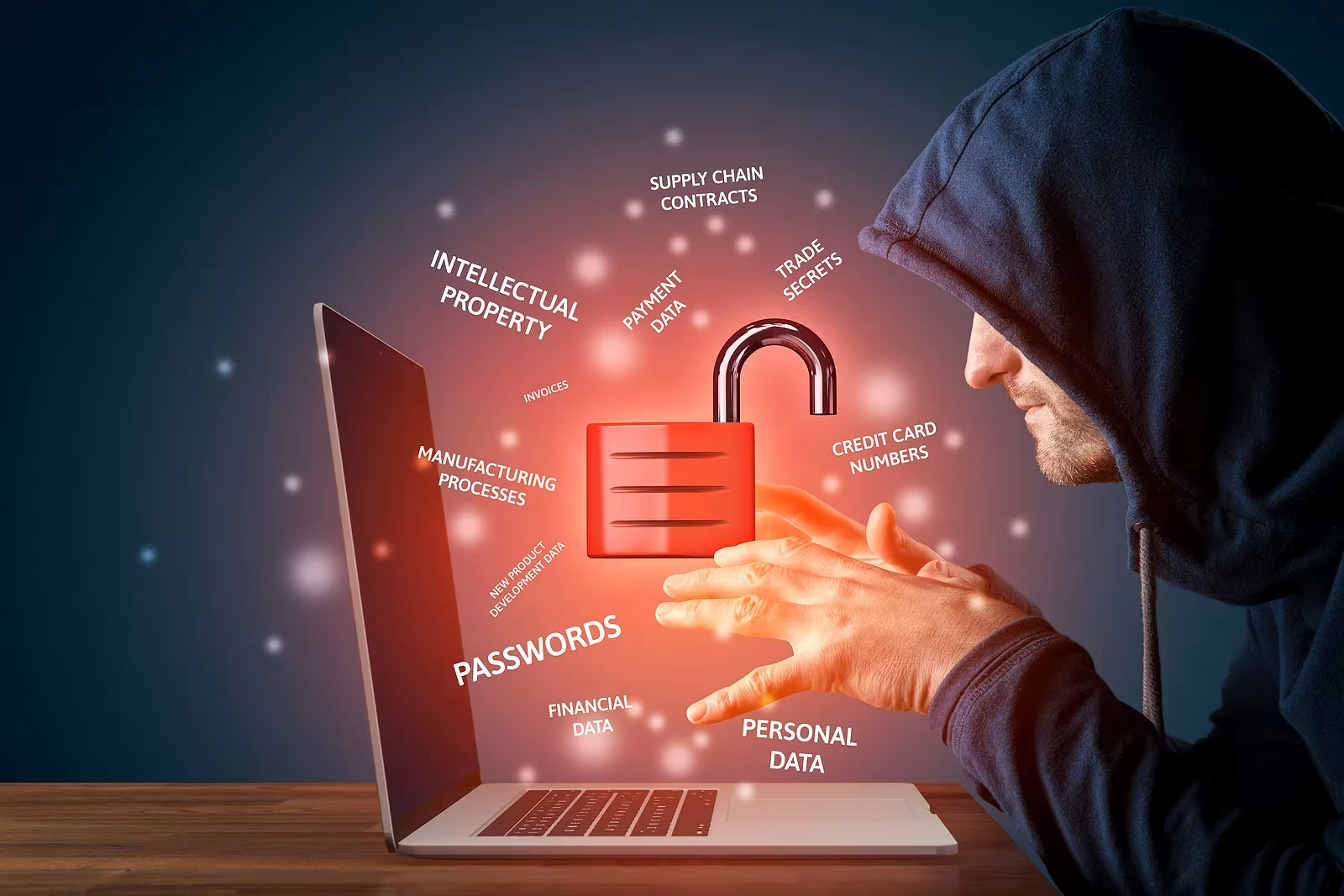
5. Cybersecurity Vulnerabilities
Oversharing can give attackers clues — travel dates, internal systems, new hires, org structures, etc. Employees also fall prey to phishing links disguised as social content.
Risk: Hacks, data loss, and operational disruption.
6. Damage to Workplace Culture
Constant comparison, gossip, and group chats can fuel toxicity, exclusion, and tension between teams.
Risk: Declining morale, reduced productivity, and avoidable staff turnover.
7. Discriminatory Hiring Practices
Using social profiles to judge candidates can lead to unconscious bias or illegal discrimination (age, gender, ethnicity, disability, etc.).
Risk: Claims, lawsuits, and breach of fair hiring standards.
8. Influencer Employees Creating Liability
More workers now run side hustles or influencer accounts. Without clear rules, they may promote products, partners, or opinions that conflict with company policy or ethical guidelines. For example Stormlikes' instagram views - are they legal where you are?
Risk: Compliance issues, FTC breaches, and reputational harm.
9. Inappropriate Use During Work Hours
Scrolling isn’t the only issue — some employees post from work, livestream office environments, or respond to customers unofficially.
Risk: Reduced productivity, inaccurate information, and workflow disruption.
10. Legal Non-Compliance with Industry Regulations
Healthcare, finance, legal services, and government sectors carry strict rules on what can be shared online. Even a well-meaning post can trigger an investigation.
Risk: Regulatory fines, audits, and long-term operational damage.
How Businesses Can Reduce These Risks
To safely navigate the social media landscape, every organisation should:
Implement a clear, enforceable social media policy
Provide annual staff training on acceptable online behaviour
Set rules on confidentiality, disclosure, and brand representation
Monitor for risk signals without breaching privacy
Offer employees guidance, not just restrictions
Social media isn’t going away — so businesses must learn to manage it smartly, proactively, and legally.