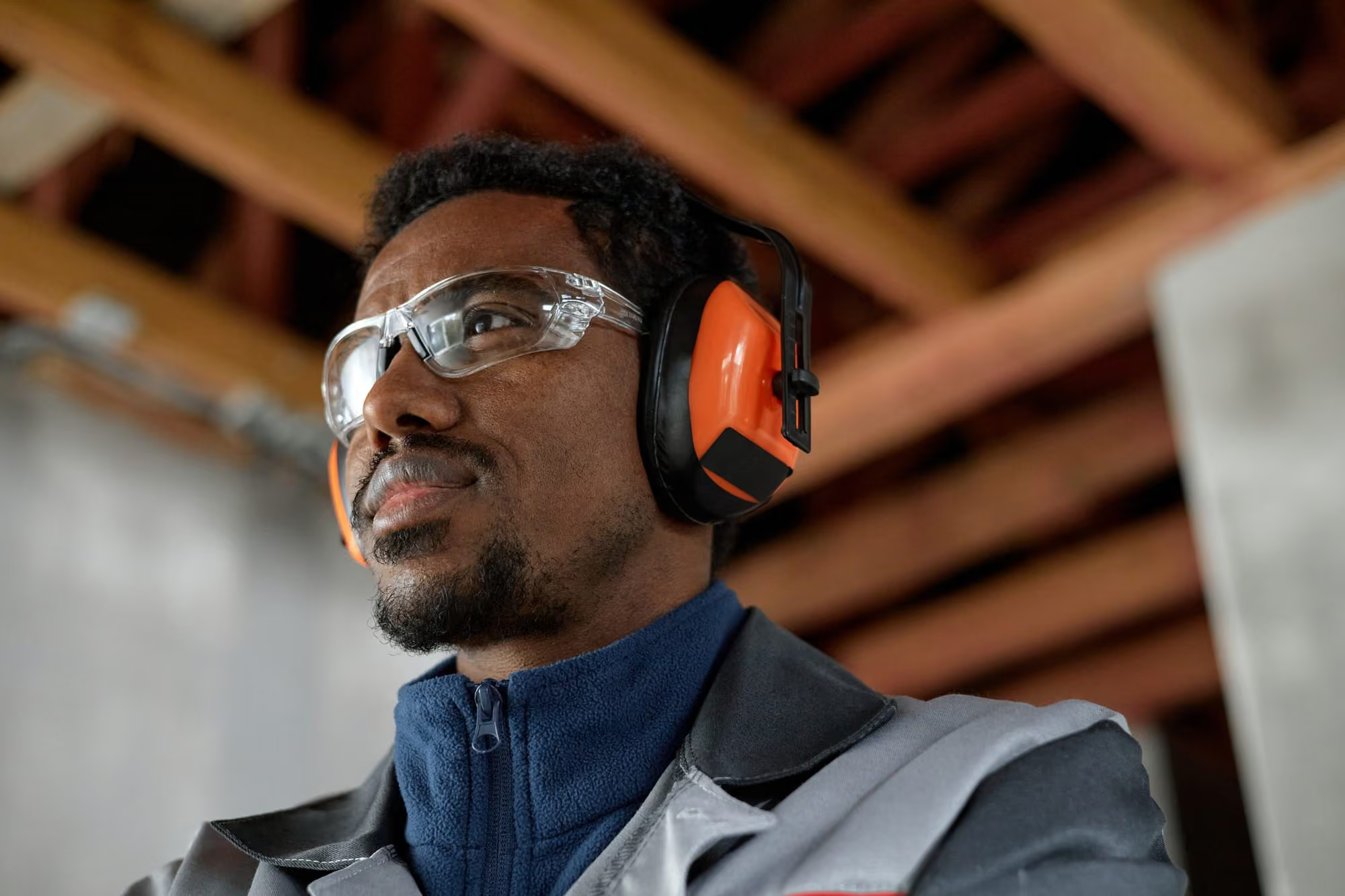

As we move deeper into the AI-driven economy, many traditional industries are quietly experiencing massive growth. While tech often dominates headlines, sectors like industrial parts, precious metals (especially silver), manufacturing logistics, and industrial recycling are expanding rapidly due to supply chain restructuring, energy transition, and geopolitical shifts.
For businesses operating in these sectors, human resources strategy is becoming just as important as operations or sales. Recruiting skilled technicians, managing distributed teams, and integrating automation all require forward-thinking HR systems.
In this article, we’ll explore how HR will evolve for companies positioned to grow in 2026 and beyond, particularly in industrial parts reselling, silver-related industries, manufacturing supply chains, and infrastructure-driven businesses.
Why HR Matters More in the New Industrial Economy
The industrial sectors are undergoing a transformation. Global supply chains are shifting toward reshoring, redundancy, and regional manufacturing hubs. At the same time, demand for materials like silver—used in electronics, solar panels, and AI hardware—is rising rapidly.
These shifts mean businesses must compete for:
● Skilled technicians
● Mechanical engineers
● Logistics specialists
● Sourcing experts
● Digital marketers and automation specialists
Companies that treat HR as an administrative function will struggle. The winners will treat HR as a strategic growth engine.
Modern HR teams must now manage:
● Remote and hybrid technical teams
● Automation and AI integration
● compliance across multiple regions
● knowledge retention in highly specialized industries
HR Challenges in Industrial Parts Businesses
Industrial parts companies—particularly those dealing with surplus equipment, machinery components, or industrial salvage—are seeing significant opportunity.
The challenge is talent.
These companies often require staff who understand:
● Mechanical systems
● Engineering specifications
● Industrial marketplaces
● International shipping logistics
Yet many experienced professionals in these fields are approaching retirement.
To address this, HR departments should focus on:
1. Knowledge Transfer Programs
Senior technicians and buyers often hold decades of knowledge.
Smart companies are:
● Documenting sourcing processes
● Recording training sessions
● Creating internal technical wikis
This prevents valuable knowledge from disappearing when experienced staff retire.
2. Hybrid Technical Teams
Industrial businesses are no longer purely physical.
Modern teams include:
● Warehouse operators
● Digital inventory managers
● SEO specialists
● Automation engineers
● Customer support team
HR must create structures where technical and digital roles work together seamlessly.
For example:
A parts reseller might combine:
● Mechanical inspection teams
● Online listing specialists
● Marketing teams optimizing industrial search traffic
HR Strategy for the Silver Economy
Silver is becoming one of the most strategically important metals in the global economy according to here.
It is critical for:
● Solar panels
● Electric vehicles
● Semiconductor manufacturing
● Advanced electronics
As demand rises, businesses involved in silver trading, recycling, refining, and storage will need specialized HR strategies.
Key roles emerging in the silver sector
● Precious metals analysts
● Recycling specialists
● Industrial sourcing experts
● Compliance officers
● Commodity trading analysts
HR departments must recruit individuals who understand both industrial processes and financial markets.
This crossover talent will become extremely valuable.
Building HR Systems for Industrial Growth
Growing industrial businesses need HR infrastructure that supports scale.
This includes:
Structured hiring pipelines
Instead of hiring reactively, companies should build talent pipelines for roles they know they will need.
Examples:
● Mechanical inspectors
● Warehouse automation specialists
● Procurement managers
● Commodity analysts
Recruiting partnerships with technical colleges and engineering schools can help maintain a steady flow of candidates.
Training for automation
Automation is coming to every industrial sector.
Examples include:
● Robotic warehouse systems
● AI-powered inventory analysis
● Automated sourcing tools
● Predictive maintenance software
HR teams must ensure employees are trained to work alongside automation, not replaced by it.
This requires ongoing learning programs.
HR Technology for Industrial Businesses
Modern HR departments increasingly rely on technology platforms to manage workforce complexity.
Key tools include:
Workforce automation platforms
Automation tools allow HR teams to manage:
● Training
● Scheduling
● Compliance documentation
These systems reduce administrative workload and allow HR leaders to focus on strategy.
CRM and operational automation platforms
Industrial businesses increasingly integrate HR systems with operational platforms such as CRM and automation software.
For example, platforms like GoHighLevel can be used to manage:
● Recruitment funnels
● Onboarding communication
● Employee training workflows
● Internal communications
Forward-thinking businesses are already using CRM-style systems to manage both customers and talent pipelines.
Recruiting in Hard-to-Fill Technical Roles
Industrial industries often face talent shortages.
HR teams must therefore expand beyond traditional recruitment methods.
Practical strategies include
1. Niche online communities
Technical professionals gather in:
● Engineering forums
● LinkedIn industry groups
● Industrial equipment marketplaces
Targeted recruitment here can uncover highly skilled candidates.
2. Apprenticeship programs
Instead of expecting fully trained hires, companies should train their own workforce.
Apprenticeships are making a major comeback, particularly in:
● Machining
● Equipment repair
● Industrial inspection
● Recycling operations
3. Remote specialists
Many industrial companies now employ remote roles such as:
● Technical documentation specialists
● Inventory managers
● Sourcing analysts
This dramatically expands the talent pool.
HR and Supply Chain Resilience
Supply chain disruptions—from geopolitical conflict to energy shortages—are becoming more common.
HR departments now play a role in supply chain resilience by ensuring companies have:
● Cross-trained teams
● Backup sourcing specialists
● Regional operational knowledge
If one region becomes unavailable, trained employees elsewhere can step in.
This flexibility can prevent costly downtime.
Culture in Industrial Businesses
Historically, industrial companies focused heavily on operations rather than culture.
But younger workers increasingly expect:
● Meaningful work
● Clear career progression
● Flexible working options
● Modern workplace technology
Companies that fail to modernize their workplace culture will struggle to recruit younger talent.
HR must help create an environment where:
● Experienced technicians feel respected
● Younger employees see long-term opportunity
The Rise of Industrial Entrepreneurship
Another trend shaping HR strategy is the rise of industrial entrepreneurs.
Many small teams are launching businesses around:
● Industrial parts reselling
● surplus equipment brokerage
● Precious metals recycling
● Specialized manufacturing services
These startups often grow quickly, meaning HR systems must scale early.
Key HR priorities for industrial startups include:
● Hiring versatile early employees
● Establishing compliance procedures
● Documenting operational processes
● Implementing HR software early
Preparing Your HR Strategy for 2026 and Beyond
Businesses operating in industrial sectors are entering a period of significant opportunity.
However, growth will be limited by one critical factor:
Access to skilled people.
Companies that invest in modern HR strategies will gain a major advantage.
Key priorities include:
● Building talent pipelines early
● Combining technical and digital roles
● Investing in automation training
● Creating knowledge-transfer programs
● Modernizing workplace culture
Industries like industrial parts trading, silver production and recycling, and manufacturing supply chains are positioned for strong growth over the next decade.
The businesses that win will not simply have the best products or supply networks.
They will have the best teams.
And building those teams starts with a strong HR strategy.