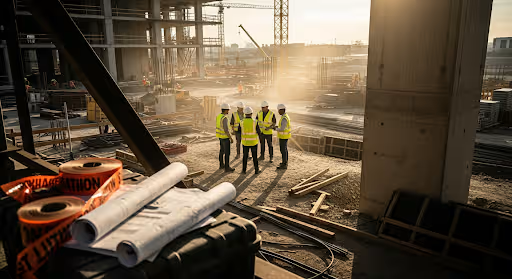
Globally, the construction industry remains one of the most hazardous. In 2023 alone, it recorded over 1,075 fatalities in the U.S., with approximately one in every five workplace deaths occurring on a construction site. For business leaders in Southern Africa, these figures are not just statistics; they represent a profound risk to both human capital and organisational reputation. As construction projects increasingly rely on a complex web of subcontractors and temporary workers, the responsibility for safety falls squarely on the primary contractor's HR and leadership teams. Understanding how to mitigate this risk is critical, especially when the actions of one party can lead to a need for a construction accident lawyer. This guide provides a strategic framework built on three core pillars: rigorous contractor vetting, ironclad contractual agreements, and the creation of a universal safety culture for everyone on site.
A Proactive Framework for Vetting and Onboarding Contractors
The most effective safety strategy begins long before any work commences. For HR leaders, shifting the perspective from reactive problem-solving to proactive risk mitigation is a fundamental requirement for protecting both workers and the organization. This foundational stage involves a meticulous process of evaluating and selecting contracting partners not just for their technical skills or cost-effectiveness, but for their demonstrated commitment to safety. As we at Industrial Psychology Consultants (IPC) have observed, firms that front-load their safety diligence experience fewer incidents, reduced project delays, and a stronger overall risk posture. This approach transforms the onboarding process from a mere administrative checkpoint into a strategic defense mechanism.
Developing a non-negotiable pre-qualification checklist
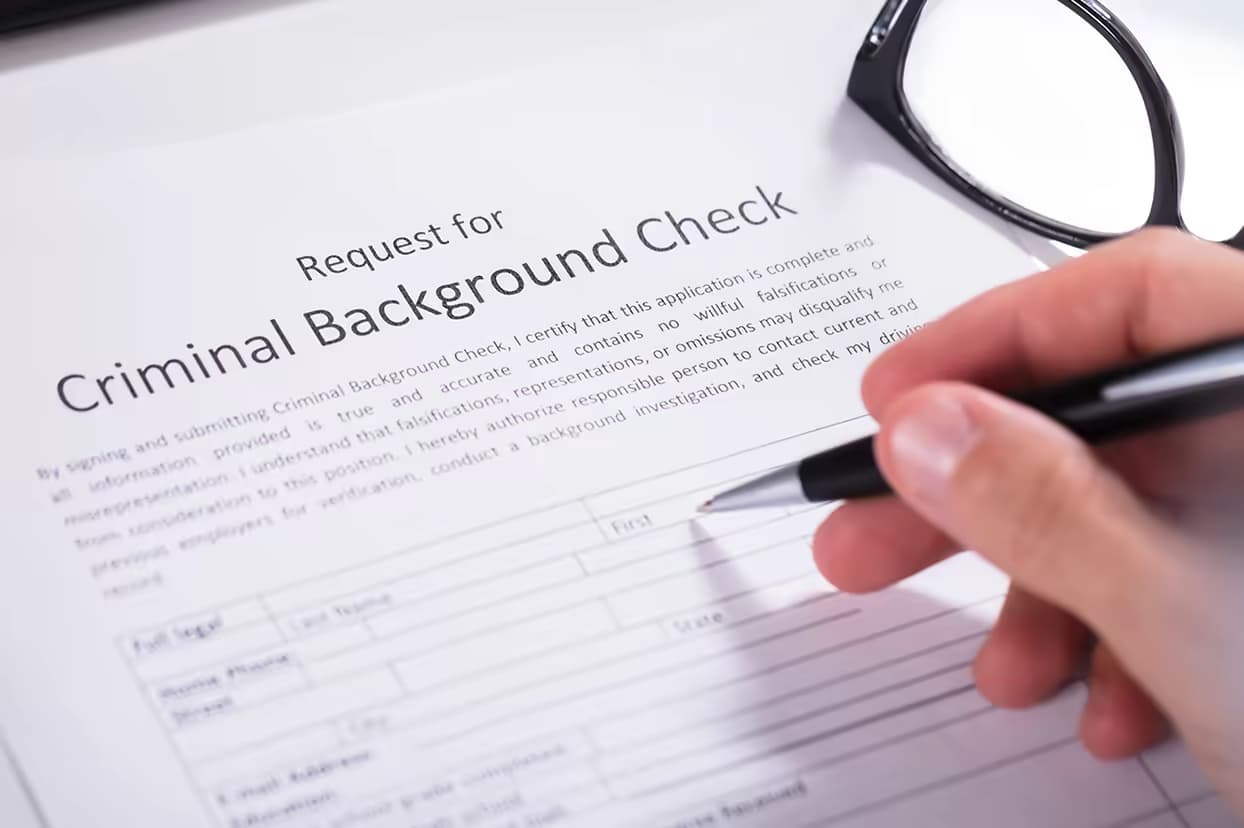
A standardized and non-negotiable pre-qualification checklist is the first line of defense against importing unnecessary risk onto your worksite. This document should serve as a clear gatekeeper, ensuring that any potential partner meets your organization's minimum safety standards before they are even considered for a contract. This is not simply about paperwork; it is a declaration of your company's safety values. A comprehensive checklist must demand verifiable proof of a contractor’s safety history and commitment. Regulators are increasingly levying significant fines for safety violations, as recent news shows contractors facing penalties exceeding $1.2 million for repeat violations, making this due diligence a critical financial imperative.
Safety Policy and Program Documentation: Request and review the contractor's official health and safety manual. This document should be current, comprehensive, and relevant to the scope of work they will be performing.
Incident History and Rates: Require a formal record of all accidents and near-misses from the past three years. Analyze their Total Recordable Incident Rate (TRIR) and compare it against industry benchmarks to gauge their performance.
Proof of Valid Insurance: Verify certificates of insurance, including workers' compensation and general liability coverage. Confirm that the coverage limits are sufficient for the scale and risk level of the project.
Specialized Certifications and Training Records: Confirm that their workers hold the necessary qualifications for specific high-risk tasks (e.g., scaffolding, electrical work, crane operation). This documentation provides assurance of competence.
Regulatory Compliance Record: Check for any past fines or citations from regulatory bodies. Reports of contractors receiving major citations after a fatality or facing fines for continued violations underscore the importance of this step.
The importance of a site-specific safety orientation
Generic safety training is insufficient for the dynamic and unique environment of each construction project. We advocate for a mandatory, site-specific safety orientation for every single individual—from the subcontractor's CEO to their newest apprentice—before they are permitted to begin work. This orientation must go beyond general principles and cover the unique hazards, access points, emergency exits, muster points, and incident reporting procedures for that particular project. A tragic 2023 incident where a fatal floor collapse was attributed to gaps in safety planning and training serves as a stark reminder of the deadly consequences of assumption. Every new site presents new risks, and a tailored orientation ensures that all personnel share a common and accurate understanding of the safety landscape.
Clarifying Roles and Mitigating Liability Through Ironclad Contracts
Once a contractor has been vetted, the next critical step is to codify safety responsibilities within a legally binding agreement. Legal contracts are one of the most powerful tools at an HR leader's disposal for enforcing safety standards and clearly defining liability. Ambiguity in a contract is a direct threat to worker safety and opens the primary contractor to significant legal and financial exposure. By embedding specific, measurable, and enforceable safety clauses into every third-party agreement, organizations can create a framework of accountability that protects everyone on site. This transforms the contract from a simple statement of work into a comprehensive safety covenant between all parties.
Moving beyond standard templates to safety-centric clauses
Standard contract templates often treat safety as an afterthought, using vague language that is difficult to enforce. To truly mitigate risk, HR and legal teams must collaborate to draft clauses that are explicit and outcome-focused. These clauses should clearly articulate safety performance expectations, reporting requirements, and the consequences of non-compliance. The goal is to eliminate any gray area regarding safety duties, ensuring that every contractor understands their obligations from the outset. A weak clause may state that a contractor will comply with the law, while a robust clause will specify which laws and standards apply and outline the penalties for failure to do so, including immediate termination.
Aspect of Contract | Weak Safety Clause (High Risk) | Strong Safety Clause (Low Risk) |
Responsibility | The subcontractor agrees to follow general safety guidelines. | The subcontractor assumes full responsibility for the safety of its employees and must adhere to all safety standards outlined in Appendix A of this contract, as well as all national and local regulations. |
Reporting | Incidents should be reported in a timely manner. | All incidents, including near-misses, must be reported to the site safety manager in writing within one hour of occurrence using the official site incident report form. |
Stop-Work Authority | Vague or unmentioned. | The subcontractor and its employees are granted 'Stop-Work Authority' and are required to halt any activity they deem to be an immediate threat to life or health without fear of reprisal. |
Compliance | The subcontractor will comply with the law. | Failure to comply with any safety protocol outlined herein will be considered a material breach of contract, subject to financial penalties and immediate termination of this agreement. |
Navigating the complexities of multi-party worksite liability
Determining fault when an injury involves multiple contractors is one of the greatest challenges on a construction site. While workers' compensation is typically the primary remedy for an employee injured by their direct employer, the situation becomes far more complex when a third party's negligence is a contributing factor. When an accident is caused by the negligence of a separate contractor, a defective piece of equipment from a manufacturer, or an unsafe condition created by the property owner, the injured worker may have grounds for a third-party claim. These cases are legally complex, as they involve untangling the duties and responsibilities of multiple entities on a single site. Understanding the nuances of these situations is critical, and for those impacted, consulting with an experienced construction accident lawyer can be essential to navigating the process and securing fair compensation for damages beyond what workers' compensation provides.
Forging a Unified Safety Culture Across All Teams in 2026
Ultimately, policies and contracts are rendered meaningless without a consistent, site-wide culture of safety that applies to everyone, regardless of their employer. A unified safety culture ensures that best practices are not just written down but are actively practiced by every person on the job site every day. This requires a deliberate and sustained effort from leadership to break down the silos that naturally form between different contracting teams. The goal is to create a single, high-functioning safety ecosystem where every worker feels responsible not only for their own safety but for the safety of everyone around them. This is the hallmark of a truly mature safety program.
Standardizing safety communication and training
A two-tier safety system—one for direct employees and a less stringent one for contractors—is a recipe for disaster. To create a truly unified culture, all personnel must be integrated into the same safety communication channels and training protocols. This means every worker, whether a direct hire or a subcontractor's employee, must attend the same daily safety briefings (toolbox talks) and receive identical training on high-risk activities relevant to the site. This approach is especially vital given that a recent survey identified coordinating safety across multiple subcontractors as one of the top challenges facing the industry. Standardizing communication ensures that critical safety information is disseminated consistently and eliminates dangerous gaps in knowledge between teams.
The critical role of frontline supervision and enforcement
Managers and supervisors are the ultimate enforcers of the safety culture on the ground. They must be empowered, trained, and held accountable for correcting unsafe behavior from any worker on site, not just their direct reports. This requires a clear mandate from senior leadership that safety overrides contractual boundaries. A site supervisor must have the authority to stop work being performed by a subcontractor if it is deemed unsafe, without fear of creating contractual disputes. This proactive approach is becoming a compliance necessity, as governments globally are moving to legislate special laws to tighten safety rules and strengthen enforcement. Proactive supervision is no longer just a best practice; it is a fundamental component of modern risk management.
Beyond Compliance: Building a Proactive Safety Ecosystem
In conclusion, effectively managing third-party contractor safety in 2026 demands a strategic, multi-faceted approach. The three pillars of proactive vetting, contractual clarity, and a unified safety culture provide a robust framework for HR leaders and executives to follow. This integrated strategy moves beyond mere compliance, creating an environment where safety is a shared value and a collective responsibility. This is not simply about avoiding liability or regulatory fines; it is about fundamentally protecting the organization's most valuable asset—its human capital.
By strategically focusing on these core areas, your organization can move beyond simple compliance and begin to unlock the full potential of its people. This proactive stance on safety is the cornerstone of building better, safer, and more productive workplaces across the region.