Most companies do not fail because the strategy was wrong. They fail because the organisation could not execute the strategy they had — the structure was set up for a previous era, the decision rights were unclear, the culture punished the behaviour the strategy required, and nobody was learning fast enough to close the gap. That is the work of organisational development.
This guide walks through what OD actually is in practice, the levers that matter, and how to tell the difference between work that genuinely improves the organisation and work that just produces nice-looking slides.
What organisational development actually is
Organisational development is the deliberate work of improving how an organisation functions as a whole. It sits at the intersection of strategy, structure, culture and capability. Unlike a single project or initiative, OD takes a system view — recognising that you cannot fix the symptoms without addressing the design that produced them.
In practical terms, OD work tends to fall into four overlapping areas: how the organisation is structured, how it makes decisions, how it learns, and how it changes. The discipline is in seeing how those four interact.
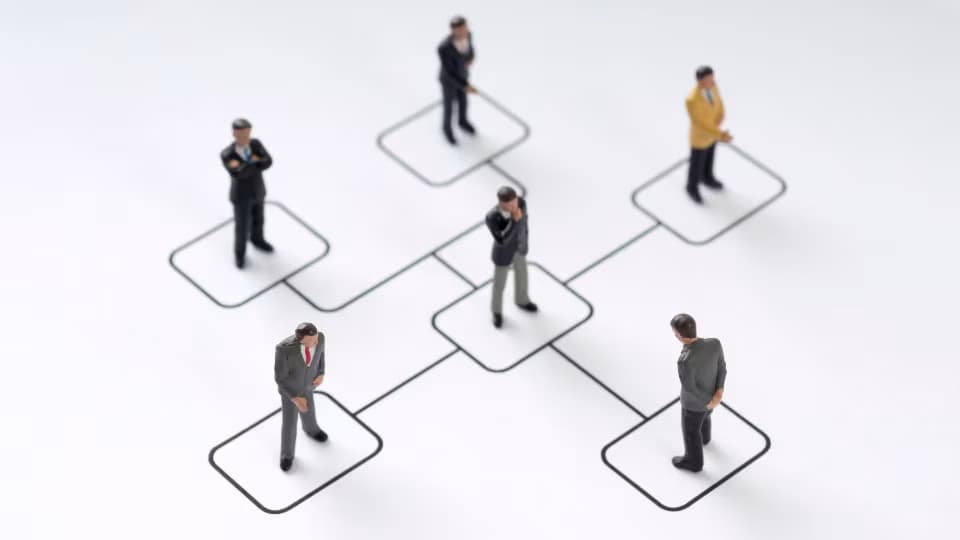
Organisational design is not an org chart
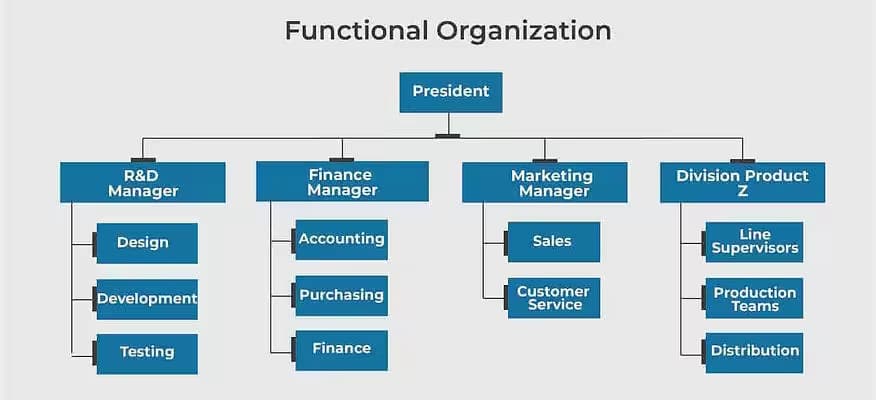
The org chart is the most visible artefact of organisational design, and the least important. The real design questions are:
- Where does each kind of work live? Which capabilities are central, which are embedded in business units, which are outsourced.
- Who decides what? Decision rights, escalation paths, and the speed at which decisions can actually move.
- How do groups depend on each other? The handoffs and shared accountabilities that determine whether the structure flows or stalls.
Centralised, federated, or hybrid
There is no universally right answer. Centralised models give consistency and economies of scale. Federated models give speed and local fit. Most mature organisations end up with a hybrid — and most organisational redesigns are really about rebalancing the mix as the company grows or its strategy shifts.
Spans and layers
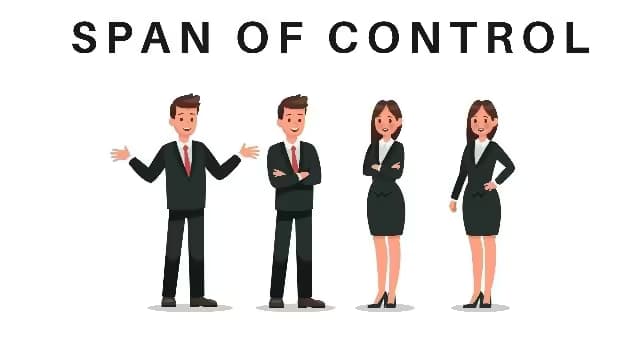
A common design failure is too many layers and too narrow spans of control. This produces slow decisions, expensive middle management, and a workforce that feels distant from the leadership. Most healthy organisations operate with managers carrying 6 to 10 direct reports — fewer for very complex work, more for highly standardised work.
Roles, not titles
A well-designed role has a clear purpose, defined accountabilities, the authority to deliver, and an honest workload. Titles are political; roles are operational. Spend the time on the role design, and let the title catch up.
Culture is built by what you tolerate, not what you say
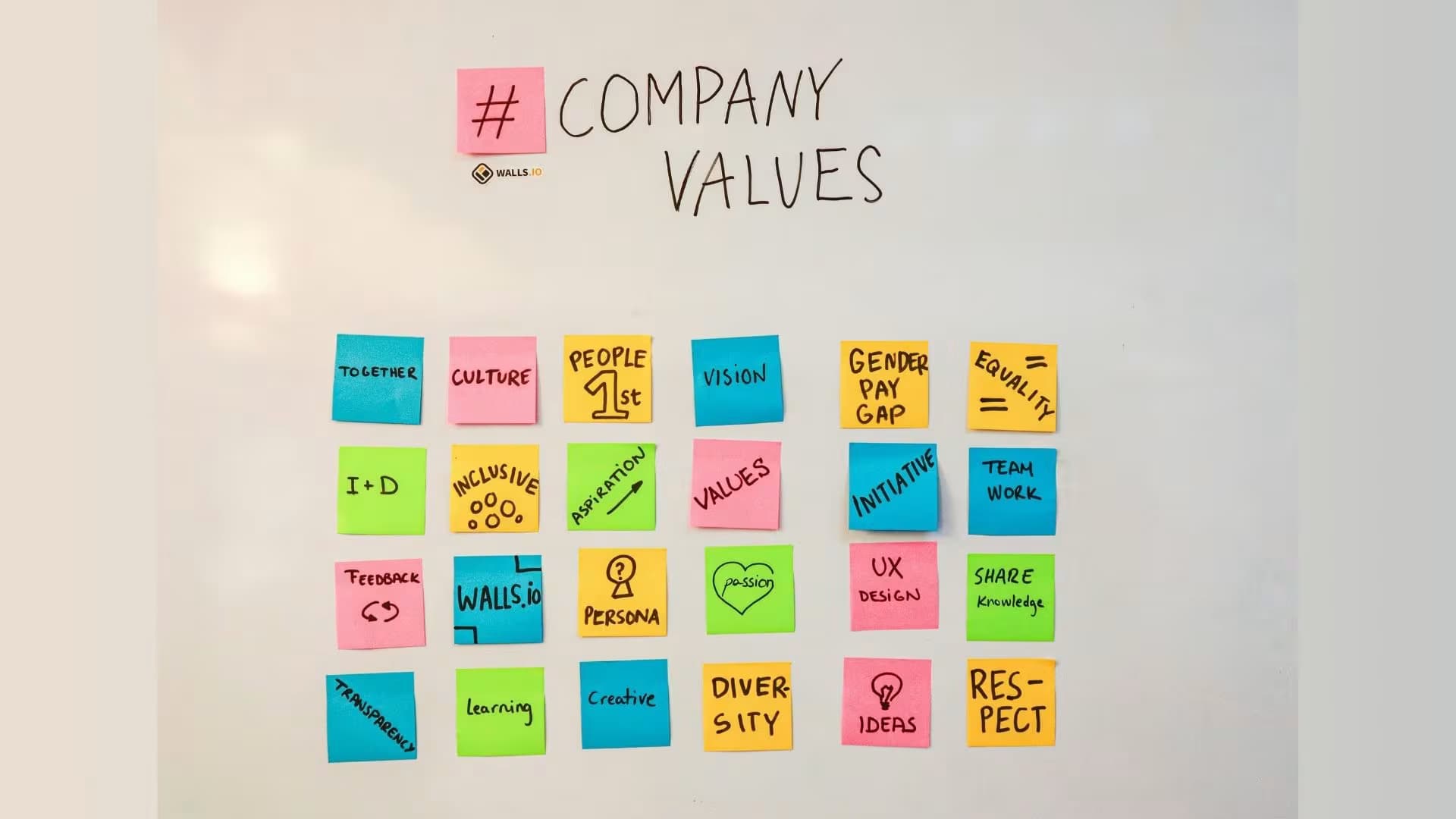
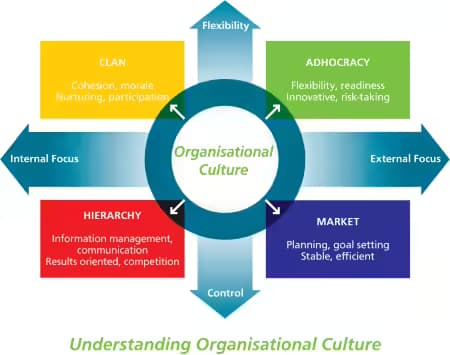
Culture is the most overused word in OD and the most under-defined. A working definition: culture is the set of behaviours that get rewarded and tolerated in your organisation, particularly when nobody is watching. Everything else — values posters, town halls, culture decks — is downstream.
What actually shapes culture
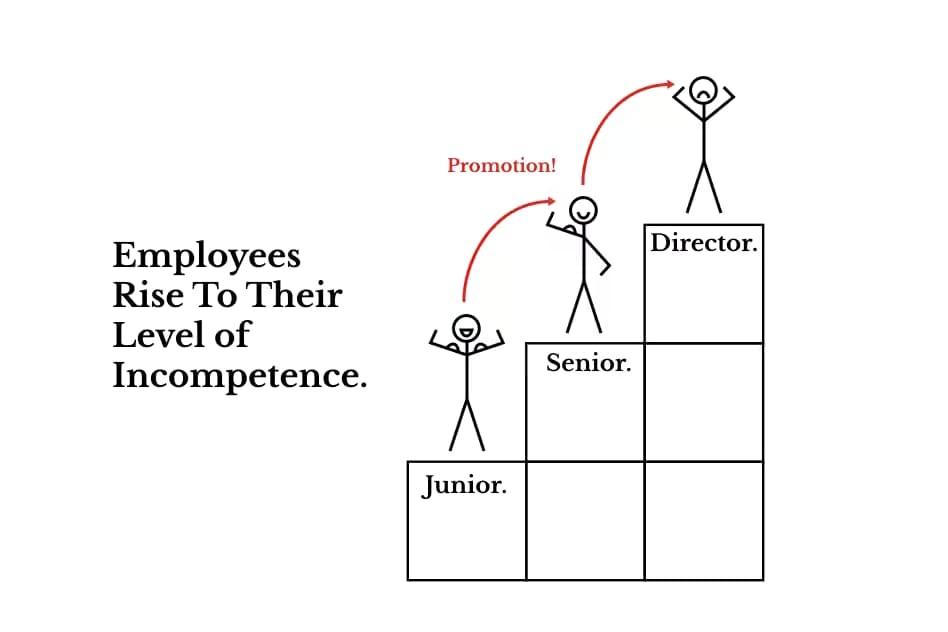
- What gets promoted. People watch who moves up. If your stated value is collaboration but the loudest individualist gets the next big role, your real culture is individualism.
- What gets tolerated. A senior leader who bullies juniors and does not face consequences teaches the whole organisation what is actually allowed.
- How decisions get made. Whether the room argues openly or nods publicly and complains in the parking lot is a culture trait, not a personality trait.
- What gets measured and rewarded. People optimise to whatever metric you make public. Choose carefully.
Culture change is not a poster campaign. It is a multi-year effort to shift those four levers, and the dynamics of why organisational culture change fails are worth studying before the work begins. It requires senior leaders who are willing to change their own behaviour first.
Change management is not optional
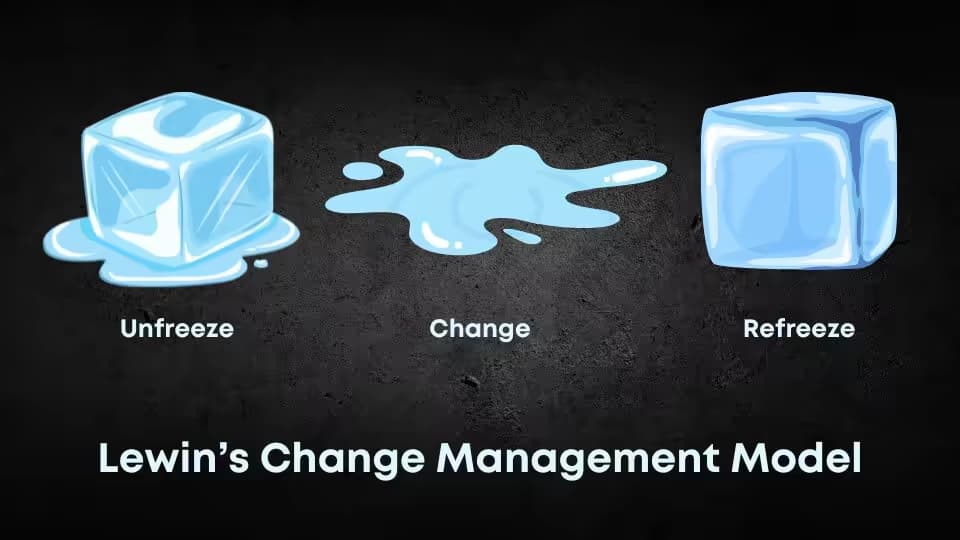
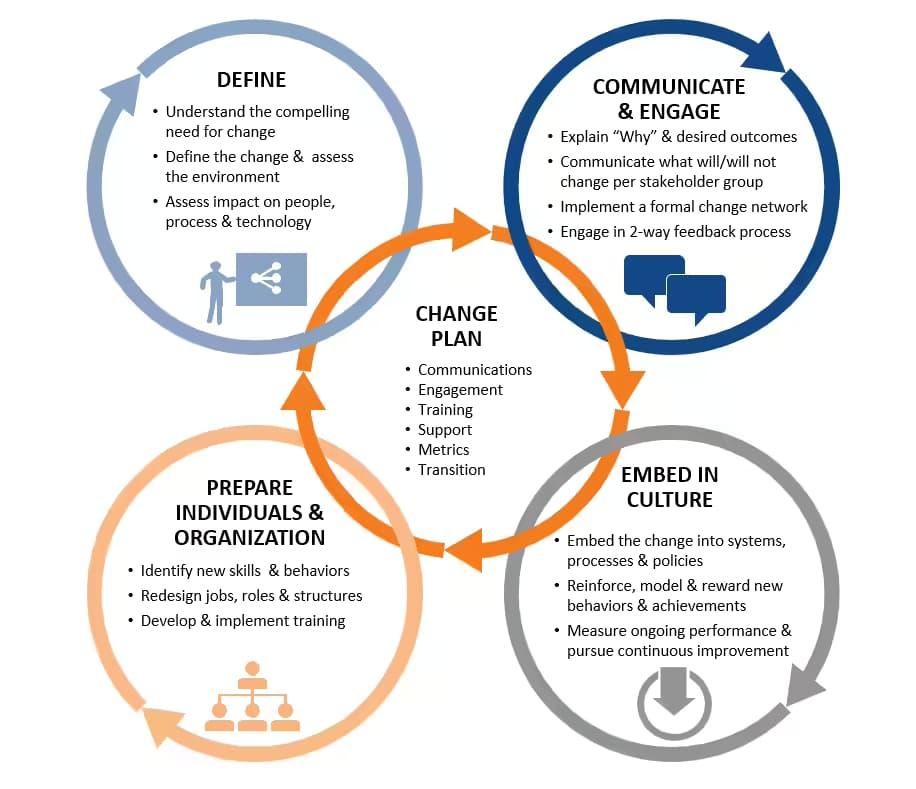
Almost every meaningful OD effort is, at heart, a change effort. New structure, new operating model, new way of working. And almost every change effort underestimates how much work it takes to actually land the change.
The pattern of failed change is almost always the same: the senior team announces the change, assumes that announcement equals adoption, moves on to the next priority, and is then surprised six months later that nothing has stuck — one of the reasons organisational change fails with predictable regularity.
What works instead:
- Over-communicate the why. Once is never enough. Five times is closer.
- Equip the managers in the middle. They are the ones who will land the change, or quietly let it die. Give them the talking points, the FAQs, and the authority to answer real questions.
- Track adoption, not just delivery. A new system that nobody uses is not a successful project, no matter what the project plan says.
- Decommission the old. If the old way still works, the new way will not stick. At some point you have to turn the old system off.
Build a learning organisation, deliberately
Companies that adapt are companies that learn. Not in the sense of training catalogues — in the sense of capturing what just happened, drawing the right conclusions, and adjusting how the work gets done.
Make reflection routine
Project post-mortems, after-action reviews, regular retrospectives — these only work if they are honest, blameless, and result in something actually changing. A learning conversation that produces no change is just a meeting.
Invest in capability, not just compliance
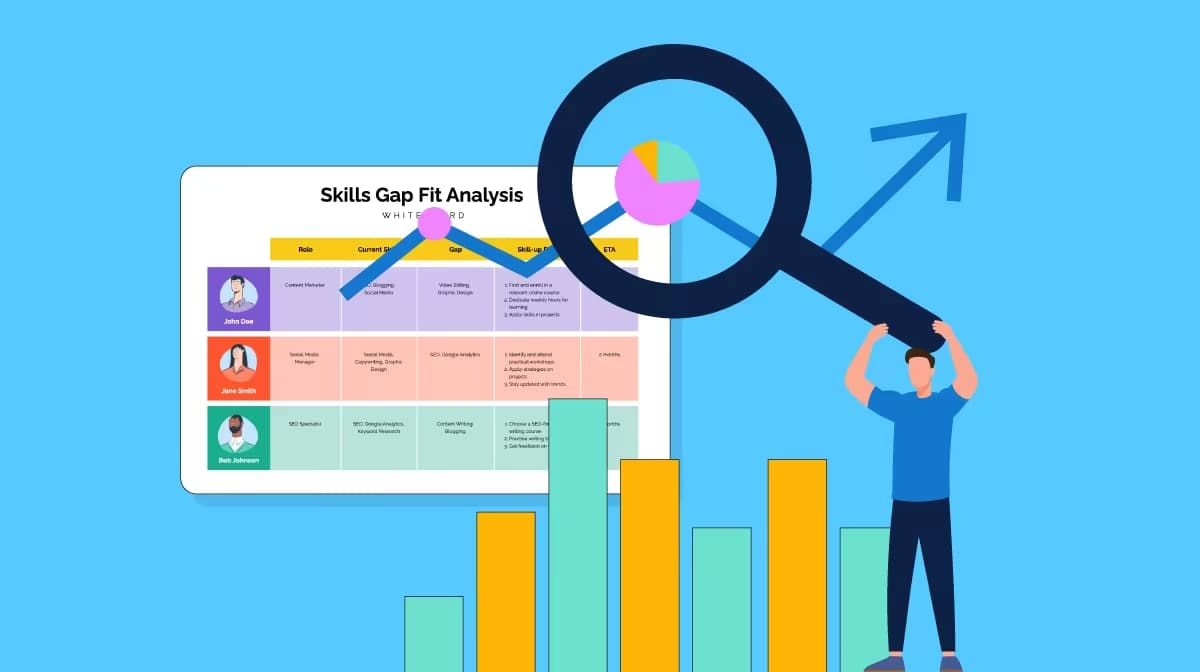
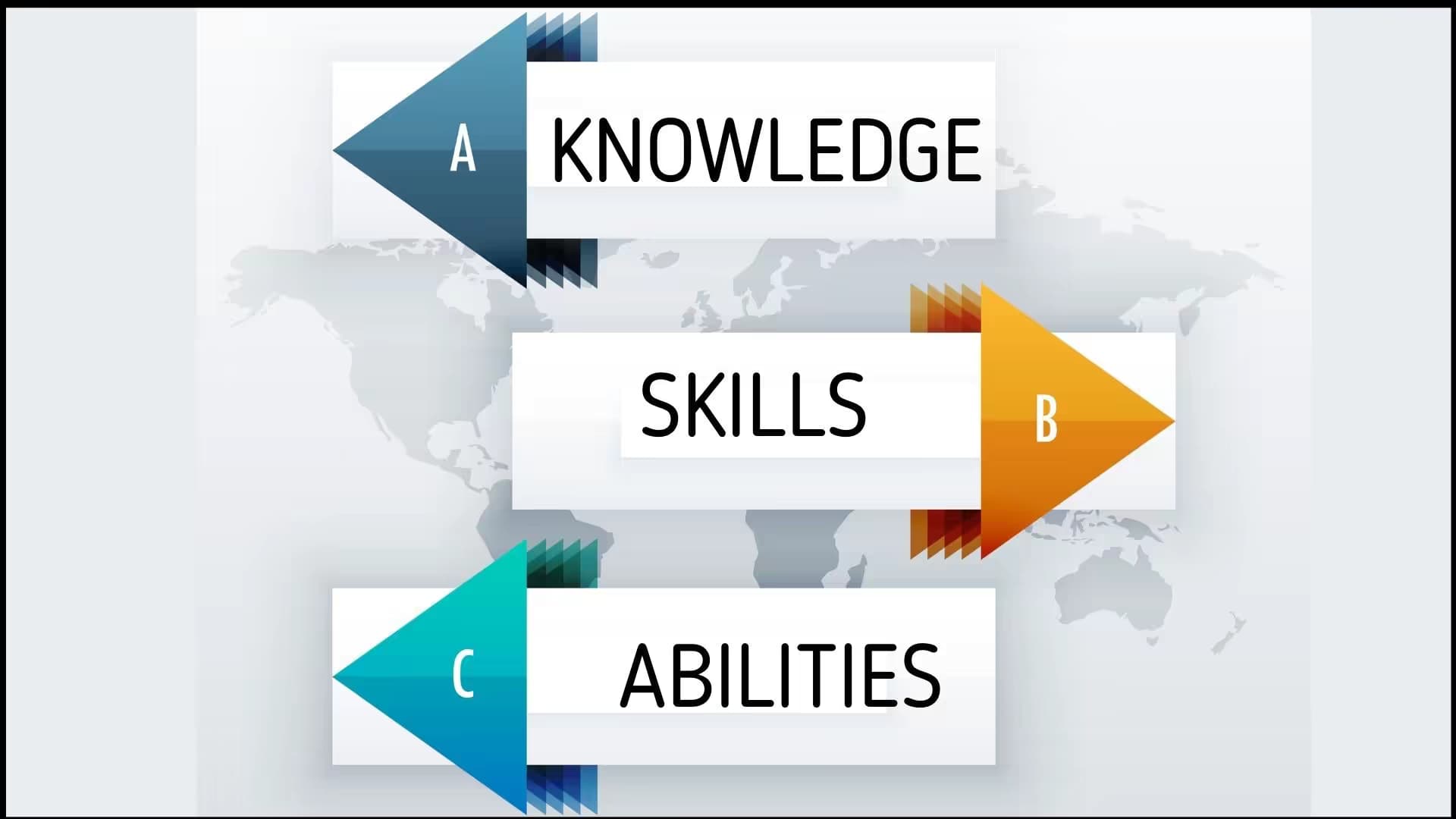
A lot of corporate learning is compliance-driven. Useful learning is capability-driven — building the skills the strategy actually requires, in the people who will use them, with enough practice and feedback to make it stick. The shift from skills gap to skills map is the cleanest framing we have seen for the work.
Move knowledge horizontally
Most organisations are good at moving information up and down. They are poor at moving it sideways — across business units, across functions, across regions. Building deliberate mechanisms for peer-to-peer learning pays off disproportionately.
Diagnose before you intervene
The fastest way to waste an OD budget is to skip the diagnosis. Symptoms are misleading. The team that complains loudly is rarely the team with the deepest problem. The function that looks broken is sometimes just absorbing the dysfunction of another function upstream.
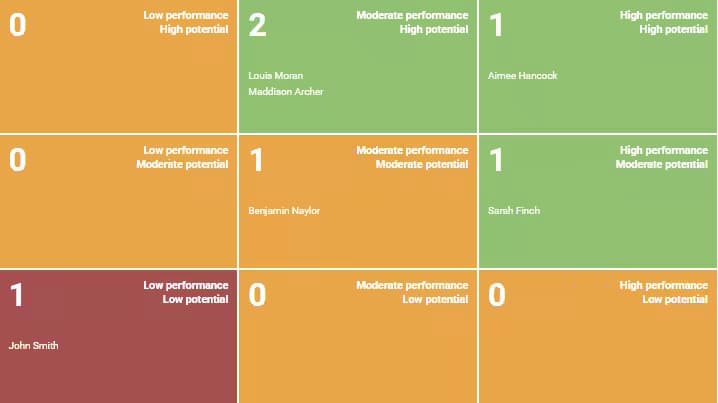
Good OD diagnostics combine quantitative data — engagement scores, turnover, performance distributions, span and layer analysis — with qualitative work — interviews, observation, listening sessions. The goal is to find the root cause before designing the intervention. Otherwise you are running a fix to the wrong problem.
Common organisational development mistakes to avoid
- Treating an org redesign as a chart exercise rather than a redistribution of decision rights — a common failure pattern in organisational design work.
- Launching a culture initiative without changing what gets promoted and tolerated.
- Underestimating the time and energy required to land a change in the middle layers of the organisation.
- Investing in training catalogues instead of capability building tied to actual work.
- Skipping the diagnostic phase because the senior team thinks they already know the problem.
- Outsourcing OD to consultants without senior leaders owning the work themselves.
Where to go next
For the design lever, the comprehensive guide to organizational structure covers the trade-offs you will actually run into when redesigning the operating model.
On culture, examples, types and strategies for organisational culture gives a working vocabulary the senior team can share before launching any intervention.
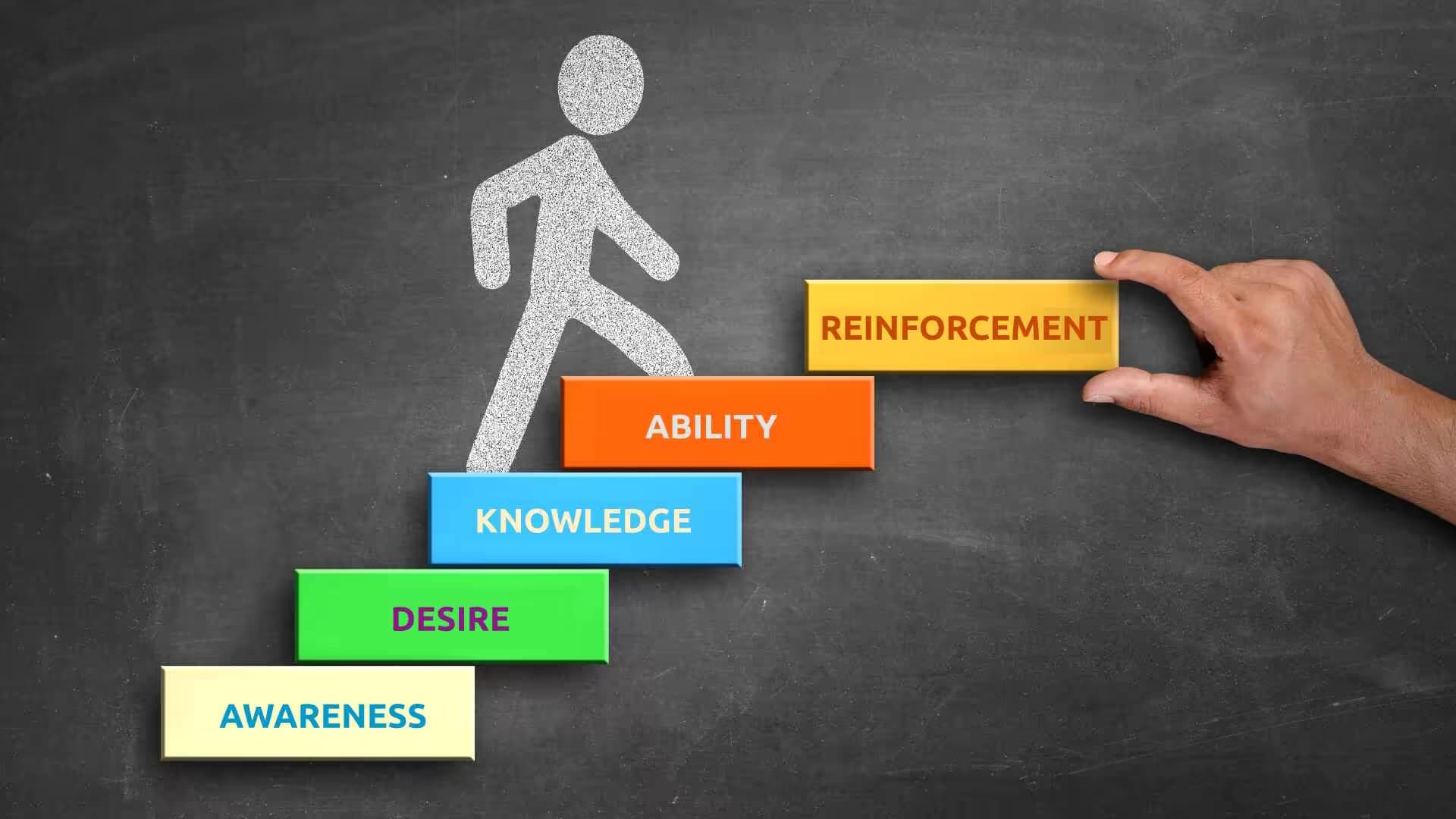
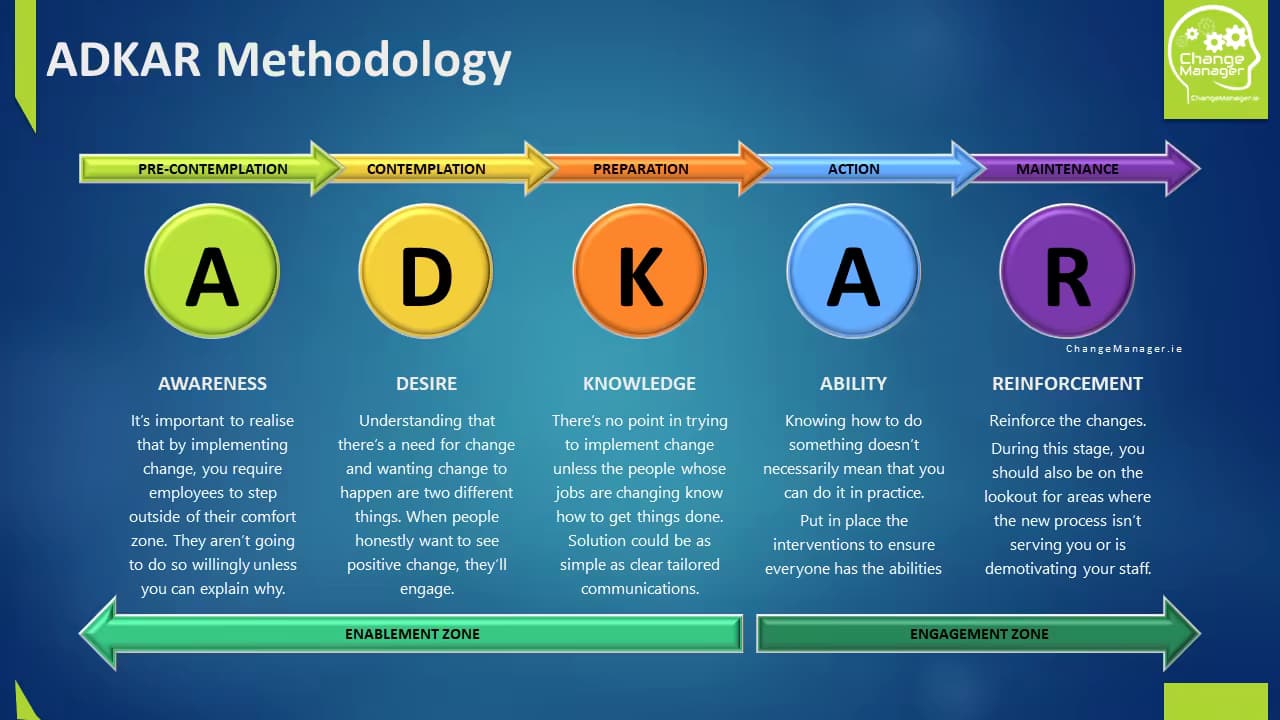
For the change lever, the ADKAR model of change is the framework most often misused and most useful when applied properly.
For the learning lever, the research on organizational citizenship behavior is a reminder that capability is partly about culture, not just curricula.
When you need to put numbers on it, culture analytics is the most useful starting point for measuring whether the OD work is actually moving anything.
Get more guides like this
One email a week with the latest HR guides, frameworks, and templates. Unsubscribe anytime.













































































































































































































































![Employee Onboarding: Complete Guide [2025]](/_next/image?url=https%3A%2F%2Fthehubbackend.com%2Fmedia%2Femployee_onboarding.avif&w=3840&q=75)


















.avif&w=3840&q=75)

.avif&w=3840&q=75)





.avif&w=3840&q=75)








.avif&w=3840&q=75)




.avif&w=3840&q=75)


.avif&w=3840&q=75)








.avif&w=3840&q=75)
.avif&w=3840&q=75)



.avif&w=3840&q=75)

.avif&w=3840&q=75)

.avif&w=3840&q=75)




.avif&w=3840&q=75)

.avif&w=3840&q=75)








.avif&w=3840&q=75)
.avif&w=3840&q=75)

.avif&w=3840&q=75)







.avif&w=3840&q=75)







.avif&w=3840&q=75)