HR technology purchases have a peculiar pattern. The buying process is intense — demos, RFPs, board approvals — and then the implementation goes quiet, the launch is muted, and two years later half the modules are unused and the team has gone back to the spreadsheets they were supposed to retire. This pattern is so common that it should be the default assumption, and the real question is what to do differently to avoid it.
This guide is about avoiding that fate. It covers the shape of the modern HR tech stack, the realities of selection and implementation, the discipline of driving adoption, and how to measure whether the technology actually paid off.
The HR tech stack, in plain terms
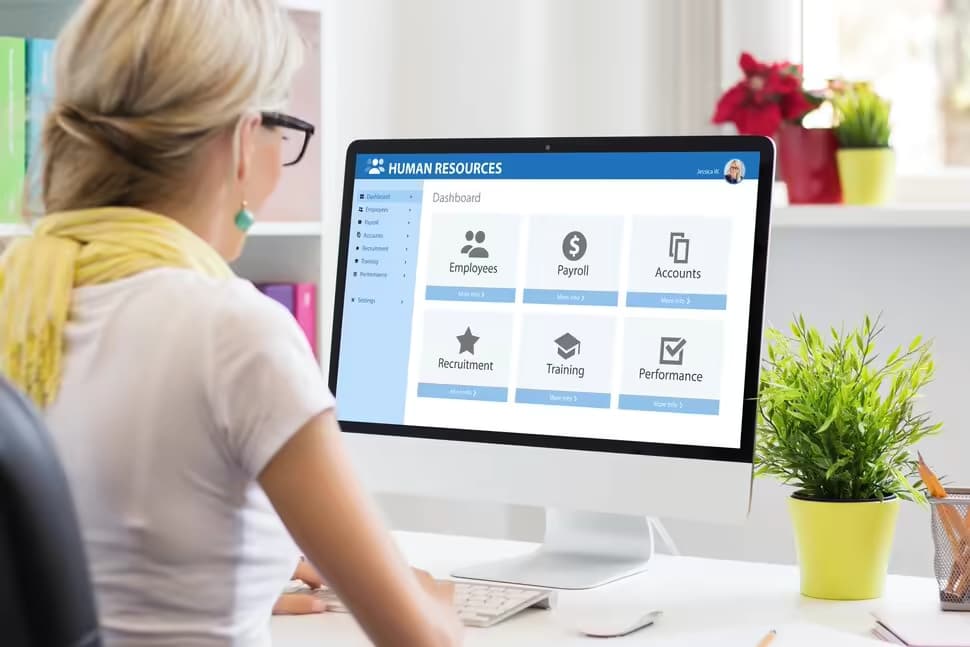
The HR technology landscape has expanded into dozens of categories, but most organisations need to think clearly about a core set:
- HRIS (Human Resources Information System). The system of record for employee data — who works here, in what role, on what terms. Everything else integrates with this, as covered in our small business HRIS software guide.
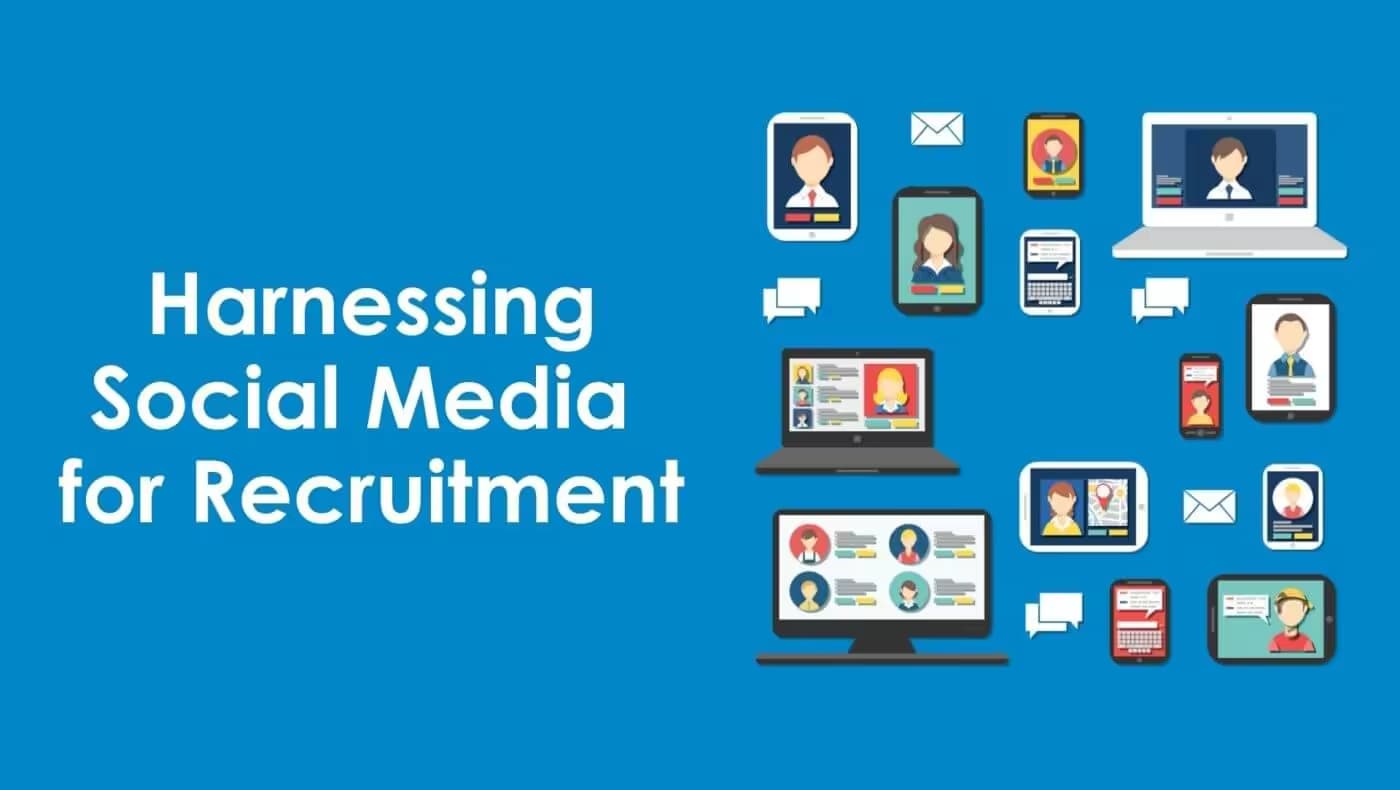
- ATS (Applicant Tracking System). Manages the hiring funnel, from job posting to offer. Should integrate with the HRIS so new hires flow through cleanly — though applicant tracking systems are not selection systems, and that confusion is its own source of bad hires.
- Payroll. Calculates and pays salaries, manages tax and statutory deductions, produces compliance reporting. Often the most regulated piece of the stack.
- Performance management. Goals, check-ins, reviews, calibration. Increasingly integrated with learning.
- Learning management (LMS). Hosts and tracks training, certifications, and increasingly informal learning content.
- People analytics. Pulls data from across the stack and turns it into insights — workforce planning, attrition risk, pay equity, productivity.
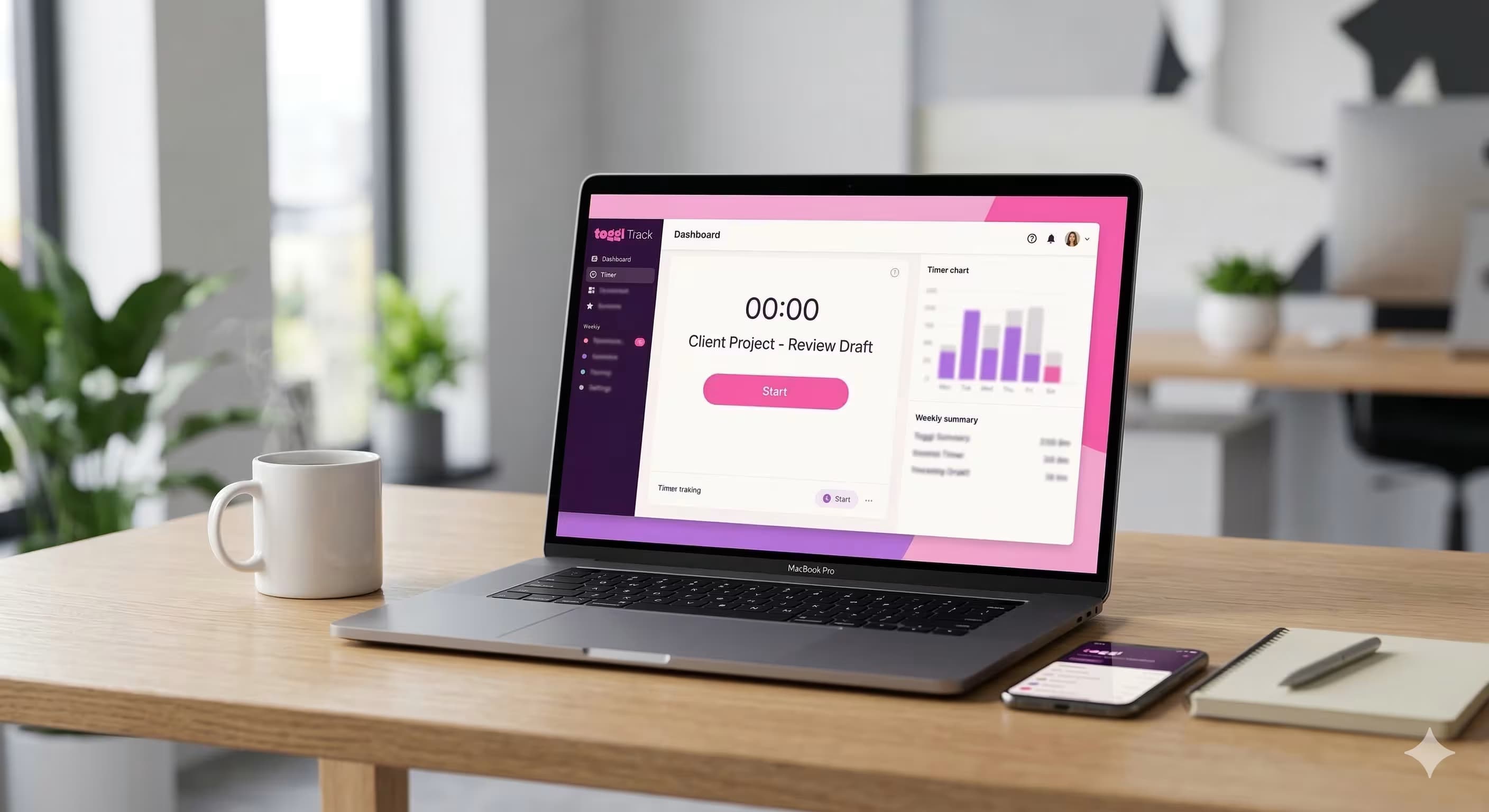
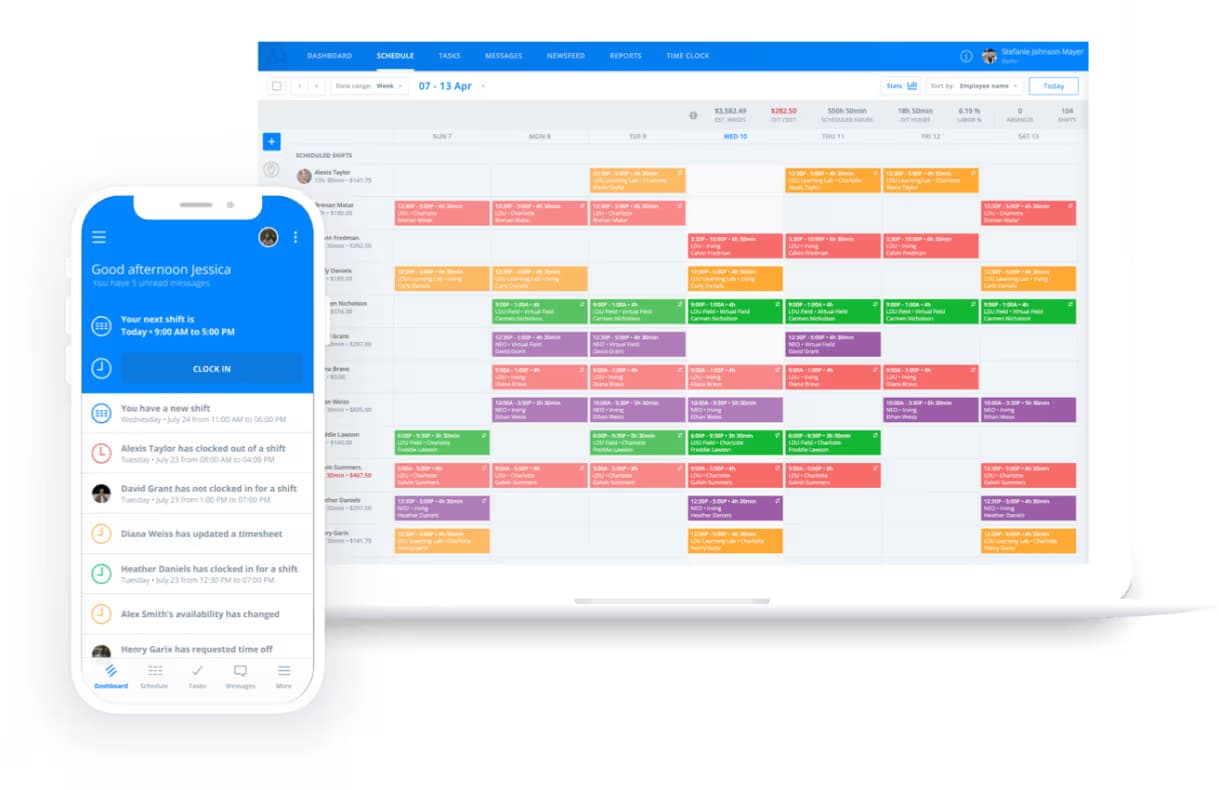
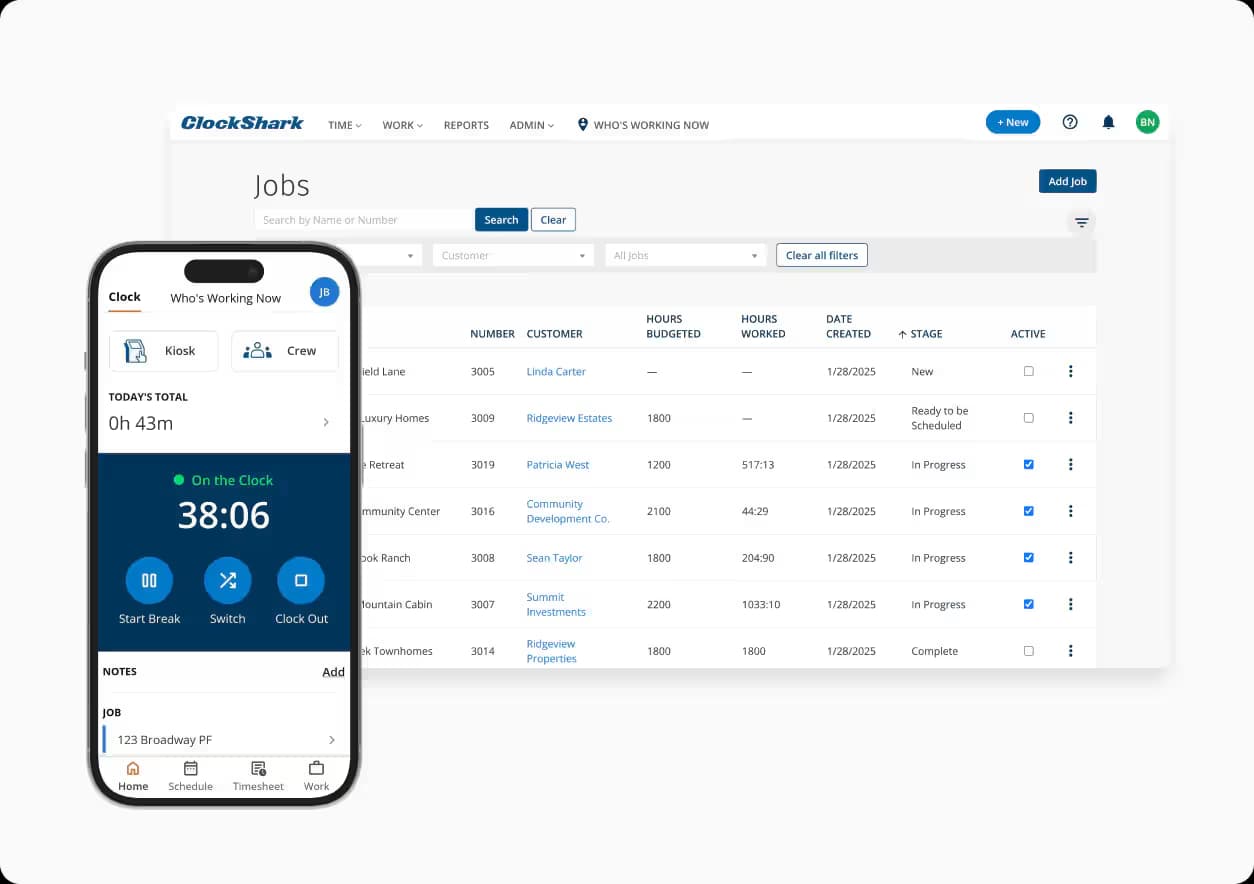
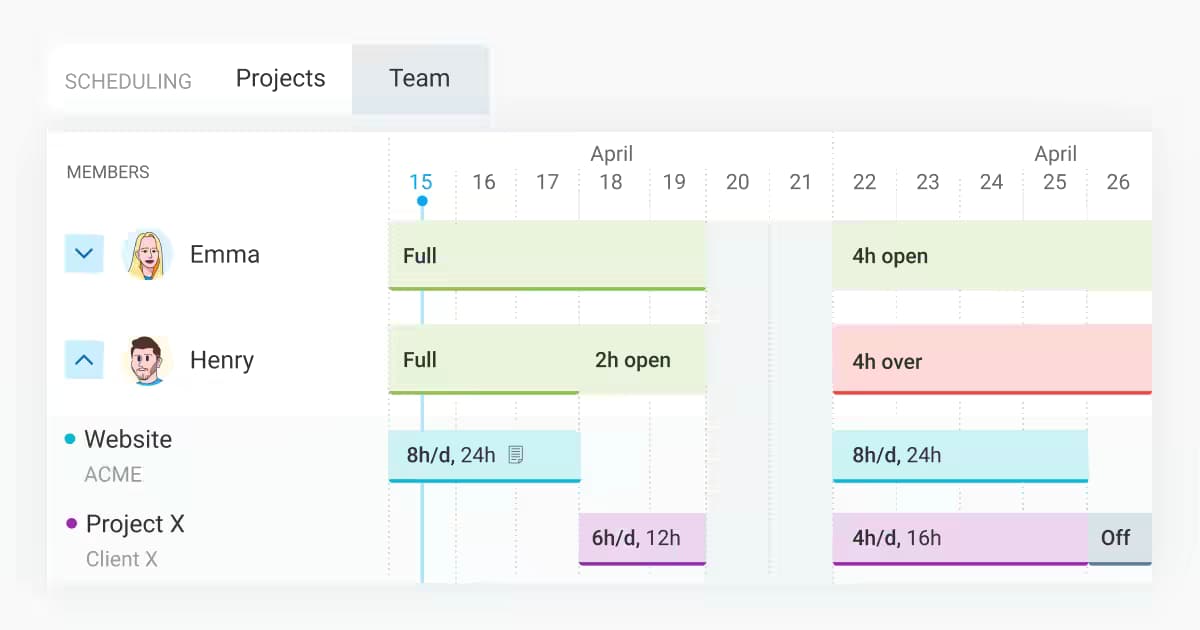
Around this core sit specialist tools — engagement surveys, recognition platforms, scheduling, time tracking, contractor management, employee assistance — that may or may not need to integrate, depending on how central they are to the workflow.
Build, buy, or configure
The build-versus-buy debate in HR tech is mostly settled: buy. Building HR systems from scratch almost never makes sense, because the regulatory complexity, integration burden, and ongoing maintenance dwarf any perceived advantage of customisation.
The real question is how heavily you configure or extend the system you buy. The pattern that works:
- Adopt the vendor's process by default. If the system has a standard way of running performance reviews, use it. Most "we are different" arguments do not survive contact with reality, and customisation is what makes upgrades painful.
- Configure where your business genuinely differs. Some processes really are non-standard, and configuration is what the system is designed for.
- Avoid heavy customisation. Custom code, custom workflows that bypass the platform, deep modifications — these are the things that turn a five-year platform into a five-year migration.
Selection criteria that actually matter
Most HR tech selections weight the wrong things. The shiny demo, the impressive client list, the analyst quadrant. The criteria that predict success after go-live are quieter:
Functional fit, but only for the things you actually do
Score the system against your real processes, not against an exhaustive feature list. A platform with 90 percent of the features and 100 percent of your top 20 use cases beats a platform that wins on feature count but is awkward where it matters — a framing we apply across our roundups of the top HR software for human resources teams.
Implementation partner quality
The software is half the story. The people implementing it are the other half. Ask for the actual consultants you will get — not the sales engineers in the demo. Ask for references from clients of similar size and complexity, and ask those references what went wrong, not what went right.
Total cost over five years
Licence cost is the visible iceberg tip. Implementation, integration, internal headcount, ongoing configuration changes, training, and the inevitable additional modules add up to several times the licence over five years. Build a real five-year total cost of ownership and compare against that, not against the per-user-per-month sticker.
Roadmap and viability
Vendors get acquired, change direction, or quietly stop investing in modules. Look at how aggressively the vendor is investing in the products you care about, and how often their roadmap promises actually ship.
Implementation reality
The honest truth about HR tech implementation: it is harder than the vendor says, more political than the project plan suggests, and more dependent on data quality than anyone wants to admit. The recurring failure modes are documented in our piece on common HRIS integration challenges.
Data is the long pole
The single most common cause of implementation slippage is dirty source data. Inconsistent job titles, missing manager relationships, fragmented historical records — all of it has to be cleaned before it can be migrated, and the cleaning takes longer than the migration. Start data cleansing before you sign the contract, not after.
Process before configuration
Configuring a new system to mirror your existing broken process gives you the same broken process, faster. The implementation is the right moment to redesign the underlying process — but only if you make it an explicit workstream, not a side effect.
Parallel runs and cutovers
Payroll, time and attendance, and benefits administration usually need parallel runs — running old and new in tandem for a period — before full cutover. Skipping or shortening this stage is the most reliable way to land a botched go-live.
Adoption is where value is won or lost
A perfectly implemented system that nobody uses is a failed project. Adoption is not a launch event; it is a sustained discipline that runs for at least 12 months after go-live.
Manager enablement first
Most HR tech is used through managers. If managers find the system clunky, employees never see the value. Invest disproportionately in manager training, manager-facing job aids, and a working feedback loop where managers can report problems and see them addressed — the work we cover under using technology to enhance onboarding applies the same logic to the first 90 days.
Decommission alternatives
If employees can still use the old form, the old spreadsheet, or the old email workflow, many of them will. Turn the alternatives off, on a date communicated in advance, with the system genuinely ready.
Measure usage, not just go-live
Module-by-module usage data tells you whether the system is alive or dying. A module with declining usage three months after launch needs an intervention now, not at the next annual review.
Measure ROI honestly
ROI in HR tech is real but rarely measured well. The mistake is to claim soft, unmeasurable benefits that no one can verify. Pick measurable ones and track them, alongside the workflow gains that automating HR tends to deliver first.
Useful measures: hours saved on routine HR transactions, time-to-hire reduction, payroll accuracy, manager self-service usage rates, data quality metrics, employee experience scores on the relevant moments. None of these are perfect, but together they tell an honest story.
Common HR technology mistakes to avoid
- Buying based on the demo rather than on validated fit with your real processes.
- Underinvesting in data cleansing and assuming it will sort itself during migration.
- Customising heavily, then being unable to take vendor upgrades for years.
- Treating go-live as the finish line instead of the beginning of adoption work.
- Failing to decommission the workarounds the new system was supposed to replace.
- Measuring the project by milestones delivered rather than business value realised.
Where to go next
If you are deciding what to buy first, the HR tech stack employers need to know sketches the order in which most companies should assemble the core systems.
For the strategic frame around any major implementation, our step-by-step guide to HR digital transformation covers the work either side of the project plan.
To track where the market is heading, human resources technology trends is updated for the patterns shaping vendor roadmaps.
For the AI conversation specifically, artificial intelligence for HR covers the cases where AI genuinely helps and the cases where it just adds noise.
When it is time to compare vendors, best HR software for small businesses is the practical shortlist most teams should start with.
Get more guides like this
One email a week with the latest HR guides, frameworks, and templates. Unsubscribe anytime.






























































































.avif&w=3840&q=75)



.avif&w=3840&q=75)
.avif&w=3840&q=75)