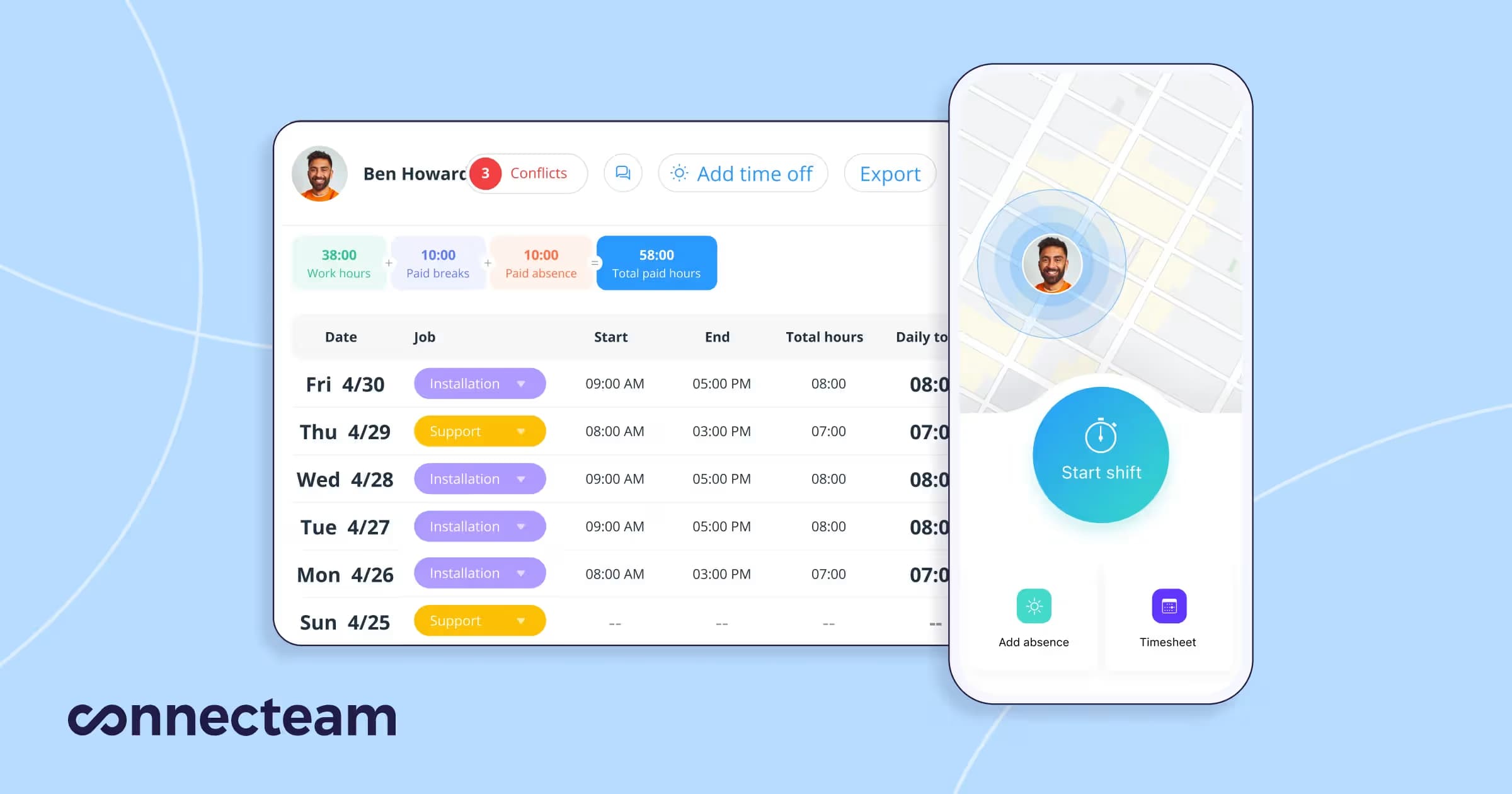
We’ve all been there: you desperately need an old payslip, you want to submit a simple holiday request, or you just need to update your new address, and suddenly you’re clicking through three separate systems. It's frustrating, right? The reality is, too many companies still rely on a messy patchwork of disconnected tools for hiring, payroll, and performance, which inevitably creates chaos, errors, and unnecessary administrative costs. An integrated HR platform is the decisive, smart fix. By bringing all core HR tasks together into one single location, you eliminate duplication, drastically reduce errors, and give every employee the smoother, more professional experience they absolutely deserve. Solutions like a HiBob integration are hugely popular because they immediately connect essential HR data with payroll, time tracking, and other core systems, ensuring updates flow automatically instead of having to be typed in manually.
The true cost of operational chaos
Look, when essential systems don't talk to each other, someone usually your team is forced to pick up the slack. This results in a messy workflow where employees are constantly context-switching, logging in and out of multiple portals, struggling to remember different passwords, and tediously filling in the same basic information again and again. It is slow, deeply annoying, and instantly sends the message that your internal business processes aren't organized. Let's be honest, in a tight job market, this kind of chaotic workflow can absolutely influence retention.
This is exactly where the massive frustration hits its peak. Your HR teams feel this pressure cooker even more acutely. They end up spending countless hours on manual data entry, checking and cross-referencing information across disconnected tools, correcting recurring mistakes, and chasing paper forms that should have been automated years ago. Every simple change, from a contract amendment to a marital status update, has to be entered into two or three different databases. This constant, repetitive chore dramatically increases the chance of errors and wastes precious time that should be spent on strategic work the work that actually grows the company. That cumulative mental load and wasted time often called "shadow admin" is the hidden, insidious tax of fragmented systems.
The power of 'one source of truth' for the workforce
An integrated platform immediately solves this structural headache by establishing one single, central, and reliable source for all employee data. For the workforce, this is a major upgrade that simply feels fast and modern. Think about it: new hires no longer receive a chaotic pile of paper forms and multiple logins on day one. Instead, they get a single, welcoming portal where they can seamlessly complete their onboarding, read company policies, join benefits programs, sign documents, and access initial training materials. Existing employees can instantly view and download payslips, tax documents, holiday balances, performance notes, and learning resources without logging out. The whole experience feels simple, fast, professional, and trustworthy, which hugely boosts engagement right from the start. Plus, employee self-service cuts down significantly on the simple queries that usually flood the HR team's inbox.
Ending the paper chase: transforming HR operations
The operational benefits for the HR department are just as profound. By systematically connecting recruitment, payroll, time tracking, leave management, and performance, the unified platform mercilessly cuts out mountains of repetitive, manual tasks. Critical, high-volume processes such as onboarding new hires, generating initial contracts, setting up role provisioning, and calculating complex leave accruals now run automatically in the background, untouched by human hands. A great example is the integrated setup between your HR system and payroll: any change approved by a manager in the HR system flows straight into payroll without the need for a single email or spreadsheet export. This removes manual work, prevents reconciliation errors, and ensures compliance with complex local tax and labor laws because the system manages the rules. Audits become faster, cheaper, and far less disruptive because all necessary documentation and data history is consistent, verified, and centralized ready to go at a moment's notice.
From transactional burden to strategic talent development
Here’s the real kicker: the biggest strategic gain from integrated HR technology is the fundamental shift in how your HR professionals spend their working hours. When their day is no longer consumed by fixing payroll errors, chasing timesheets, or reconciling mismatched spreadsheets, HR can finally focus on the stuff that matters: strategic talent development, enhancing employee engagement, culture building, managing training programs, and data-driven workforce planning.
This sudden capacity allows your team to tackle crucial, high-value projects that always got pushed aside when things were chaotic. For instance, running a proper salary survey to ensure the company remains competitive in the market suddenly becomes possible again. Integrated platforms provide the accurate, real-time compensation data needed to run detailed internal and external benchmarking, giving HR the hard evidence they need to justify salary bands and strengthen retention strategies. This operational upgrade transforms HR from a reactive, transactional department into an essential, strategic business partner. They gain the time and the reliable insight needed to proactively build a motivated, high-performing workforce a team that’s truly ready for whatever the future throws at it.
The hidden expenses of disconnected systems
Finally, you can't overlook the long-term, hidden financial costs of maintaining a fragmented HR ecosystem. Disconnected systems often require you to buy multiple software licenses, they lead to inflated IT support costs due to complicated integration failures, and they force the organization to pay higher compliance fees due to frequent data errors and resulting fines. Furthermore, having decentralized data in multiple places creates massive security vulnerabilities, significantly increasing the risk of data breaches and non-compliance with regulations like GDPR. An integrated system, while requiring an initial investment, completely streamlines the entire technology stack, reduces overall licensing complexity, and ensures that sensitive employee data is secured and processed via unified, verifiable protocols. This transition turns administrative overhead from a recurring cost liability into a valuable strategic asset.