In corporate spaces today, it is becoming more complex to manage teams than it was some years ago. Older HR systems cannot keep up with the pace of remote schedules, hybrid work, distributed hiring, and rapid project cycles.
These days, fast communication, clarity, fair evaluation, and consistent support are some of the things employees need to be effective and productive. Managers, too, have to keep up with these changes; they need to be able to track goals in real time and carry out continuous improvement instead of the once-a-year assessments companies were used to.
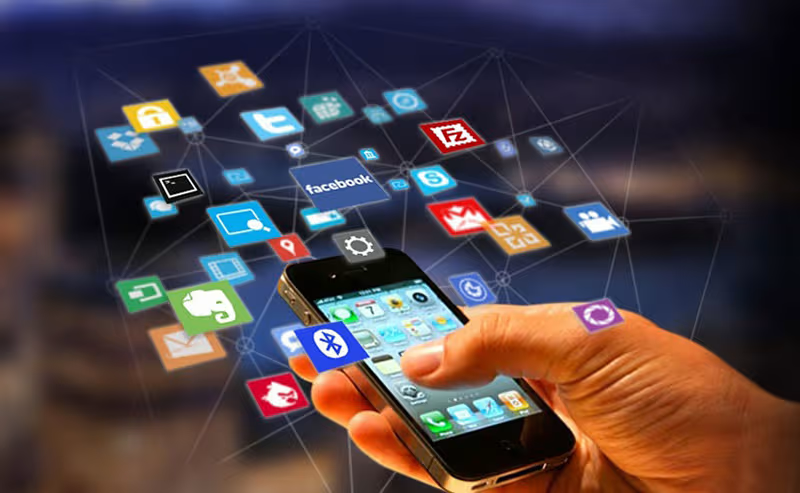
Mobile workforce technology can solve these issues way better than traditional systems. This is because these applications are designed to fit directly into the daily workflow. These tools are flexible and accessible since employees already have their phones with them.
For instance, a workforce management app can give managers quick access to team data, real-time communication, and more. In this article, we’ll discuss in detail how launching mobile solutions transforms employee engagement and performance.
Key Ways Mobile Apps Improve Employee Performance
In the past, performance management was carried out during quarterly or annual reviews. As effective as these reviews are, they tend to miss key performance indicators.
Also, they can weaken employee engagement. Employees who receive frequent, meaningful feedback are more likely to be more productive and satisfied than those who don’t.
Since mobile apps provide continuous and realistic feedback, they cover these loopholes that traditional performance management often misses.
Real-Time Feedback and Check-Ins
There is a link between real-time feedback and better performance outcomes. With mobile apps, communication between management and employees and amongst employees is simplified. There’s no need to wait for an annual review or schedule personal reviews. Reviews are now carried out in real-time.
Most of these apps have chat and comment features that offer these benefits:
- Quick conversations about progress or concerns
- Simple way to document achievements before they’re forgotten
- Employees have a platform to flag obstacles as they arise.
When you have this high level of continuous communication, you’re bound to experience steady improvement. In addition, this approach creates more accurate performance histories. This is because updates are happening at the moment rather than later.
Goal Setting and Progress Monitoring
To achieve strong performance, you need to have clear goals. Unfortunately, most business goals often get lost in the shuffle of shifting priorities. Thankfully, with a good mobile app solution, you can ensure that your goals are always visible to everyone.
Strong mobile tools usually include:
- SMART goals templates that guide employees and keep them aligned.
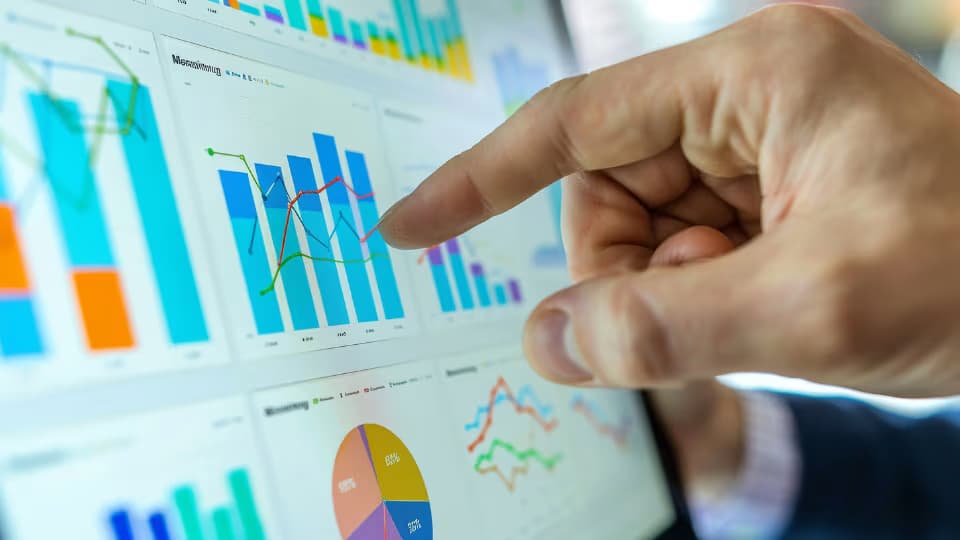
- Visual dashboards and graphs that show performance trends.
- Notifications that remind employees to update or revisit certain goals.
- The ability to adjust goals or add updates at any time and from anywhere.
With these features, both managers and employees know what success for the company is all about since the goals are always kept visible.
How Mobile Apps Enhance Employee Satisfaction and Engagement

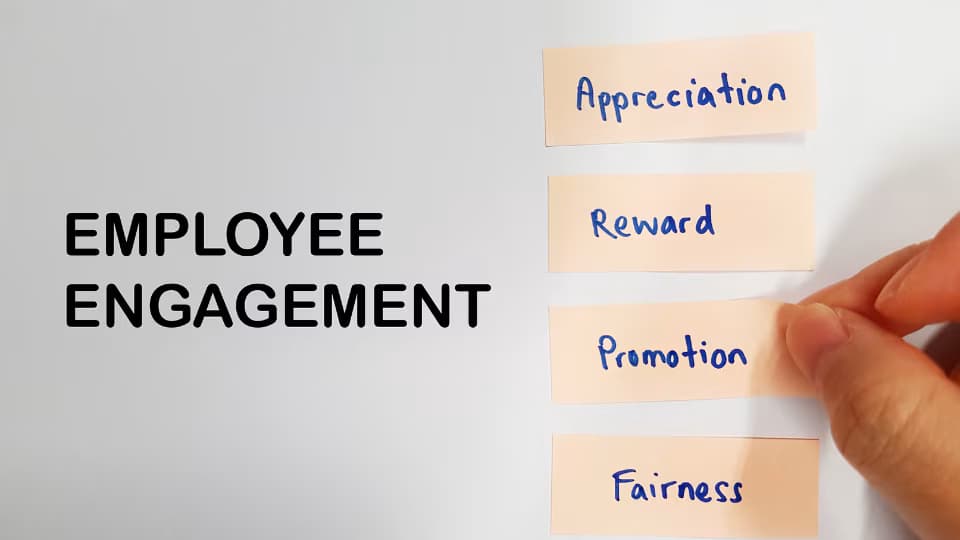
Performance and satisfaction are closely related. You see, when an employee feels heard, supported, and understood, they feel satisfied. This, in turn, makes them better motivated, which leads to better performance and results.
Mobile apps are a great means of enhancing employee satisfaction since they can easily capture employee sentiment. With this, managers can make recognition and communication more consistent.
These apps also offer:
- Quick surveys to capture quick feedback
- Mood tracking to spot patterns
- Anonymous reporting for sensitive issues
- Recognition features like badges, kudos, and leaderboards to celebrate wins and improve morale.
Employee Well-Being Tracking
A lot of companies nowadays prioritize employee well-being, and for good reason. When employees suffer burnout, it affects their morale and retention. Therefore, management has to watch out for signs that can affect well-being.
Mobile apps can be used to track well-being indicators through:
- Daily or weekly mood check-ins
- Quick questions about stress, workload, or energy level
- Patterns that reveal burnout triggers or workload imbalances
- Insights HR teams can use to adjust assignments or provide support
It’s important to note that this shouldn’t replace real conversations. However, organizations can use them in partnership to get a better understanding of when and where support is needed.
Mobile Learning and Skill Development
One of the strongest predictors of job satisfaction is professional growth. Traditional training formats are usually long and require the person to be physically present. This cannot work for distributed teams.
Thankfully, mobile learning eliminates these obstacles. It provides employees with short, convenient training that they can easily fit into their workday schedule.
Common features are:
Microlearning modules that take only a few minutes to complete from anywhere
Personalized training recommendations based on role or performance goals
Skill trackers that show how learning connects to career development
Completion reminders to keep employees progressing
Best Practices for Implementing Mobile Performance Management Apps
The fact that your company now uses mobile performance management apps doesn’t mean all performance challenges are solved. You can only get the benefit when you carefully implement their usage.
Here are some best practices that will get you results:
Choose mobile-first platforms compatible with company workflows: This allows employees to use the app on smaller screens, even while on the move.
Ensure data privacy and secure access: Go for strong encryption and secure authentication. Make sure everything complies with relevant privacy standards.
Train employees on features and benefits: To get the best out of the apps, train your employees on how to use them.
Integrate with existing HR or project management tools: When data flows across systems, employees don’t need to enter information twice. Also, managers can easily get a complete view of performance and workload.
Encourage consistent use with reminders and gamification: A few nudges can help employees make the app part of their routine. Recognition features, progress bars, or small achievement badges can also motivate engagement.
Building Stronger Teams Through Smarter Mobile Technology
Mobile apps bridge the gap between performance, satisfaction, and engagement. They enhance communication, support continuous improvement, and create a clearer view of employee well-being and growth.
By giving employees tools that fit naturally into their daily routines, companies build healthier and more productive workplace cultures. And in a world where agility matters, mobile platforms help teams stay aligned, supported, and competitive.