Most leaders end up running parts of a business they didn't train for. The marketing director becomes the COO. The technical founder becomes the CEO. The senior HR business partner is asked to weigh in on capital allocation. At some level the right answer is to learn enough about every function to ask the right questions and recognise good work when you see it.
This is a long read because the surface area is wide. The point is not to make you an expert in any one function — it's to give you a working map.
The functions every business has
Every business — from a 5-person startup to a 50,000-person company — does roughly the same set of things. The names change, the structures vary, but the functions are the same.
Sales
Sales is how the business turns offers into revenue. In some businesses it's a person on a call. In others it's a self-service signup. In others it's a multi-month enterprise deal cycle. The work is the same shape: find people with the problem, qualify whether you can solve it, propose a way forward, close, and hand off.
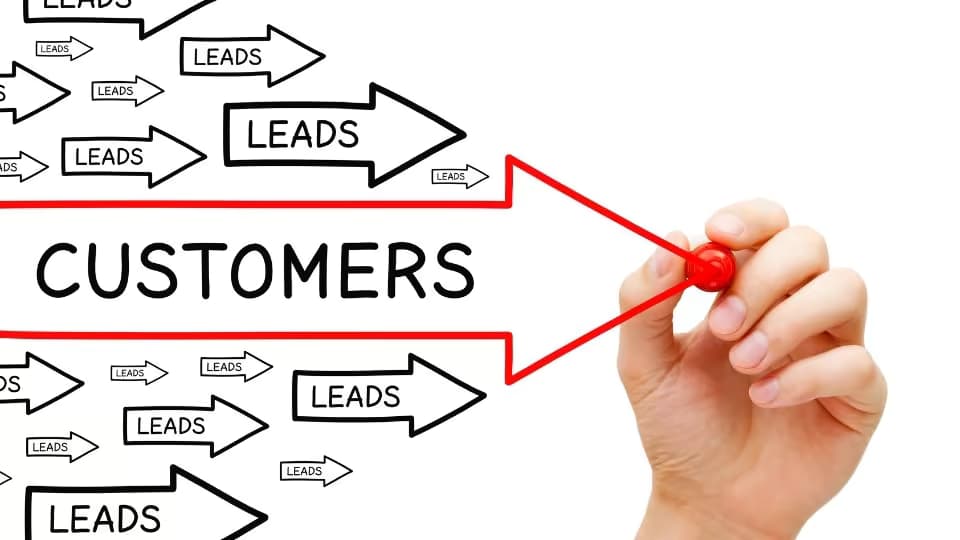
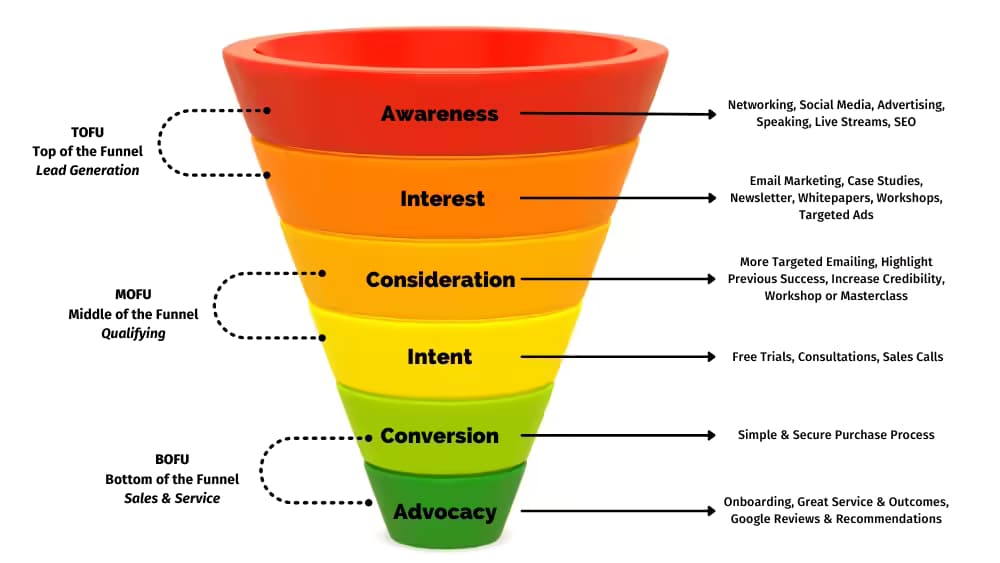
The key signals are pipeline (what's coming), conversion (what closes), and average deal value. Sales without pipeline is luck. Sales without conversion is busy work. Sales without deal economics is bleeding. For most businesses the practical starting point is building a sales funnel that converts leads into paying customers rather than hoping volume alone will fix conversion.
Marketing
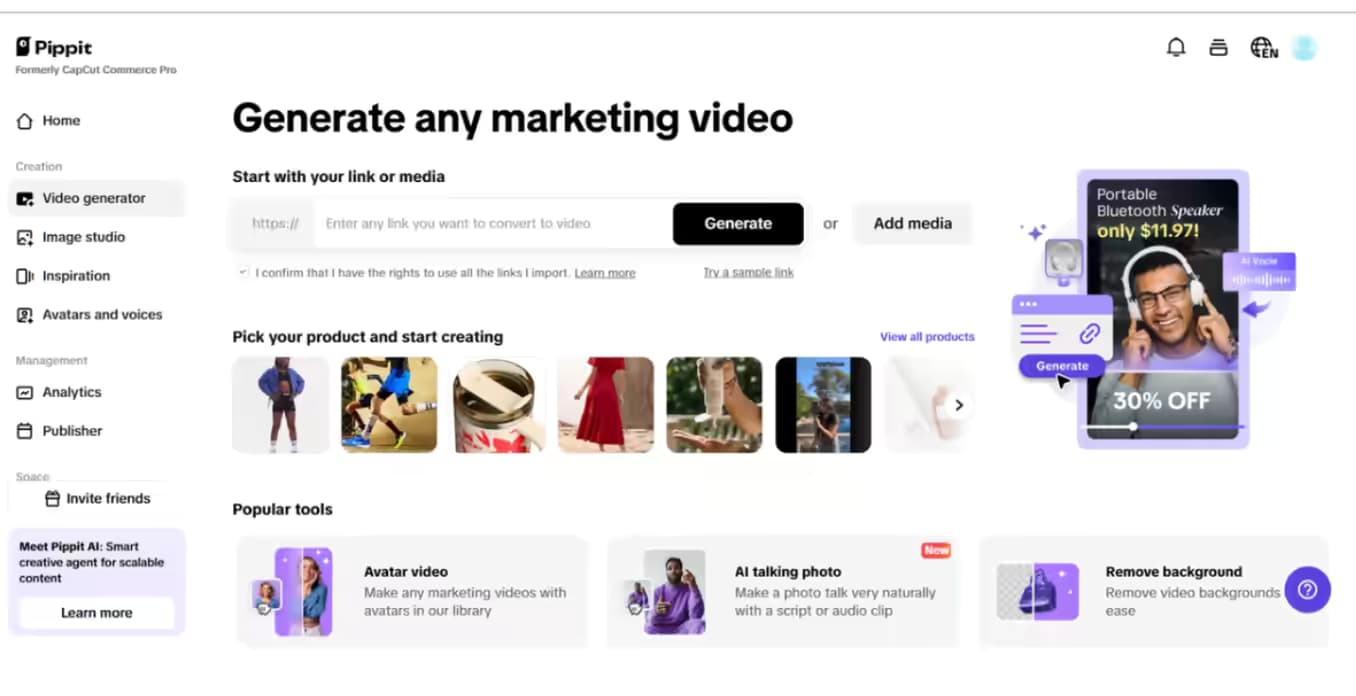
Marketing is how the business gets known and considered before sales gets involved. It includes brand, content, demand generation, product marketing, and customer marketing — all of which are different jobs that often sit under one banner. A common confusion is treating marketing as a tap you turn on for short-term leads, when most of its value is long-term reputation and demand. The specific mix matters less than coherence — there's a reason teams keep making video production part of their marketing strategy even when the short-term ROI is hard to model.
Operations
Operations is how the business actually delivers what it sells, repeatedly and reliably. In a service business it's how work gets done. In a product business it's the supply chain, fulfilment, and customer support. Operations is the function that's invisible when it works and catastrophic when it doesn't. There are several reasons businesses hire consultants to improve their operations, and most of them come down to the same thing: an outside view that catches the drift management has stopped noticing.
Finance
Finance is the function that keeps score, controls cash, and provides the numbers that other functions plan against. It includes accounting (what happened), FP&A (what's likely to happen), treasury (where the cash is), and audit and controls. Many businesses underinvest in finance until they have a problem they can't fix — which is why some leaders eventually turn to outsourcing financial services to plug the gap without building an entire team.
People
The people function — HR, talent, culture — covers hiring, developing, paying, and managing the workforce. The well-run version is a strategic partner. The under-resourced version is paperwork. The difference is mostly whether the leadership team treats people as a function that drives the business or a cost centre that supports it. There's a useful body of work on effective cost management in HR that smaller business owners often miss until margins get tight.
Product (or the equivalent)
Every business has something it makes or sells, and a function that's responsible for what it is and how it gets better. In a software company that's product management and engineering. In a manufacturer it's R&D and design. In a services firm it's the methodology and delivery model. The name varies; the work — defining what's offered and improving it — is universal.
Legal, risk, and compliance
Often underestimated until needed, then desperately needed. Includes contracts, regulatory compliance, data protection, and the increasing weight of policies that apply across jurisdictions. Smaller businesses often outsource this. Bigger ones build it in-house.
How the functions connect
The functions don't sit in silos — they form a flow.
Marketing creates demand. Sales converts it. Operations delivers what was sold. Finance funds the cycle and tells you what it's costing. People build the team that does all of the above. Product determines what's being sold in the first place.
Most business problems are not single-function problems. They're handoff problems.
A common pattern: marketing brings in unqualified leads, sales spends time chasing the wrong customers, operations is asked to deliver to customers who can't be served well, finance ends up writing off bad debt, and people ends up firefighting morale. The cause isn't any one function — it's the handoff between two of them.
Reading the business well means watching the handoffs more than the individual functions.
The manager's view of the business
A few mental shifts separate a function head from a general manager.
From outputs to outcomes
A function head asks "did we hit our targets." A general manager asks "did the targets we hit produce the results we needed." Sometimes a function does well and the business does badly. Sometimes the reverse. Distinguishing the two requires standing one level back from the dashboard.
From the org chart to the actual flow
The org chart says who reports to whom. The actual flow is how decisions and information move through the business, which often crosses the chart in ways that aren't documented. A general manager learns to read both.
From advocating to allocating
A function head advocates for their function. A general manager allocates resources across functions, which means saying no to your own former function more often than feels comfortable.
From people you know to roles you don't
In your home function you know everyone. As you broaden, you'll have to make calls about people whose work you don't directly understand. The skill is asking the questions that reveal whether someone is good at a job you couldn't do yourself.
Financial literacy for non-finance people
You don't need to be an accountant. You do need to read three documents fluently.
The income statement
Revenue at the top, costs in the middle, profit at the bottom. The questions worth asking: where is revenue growing or shrinking and why; which costs are growing faster than revenue and why; what's the gross margin and what's it doing over time.
The balance sheet
What the business owns and owes at a moment in time. The questions worth asking: how much cash is on hand; how much is owed by customers (and how old is it); how much does the business owe and to whom; how much equity is in the business.
The cash flow statement
Where cash actually came from and went to. The crucial concept is that profit and cash are not the same thing. A business can be profitable and run out of cash, or unprofitable and have plenty of cash. Cash is the survival metric, which is why managers who learn how to combat company cash flow issues early on tend to outlast peers who only learn it in a crisis.
A few ratios that travel
Gross margin (revenue minus direct costs, as a percentage of revenue). Operating margin (profit before tax and interest, as a percentage of revenue). Customer acquisition cost compared to customer lifetime value. Working capital — money tied up in receivables and inventory minus money owed to suppliers. None is hard. All are widely misused.
Governance basics
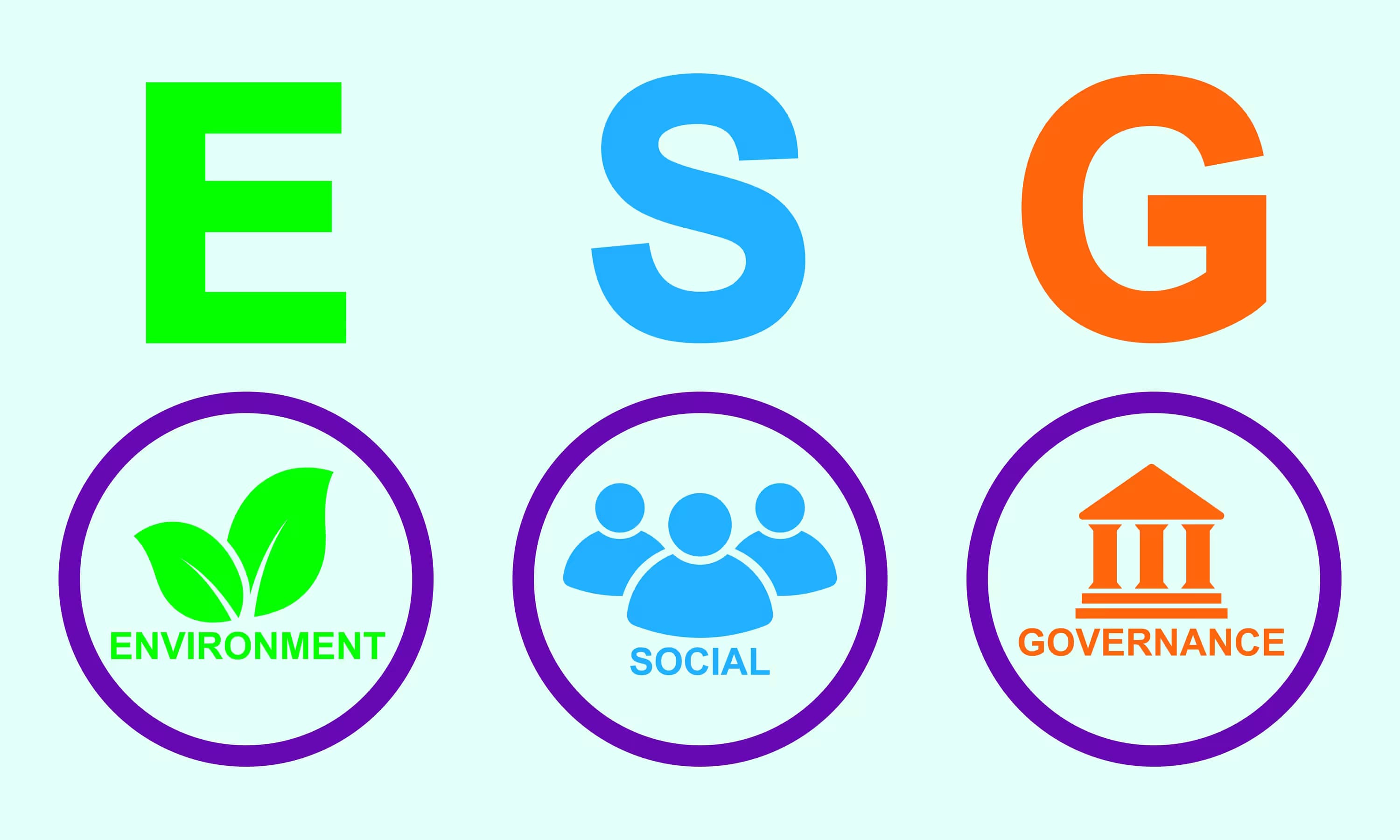
Governance is the layer above management — the structures that ensure the business is run honestly, accountably, and with a long-term view.
In a small private business it can be light: an external advisor or two, a regular financial review, a clear set of policies that prevent the obvious abuses. In a larger business it scales: a real board, an audit committee, a remuneration committee, internal audit, formal risk management. There are now corporate governance platforms that help boards transform risks into opportunities, though tooling is no substitute for the underlying discipline.
The thing to understand is what governance is for. It's there to catch the things management can't catch about itself — including blind spots, drift, and the slow erosion of standards that happens when no one's looking. The well-run version is a genuine sounding board for difficult decisions. The badly run version is rubber-stamping. Both are common.
If you're a senior manager who's never sat in a real board meeting, sit in on one. The view from the board side of the table is worth understanding well before you're asked to run a meeting yourself.
Common business management mistakes to avoid
- Knowing one function deeply and treating the others as someone else's problem
- Confusing profit with cash — and only realising the difference in a crisis
- Treating governance as bureaucracy until something goes wrong that governance was designed to catch
- Reading the org chart instead of the actual flow of decisions and information
- Hitting your function's targets while the business misses its own
- Letting handoffs between functions remain unowned, then blaming individuals when they break
Where to go next
The leaders who keep moving up don't usually do so because they're geniuses in one function. They do so because they understand the whole business well enough to see where the leverage is. Pick the function you understand least, and start there.
- Leadership styles you need to know — the foundation for general managers learning to lead people whose work they couldn't do themselves.
- Clarity in financial presentations for boardroom meetings — the bridge between knowing the numbers and being able to defend them upstairs.
- The failure of corporate governance and its impact on business — a case study in what light-touch governance is actually meant to prevent.
Get more guides like this
One email a week with the latest HR guides, frameworks, and templates. Unsubscribe anytime.












































































![Why Custom Team Apparel Is Your Secret Brand Identity Builder [Case Study]](/_next/image?url=https%3A%2F%2Fthehubbackend.com%2Fmedia%2Ffkuhmvikekq2etz0pwjh.avif&w=3840&q=75)







































































































































































































































































































































































































































































































.avif&w=3840&q=75)

%2520(1).avif&w=3840&q=75)


.avif&w=3840&q=75)