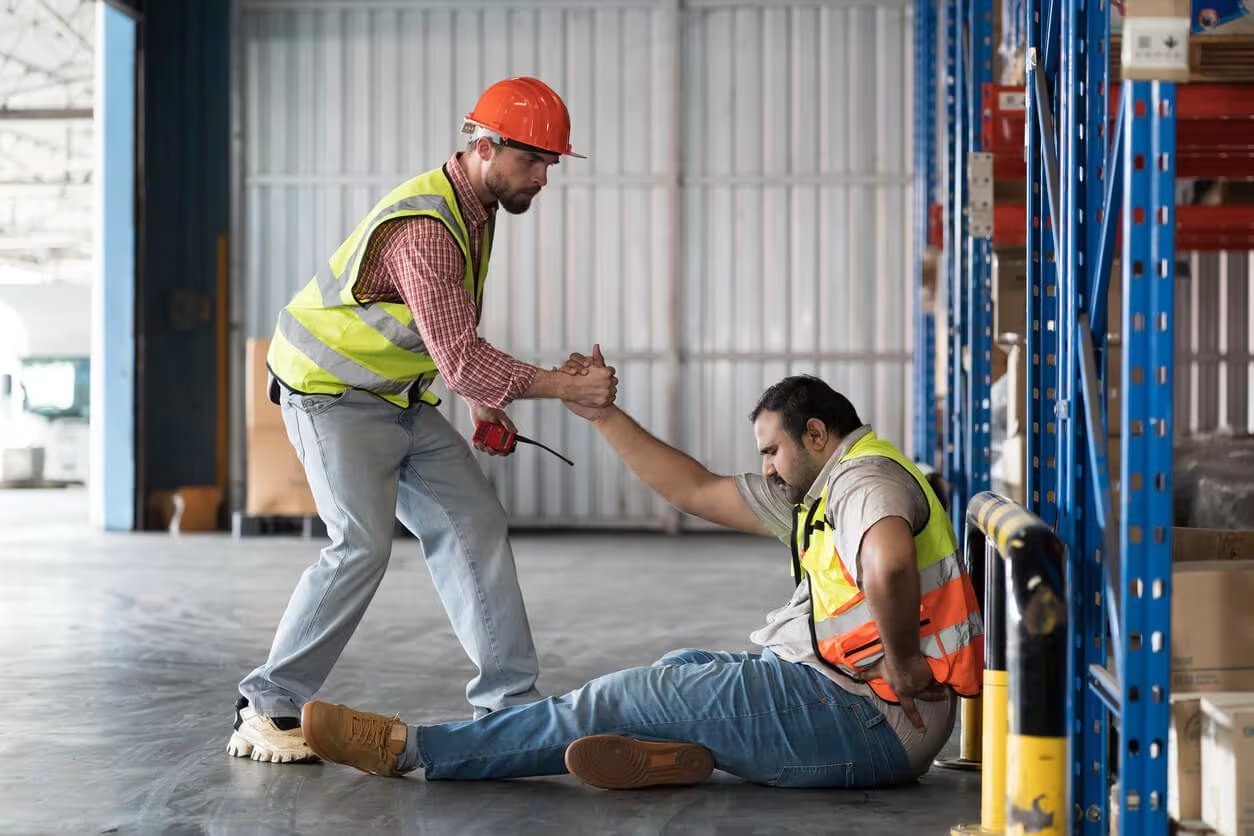
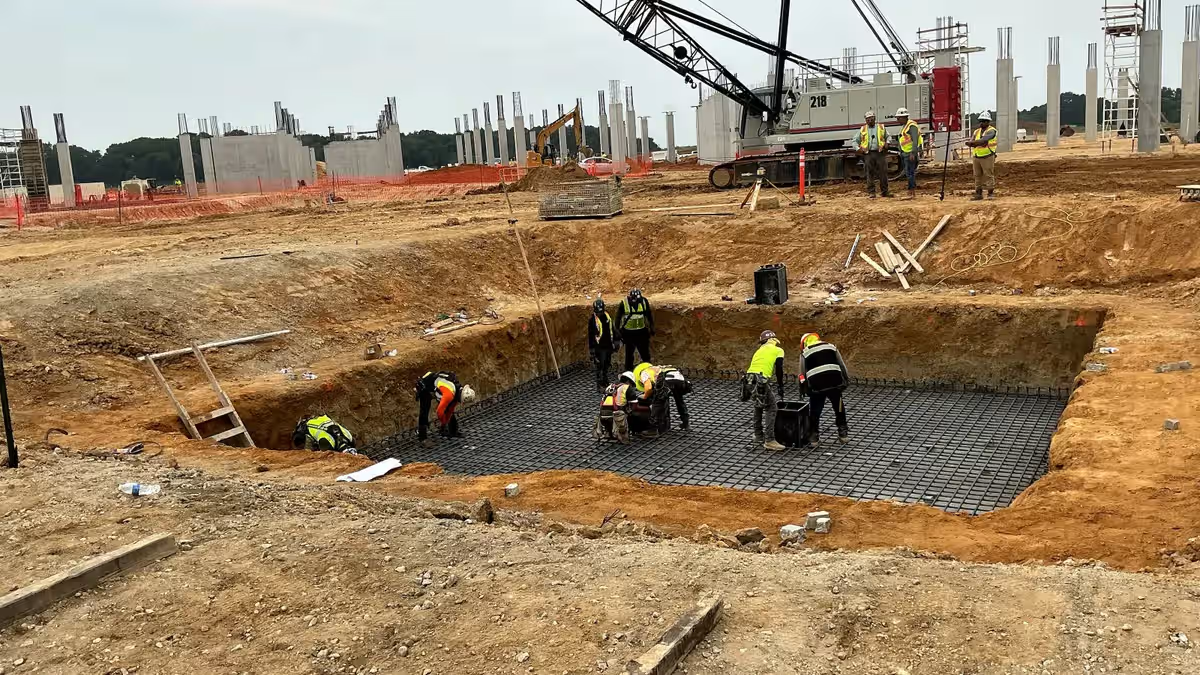
Construction site safety is not just about enforcing written rules. It’s more about everyday decisions. How teams plan work, communicate risk and respond to minor problems on site can play a big role in whether incidents are prevented or repeated. As regulatory expectations tighten, proactive safety thinking is now a commercial priority that directly impacts insurance costs, project timelines and reputation. Here are some practical, site-ready ideas for construction managers, contractors, and site supervisors who want to reduce their risk and protect workers through better habits, planning and leadership rather than adding yet another procedure.
Safety culture matters more than signage and tickboxes
Posters and toolbox talks are still important, but impactful safety performance is down to organisational culture and leadership that shows accountability on the ground. Your team is more likely to engage with safety standards if supervisors consistently challenge unsafe behaviour, model correct practices themselves, and take near-miss reporting seriously. Set clear expectations around housekeeping, material storage and task sequencing to reduce the grey areas that lead workers to take shortcuts. Also, make sure to provide regular refresher training and visible management involvement to reinforce the idea that safety is a crucial part of how work is delivered.
Identify and plan for high-risk moments on construction sites
A serious incident on a construction site often happens during a predictable, repeatable moment rather than an unexpected event. Moving materials across shared walkways, working on uneven surfaces, repositioning equipment, and working under time pressure will all significantly increase exposure to risk. And don’t underestimate the impact of weather conditions in daily planning. Rain, ice and strong winds can quickly change ground conditions and visibility while work patterns remain unchanged. Identify these high-risk windows during daily briefings so that teams have time to adjust access routes and supervision levels. And remember that personal protection is for supporting these controls rather than be a replacement proper task planning or site design.
How proper PPE can prevent avoidable injuries
The right personal protection equipment (PPE) supports safer working practices, but only if it matches real site conditions. For example, uneven flooring and heavy manual handling will place constant strain on feet and ankles, particularly on busy projects. Choosing reliable work safety boots helps reduce slips, crush injuries, and fatigue so that workers can maintain better balance and mobility throughout long shifts.
Turn basic compliance into long-term risk reduction
Meeting regulatory requirements is just the beginning of a safe construction site. If you want long-term improvements, you must review incident data, investigate near misses promptly, and make small operational adjustments based on what actually happens on site. Even simple updates (altering delivery schedules to reduce congestion, improving lighting around temporary access routes) can significantly reduce accidents. And carry out regular site reviews to help your team identify emerging risks and ensure that safety controls evolve with changing conditions.
A safety-first construction site is about small changes
Safer construction sites rely on consistent leadership and being attentive to everyday risk. By strengthening safety culture, identifying high-risk moments, supporting teams with appropriate PPE and using compliance data to drive improvement, site managers can reduce injuries while protecting productivity and long-term project performance.