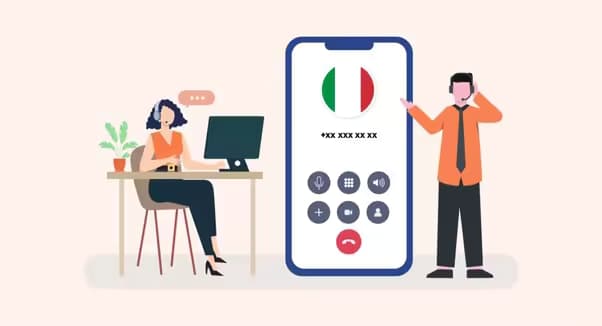

Teams across many industries are under pressure to stay responsive while managing limited internal resources, and this challenge often appears most clearly in how incoming calls and messages are handled. Missed calls, rushed responses, or inconsistent availability can quietly erode trust before a conversation even begins. A virtual receptionist model addresses this issue by separating front-line communication from daily operational strain. Instead of relying on in-house staff to juggle phones alongside primary responsibilities, businesses can maintain a consistent, professional presence without adding internal complexity.
Improved Call Handling Consistency
One of the strongest advantages of a virtual receptionist is the steady handling of inbound calls, regardless of daily workload fluctuations. Internal teams often face interruptions that make it difficult to answer every call promptly, even with the best intentions.
A virtual receptionist ensures that calls are answered using predefined scripts and tone guidelines, creating a uniform experience for every caller. This consistency helps establish credibility, particularly for new prospects who may judge professionalism based on the first interaction.
Teams benefit from knowing that calls are managed without distraction, which reduces the stress of multitasking during high-demand periods. Call logs and summaries can be delivered in an organized format, allowing staff to respond thoughtfully rather than reactively. The result is a calmer internal workflow paired with a more polished external impression.
Professional Image Across All Touchpoints
First impressions often form before a conversation reaches a decision-maker, and a virtual receptionist helps shape those early moments carefully. Calls are answered promptly with a consistent greeting that reflects brand values and communication standards.
This level of polish signals organization and reliability to callers, even if the team itself is lean. Businesses considering options such as an outsourced receptionist team can maintain this professional image without building a large administrative layer. Messages are captured accurately, names are handled correctly, and call intent is clearly summarized.
These details matter when trust is being established quickly. A refined front-line experience supports stronger relationships before direct engagement begins.
Cost Control Without Service Compromise
Hiring and maintaining full-time front-desk staff can strain budgets, particularly when call volumes fluctuate throughout the year. Virtual receptionist services offer a predictable cost structure that aligns with actual usage rather than fixed salaries and overhead.
This allows teams to access professional call handling without long-term staffing commitments or training cycles. Businesses avoid expenses tied to benefits, office space, and equipment while maintaining high service standards. Financial flexibility becomes easier to manage, which supports better planning across departments.
Resources saved can be redirected toward growth initiatives or operational improvements rather than administrative coverage. This balance between cost awareness and service quality appeals to teams that want efficiency without sacrificing professionalism.
Greater Focus for Internal Teams
When calls are routed through a virtual receptionist, internal staff gain uninterrupted time to focus on core responsibilities. Frequent phone interruptions often fragment concentration, which slows progress and increases error rates across tasks.
By filtering and prioritizing calls, a virtual receptionist reduces unnecessary disruptions while ensuring urgent matters reach the right people quickly. Teams experience smoother workdays with fewer context switches, which supports higher-quality output. This structure creates clearer boundaries between communication intake and execution work.
Staff members report feeling less reactive and more in control of their schedules. This clarity contributes to better morale and more sustainable productivity patterns.
Scalability That Matches Team Growth
As organizations grow, communication demands rarely increase in a straight line, which makes staffing decisions difficult to time. Virtual receptionist services scale smoothly, adjusting coverage as call volume rises or falls without operational friction.
New campaigns, seasonal shifts, or expanded service areas can be supported without restructuring internal roles. This flexibility reduces risk during growth phases when uncertainty is highest.
Teams gain confidence knowing their communication infrastructure will not become a bottleneck. Scaling support externally allows leadership to focus on strategy rather than short-term staffing fixes. Growth feels more controlled when customer contact points adapt effortlessly.
Flexible Coverage Beyond Standard Hours
Many teams struggle to provide coverage outside traditional business hours without stretching staff too thin. Virtual receptionist services offer extended availability, which ensures callers are acknowledged even when offices are closed.
This flexibility supports clients in different time zones and accommodates urgent inquiries that cannot wait until morning. Businesses benefit from capturing opportunities that might otherwise be lost due to timing mismatches.
Coverage can be adjusted based on actual need rather than fixed schedules, which keeps service responsive without burnout. The following areas often see immediate improvement when extended coverage is introduced:
- Reduced voicemail dependence during peak periods
- Faster response times for after-hours inquiries
- Clearer message routing for urgent requests
- Improved caller satisfaction across time zones
This adaptable availability strengthens trust while preserving internal balance.

Source
Implementing a virtual receptionist is less about outsourcing a task and more about redesigning how teams manage attention and communication. The advantages extend beyond answering calls, influencing focus, cost control, scalability, and brand perception. Teams gain space to work deeply while callers receive consistent, professional responses that reflect organizational standards. This balance supports sustainable operations without adding internal pressure. As communication expectations continue to rise, having a reliable front-line system becomes a strategic asset rather than a convenience. A well-integrated virtual receptionist model allows teams to stay present, prepared, and responsive without sacrificing momentum.