
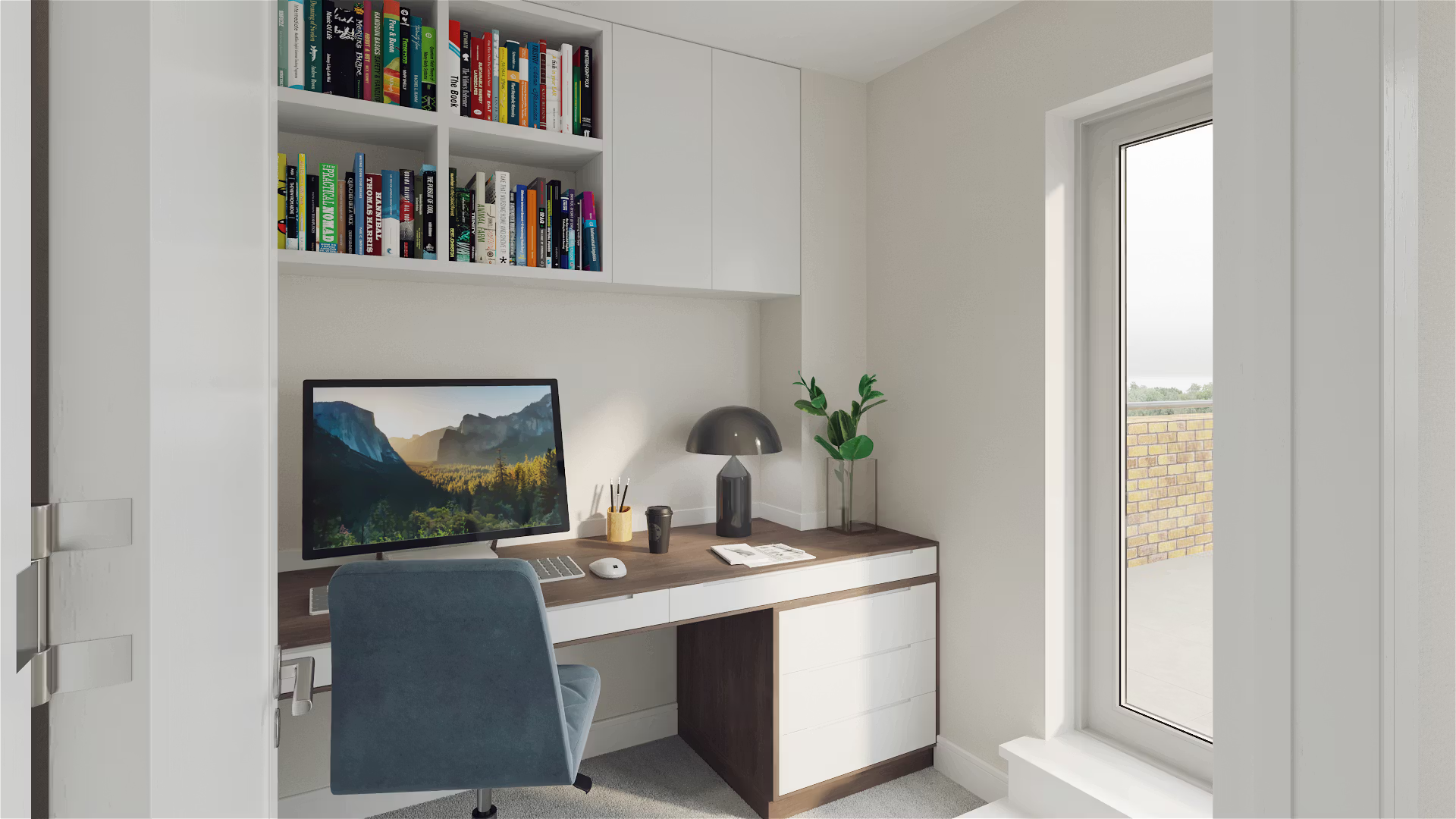
At home, staying productive during operational hours depends on how functional and aesthetically pleasing the workspace is. Remember, it’s now more important than ever.
Whether you’re working remotely or running a business from home and want to transform your workspace from ordinary to extraordinary, a home office renovation is worth considering.
However, the cost of renovations can sometimes feel overwhelming. Unaware of how to stay financially stable while renovating your home office?
Below are six practical tips to help get your home office renovation project done without any financial burden. Let’s review them in detail…
1. Budget Smartly
First off, set a realistic budget. Assess what changes you want to make. Planning to replace old furniture with new, ergonomic furniture? Enhance its decor? Or intend to make technology upgrades to boost work efficiency?
It’s more than necessary to outline each expense. Don’t forget to leave a small margin for unexpected costs. This disciplined approach, when followed, will keep you financially organized and on track, preventing overspending.
2. Explore Financing Options
In case your renovation plans exceed your budget, financial options are what you should consider exploring. Numerous homeowners are unaware of the availability of online renovation loans. That is what can make the renovation process more accessible and manageable.
Such loans are designed specifically for home improvements. Often, lenders offer flexible terms and competitive interest rates.
So, be proactive and research loans to find one that best fits your needs. Securing the renovation loan with the best terms and low interest rates means you’ll have enough funds to complete your project without straining your finances.
3. DIY Where Possible
One of the top ways to cut costs on your home office renovation is to incorporate a DIY approach for certain tasks.
Whether to paint walls, assemble furniture, or create your own decor items, doing it yourself will save you substantial amounts in labor costs.
Attend online tutorials or community workshops to learn new skills that can be fun and rewarding while enhancing your home office’s appeal.
4. Prioritize Essentials
While on your way to renovate your home office, it’s easy to get carried away with wants rather than needs. So, it’s important to make a comprehensive list of essentials that will genuinely improve your workspace, such as;
ergonomic furniture,
adequate lighting, or
efficient storage solutions.
Focus on what will have the greatest impact on your productivity. This way, you’ll avoid unnecessary expenses and create a more functional environment.
5. Source Secondhand Items
Don’t overlook the treasure trove of possibilities that come with buying secondhand office items. To find high-quality, stylish furniture and decor items at a fraction of the cost of brand-new ones, browse:
thrift stores,
consignment shops, and
Stay a little bit creative, so you can find pieces that enhance your home office’s overall aesthetics without breaking the bank.
6. Take Your Time
Last, but most importantly, allow yourself the space and time to complete your renovation project. There’s no need to rush into a full redesign all at once. Break down your project into phases. It’s wise to focus on one aspect at a time.
Doing so will enable you to manage your finances more effectively and make thoughtful decisions as you go. Hence, you’ll be sure that each choice aligns best with your vision.