
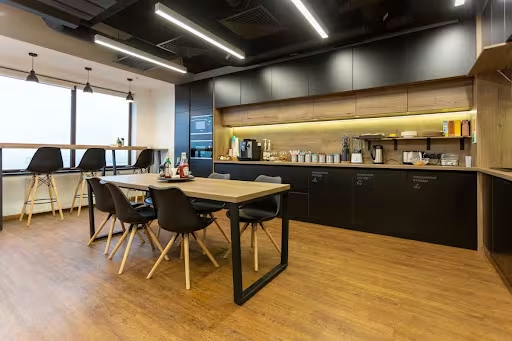
A well-planned office kitchen does more than feed people. It shapes focus, flow, and team morale by removing small frictions from daily routines. With a few smart upgrades, you can turn break time into a quiet engine that keeps everyone sharp.
Why Kitchens Matter At Work
The kitchen is where tiny delays add up. If it takes 6 extra minutes to find a mug, wait for a kettle, or air out a smoky space, those minutes multiply across a team. Designing the room to minimize noise, odors, and clutter frees attention for real work.
Small, predictable systems keep the room calm. Clear labels, a tidy counter, and a set place for tools reduce questions and cross-talk. When people can grab what they need in seconds, they return to deep work quicker.
Good layout protects focus in nearby desks. Keep the doorway away from heads-down zones, and route traffic along a single path. Give the loudest tasks a corner, and the quick grab items near the entrance.
Air Quality And Focus
Clean air supports clear thinking, and cooking is one of the biggest drivers of indoor particles. One practical move is to buy a 30 inch range hood so the capture area matches a common 30-inch cooktop, improving pollutant capture directly at the source. Pair that with simple habits like using lids on pans and switching the fan on before the pan hits the heat.
Positioning matters more than gadgets. Mount the hood so it fully covers the cook zone and keep 24 inches of clear space around the range. Wipe baffles weekly to keep suction strong.
Fresh air beats heavy scents. Frying and toasting create lingering odors that follow people back to their desks. A good hood plus a brief post-cook air flush keeps the office from smelling like lunch.
Noise, Layout, And Flow
Noise spillover from a busy kitchen can break concentration. Evidence from office layout research shows that when teams moved into noisier, open spaces, face-to-face interaction dropped while digital messaging rose, and focus did not improve as a result. The lesson for kitchens is clear - buffer sound and tame chatter.
Separate motions by task to reduce bottlenecks. Put brew-and-go near the door and heat-and-prep deeper inside the room. This keeps quick visits from colliding with longer cooking.
Add soft finishes that absorb clatter. Felt pads under chairs, soft-close bins, and a door sweep lower the daily noise floor. Even small cuts in background noise make nearby desks feel calmer.
Smarter Coffee For Health And Energy
Coffee perks up attention, but how you brew it matters for long-term health. Health reporting has highlighted research linking paper-filtered coffee with lower LDL compared with some machine-brewed options on workdays. That swap keeps the caffeine while reducing certain compounds.
Make the coffee station fast and quiet. Keep a landing zone for mugs and filters, and mark a water fill line on kettles. A tidy layout shortens waits during the morning rush.
Offer a simple choice and stick to it. One drip brewer with paper filters plus a kettle covers most needs. Fewer machines mean less noise and fewer things to maintain.
Break Rituals That Restore Focus
Short breaks reset attention when they are predictable and friction-free. A clean counter and labeled zones turn brewing or reheating into a 3-minute ritual that lets the mind cool down. People return to their desks without carrying kitchen stress.
Give people a place to pause that is not the hallway. A small standing perch or two-seat nook absorbs quick chats without blocking traffic. The conversation fades before it reaches quiet areas.
Keep the ritual short and clear. Post a quick end-of-break tidy step like wipe, restock, switch off. When the room resets itself, the next person starts fresh.
Storage, Lighting, And Cleanliness
Good storage keeps motion smooth. Use shallow shelves for mugs and bowls, stackable bins for snacks, and a labeled drawer for tea and tools. When items live in obvious places, people stop hunting.
Lighting guides behavior. Under-cabinet lights reduce errors and speed cleanup, and a brighter sink zone nudges people to finish dishes right away. Even small changes make the room feel orderly.
Clean surfaces protect focus. A splash of soap on a sponge and a 30-second wipe keeps odors from building. When the room smells neutral, the whole office feels quieter.
Simple Upgrades That Pay Off
Match the hood width to the cooktop and switch it on before cooking.
Create two traffic lanes - brew and go on one side, heat and prep on the other.
Use soft-close bins, felt pads under chairs, and a door sweep to mute noise.
Offer paper filtered drip plus a kettle for single cup pour overs.
Label shelves, keep a spare set of mugs, and add a shallow tray for spoons.
Post a 3-step tidy checklist near the sink to keep turnover fast.

A productive office kitchen is quiet, clear, and quick. When you remove odors, clutter, and queues, the room becomes a true reset that supports steady energy all day. Build the space around the tasks people actually do, and it will keep work humming without drawing attention to itself.