Every generation thinks its technological disruption is unprecedented. They're partly right — and mostly wrong. The pattern of how tools change work has been steady for centuries: some tasks get automated, new tasks appear, the people who adapt early do well, and the rest catch up later. The question isn't whether to engage with the current wave — it's how to do it without wasting time.
Look at tasks, not job titles
The useful unit of analysis isn't "which jobs will AI replace". It's "which tasks within which jobs are now done differently". Almost every knowledge job is a bundle of tasks, and the bundle is being unevenly affected.
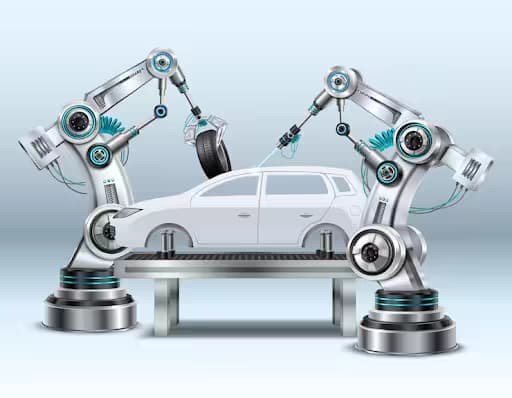
Drafting a first version of routine documents — emails, summaries, reports — has become much faster. Searching and synthesising information across documents has become much faster. Writing boilerplate code or queries has become much faster. These were real chunks of many jobs, and the time saved goes somewhere — either into the same job done at higher volume, or into different work that pays more.
Other tasks have barely shifted. Difficult conversations with people. Negotiation. Defining the right problem to solve in a messy organisation. Synthesising judgment across years of experience. These remain stubbornly human, and the people who can do them well are increasingly distinguishable from those who can't. The shape of the change is what matters more than the headlines — how generative AI is reshaping job roles and workforce planning is mostly a story of tasks moving, not jobs disappearing.
Treat AI realistically — neither magic nor menace
The current wave of AI tools is genuinely useful for a specific set of tasks and genuinely unreliable for another. The skill is knowing the boundary.
Where they help: drafting, summarising, explaining, translating between formats, generating options, doing tedious work at scale, and acting as a tireless first-pass collaborator. Used well on these tasks, an experienced professional can move two to three times faster than they used to.
Where they fail: anything requiring genuine accuracy without verification, anything requiring institutional context they don't have, anything where the cost of being wrong is high and the wrongness is plausible-sounding. These tools generate confident, well-formatted nonsense regularly enough that you cannot trust outputs you haven't verified. The bigger picture is unfolding fast — the future of business data, AI, and automation is genuinely useful context for anyone trying to separate signal from vendor noise.
The right model for most knowledge workers is "experienced editor of an unreliable but fast junior". You direct it, you review it, you fix it. If you find yourself shipping outputs you haven't read, you're using it wrong — and your work will eventually show it.
A useful habit
For any AI-assisted task, ask: would I sign my name to this output? If not, edit until you would. If you can't, the tool isn't suited to that task — yet.
Build digital literacy as a baseline
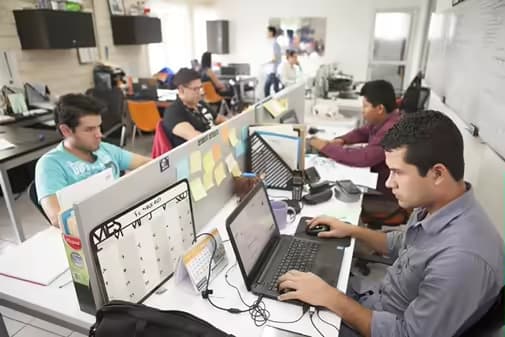
Below the headline AI conversation, there's a slower, more important shift: a baseline level of digital fluency is now required to do almost any office job competently. Comfort with spreadsheets, basic data manipulation, version control concepts, structured documents, and a few collaboration tools. If you're not sure where the floor sits, start by understanding what digital literacy actually means in a modern workplace.
This isn't optional any more — it's the floor. Workers without it are quietly being passed over for promotions, included in fewer projects, and pushed toward narrower roles. The remediation is straightforward and surprisingly affordable, but it requires admitting the gap exists. There's a practical inventory of the digital skills every employee needs and how to get them for anyone trying to self-diagnose.
A useful test: in your job, how much time do you spend doing things in tools you'd struggle to teach a new colleague to use? If the answer is most of your day, you're in good shape. If you can only teach the manual workarounds you've memorised, you've got work to do.
Choose tools without burning out
The supply of new tools is now genuinely overwhelming. Trying to evaluate everything is a full-time job, and several full-time roles now exist to do exactly that. For most people, the right strategy is the opposite: aggressive ignoring.
Pick the two or three tools most relevant to your specific work. Learn them properly — not surface-level, but well enough that you can do meaningfully more with them than someone who just opened them yesterday. Ignore the rest until at least one of three things happens: a tool survives 18 months, a respected colleague uses it daily, or your work demands it. Curated shortlists of tools and software that can improve efficiency and productivity are a faster filter than reviewing each launch yourself.
This will mean missing some tools that turn out to matter. That cost is small compared to the cost of constantly learning tools that don't survive. The payoff curve heavily rewards depth in a few tools over breadth across many.
Invest in the work that's getting more valuable
As routine tasks compress, the parts of jobs that don't compress become disproportionately important. This is where careers diverge.
The skills compounding fastest are those that AI tools are worst at and that take years to build. The ability to ask a sharp, useful question. The judgment to recognise a bad answer that sounds good. The taste to know when a draft is finished. The communication skills to explain a decision in a way that a non-expert can act on. The political ability to move an organisation toward a better answer.
None of these are new. All of them were always valuable. What's changing is that the people without them are now visibly less productive than they used to look — because the tools that used to mask the gap have evened out the rest of the work.
Common mistakes to avoid
- Treating AI tools as either magic or menace, instead of as fast, unreliable assistants
- Shipping outputs you haven't read or verified
- Trying to keep up with every new tool in your field
- Letting digital literacy gaps quietly limit your career
- Underinvesting in judgment, communication, and taste because they aren't a course you can take
Where to go next
Start with whichever part of your work feels most exposed right now — the articles below dig into specific topics worth a deeper read.
- AI tools that supercharge your website — a concrete look at how today's tools are actually used in marketing and ops, useful for picking the few worth learning.
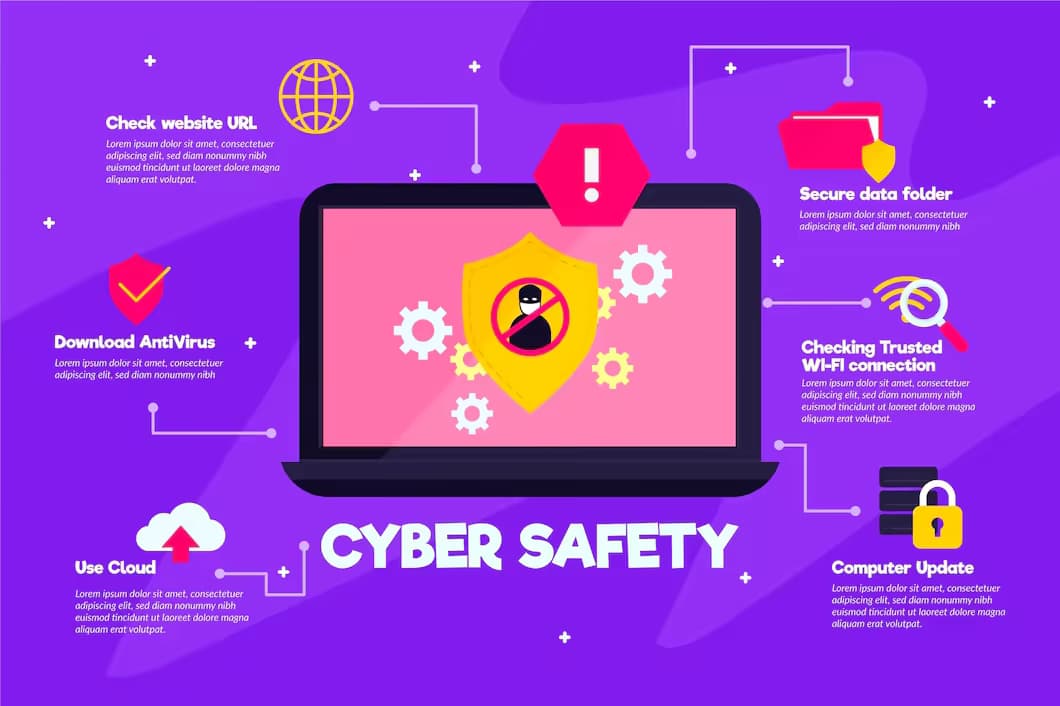
- Why cybersecurity needs to be a leadership priority — the digital-fluency conversation most teams skip until they get burned.
- The importance of cybersecurity training in corporate learning programs — how organisations are pushing baseline digital safety into everyday skills development.
Get more guides like this
One email a week with the latest HR guides, frameworks, and templates. Unsubscribe anytime.