
An organization's data security is fundamentally tied to its employees' security practices. Employees are a company's first line of defense. Often, they are the Achilles' heel. For example, a series of T-Mobile employee errors led to multiple data breaches over several years. Now, T-Mobile must pay a $15.75 million settlement to the US Federal Communications Commission (FCC) after exposing the data of millions of customers.
People click on phishing links. They use weak passwords. Sometimes, they trust too easily and can be misled by social-engineering tactics. That's why helping employees secure their digital life will reduce a company's cybersecurity risk.
Help Employees Face a Barrage of Cyberattacks
Social engineering exploits people's trust to extract confidential information. Attackers can use their tactics on both social media platforms and in work settings.
Employees often use work devices for a quick scroll through their personal social media feeds. If an attacker hooks them on social media, the attack can spill over into company systems. Attackers may impersonate trusted companies, clients, coworkers, or managers. They send poisoned emails and messages to trick people into leaking credentials or confidential information.
Sometimes, employees must compensate for a lack of tools or other workplace weaknesses. Personal devices (BYOD policy) in the workplace can be a source of infection, especially with remote employees who might be using unsecure Wi-Fi networks. Malware and ransomware can cross digital boundaries and infect a company's network.
Cyberattack Insurance as a Security Strategy
In a cyberattack, disaster spreads like lightning. Only prompt action can minimize damage. Yet, cyberattack victims' first reactions are often fear, denial, and an inability to come to terms with the scope of the event. Often, they might not even grasp the seriousness of it.
If their misfortune can damage their employer, some may try to hide the incident. That's often the case in industries with strict data privacy regulations. For example, HIPAA breaches can result in harsh penalties for the company.
Employees who have cyber extortion insurance have access to expert help in cyber-related emergencies. They are well-equipped to respond to incidents. That reduces the time it takes to isolate and contain the danger. A quick response can save a company from incurring extensive damage.
Fighting the Financial and Emotional Impact of Cybercrime
Identity theft victims face years of uncertainty. They carry a financial and administrative burden while fighting to prove their innocence in fraud cases.
The first goal of cyber extortion coverage is to help protect employees. Identity theft coverage and cybersecurity advice help them fight back against criminals. They get financial compensation to cover the cost of replacing or remediating devices. Cyberinsurance provides support from specialists to restore stolen identities and repair credit reports.
Protecting Employees Makes Your Business More Resilient
Should an employee cause a company breach, the company faces a long list of expenses.
- The cost of customer notifications
- Hiring public relations experts to maintain customer trust and loyalty
- Hiring cybersecurity experts for forensic investigations
- Shoring up the company's cybersecurity measures
- Legal fees
- Regulatory fines
- The cost of ransom and cyber extortion payments
- The cost of lost productivity and business interruption
The company may need to recover damages from the culprit.
Insurance provides financial protection to cover the damage that cyberattack victims cause to others. Cyberattack victims have to compensate those who suffered damage as a result of their actions. This financial safety net can help the company meet the cost of the data breach.
Company Growth Prospects due to Cyberinsurance Cover
Apart from the financial safety net in case of a cyber incident, companies gain indirect benefits:
Employees who know how to deal with cyber incidents help businesses comply with data protection requirements. The compensation funds can help a company meet its legal obligations. Extra cash can minimize disruptions to the business operations. And when recovery experts get involved, they can control damage to the company's reputation.
These are powerful selling points if your company operates in industries where data privacy is paramount.
Cyberinsurance as a Hiring Strategy
There are human resource benefits for both individuals and corporate security. Employees see cyber extortion protection as an investment in their well-being. Including these protections in employee benefits can help foster a loyal workforce. It's a benefit that will attract the best talent and help you build a top team.
Implementation Guidance for HR and Leadership Teams
Cyberattack insurance is an opportunity to implement cross-departmental security measures. Weave the cyber-risk protection into the company culture with these steps:
- Do cyber awareness training to instill best practices against phishing and social engineering. As part of the training, communicate the benefits of the insurance to employees. It helps drive home the importance of company-wide cybersecurity hygiene.
- Cyber extortion insurance policies include access to sophisticated tools that detect suspicious activity. Active dark web monitoring can spot indications that someone's passwords have popped up on the dark web. It's a heads-up that a broader attack may be in the pipeline. The insurer's instant alerts give people advance warning of threats. That can help to seal security gaps quickly.
- Use multi-factor authentication (MFA) for all business-critical systems.
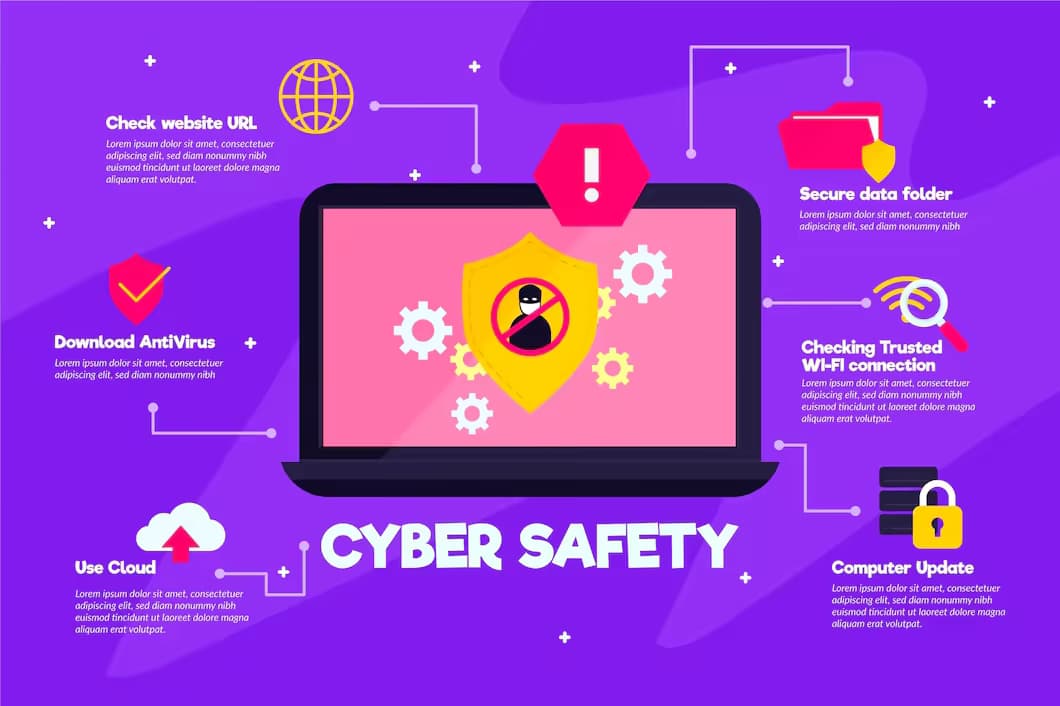
- Protect employees' devices against malware with reliable antivirus software. Keep software and systems updated.
- Use encrypted cloud storage to protect data against intruders.
- Employees should only use secure connections to access company networks. A VPN encrypts data in transit for employees working away from the office.
- Back up important data. Store offline duplicates in case your cloud storage is compromised.
Leverage the Benefits of Employee Insurance
To ensure you get the full benefits of cyberextortion insurance, work with your insurance provider. Their early alert system can prevent a major breach by giving you advance warning of an attack. In addition, cybersecurity expert advice can help you establish incident response procedures. Including cybersecurity insurance in the company's benefit list can be a great opportunity for improving the company's overall cybersecurity posture amid rampant cyberattacks.