A job search is a project, not a feeling. Treat it like one and the timeline shrinks. Treat it like an emotional rollercoaster and you'll spend a year doing what should take three months.
Decide what you actually want
Most candidates start with their CV. That's the wrong end of the problem. Before you write a single bullet, you need three things clear in your head: the kind of work you want to do day to day, the kind of company you want to do it inside, and the salary band you'll accept.
Skip this step and every interview becomes a guess. You'll talk yourself into roles that look fine on paper and feel wrong by month three. The cost of getting this wrong is usually a year of your life — sometimes more.
A useful exercise: write down your last three jobs and underline the parts you'd happily do again. The pattern that emerges is more honest than any career test. For a broader survey of methods, twelve proven methods that actually work in 2026 is a sensible scan.
Build a CV that actually gets read
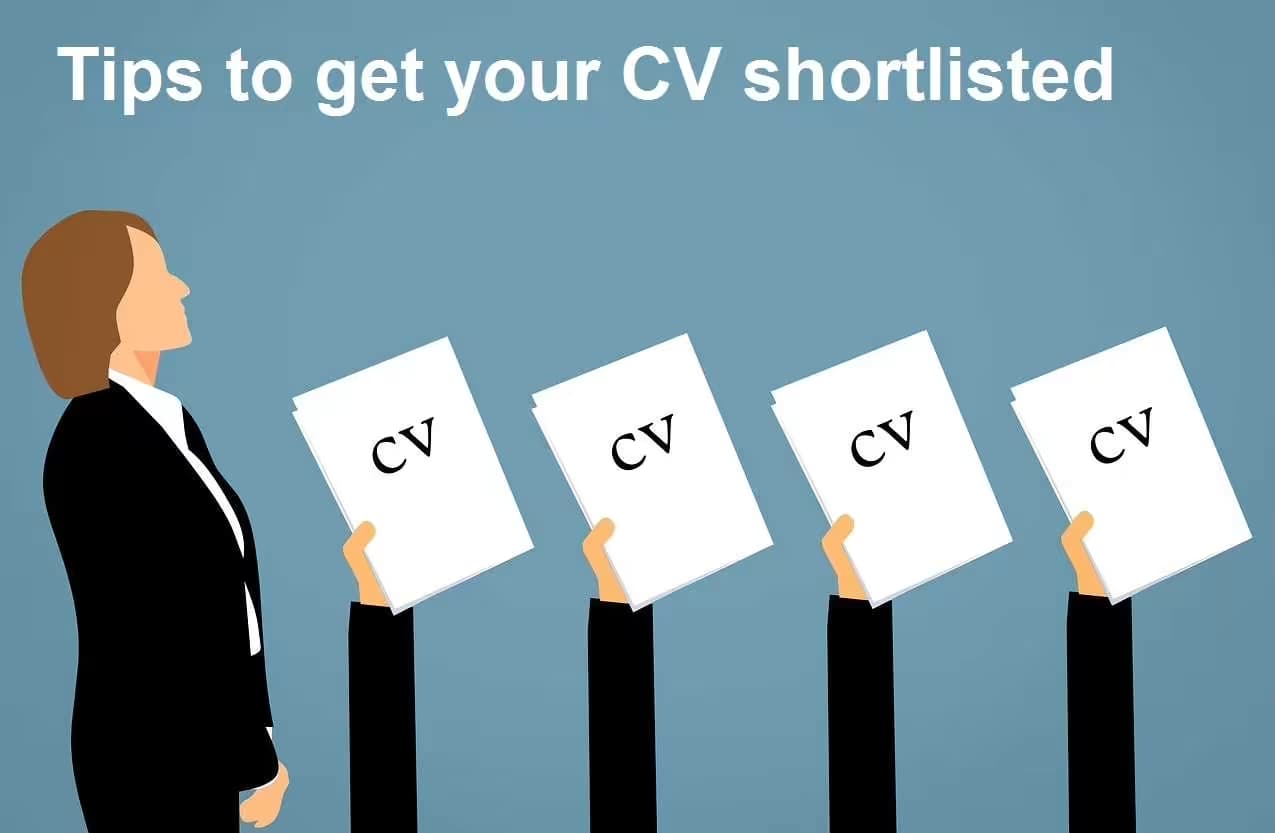
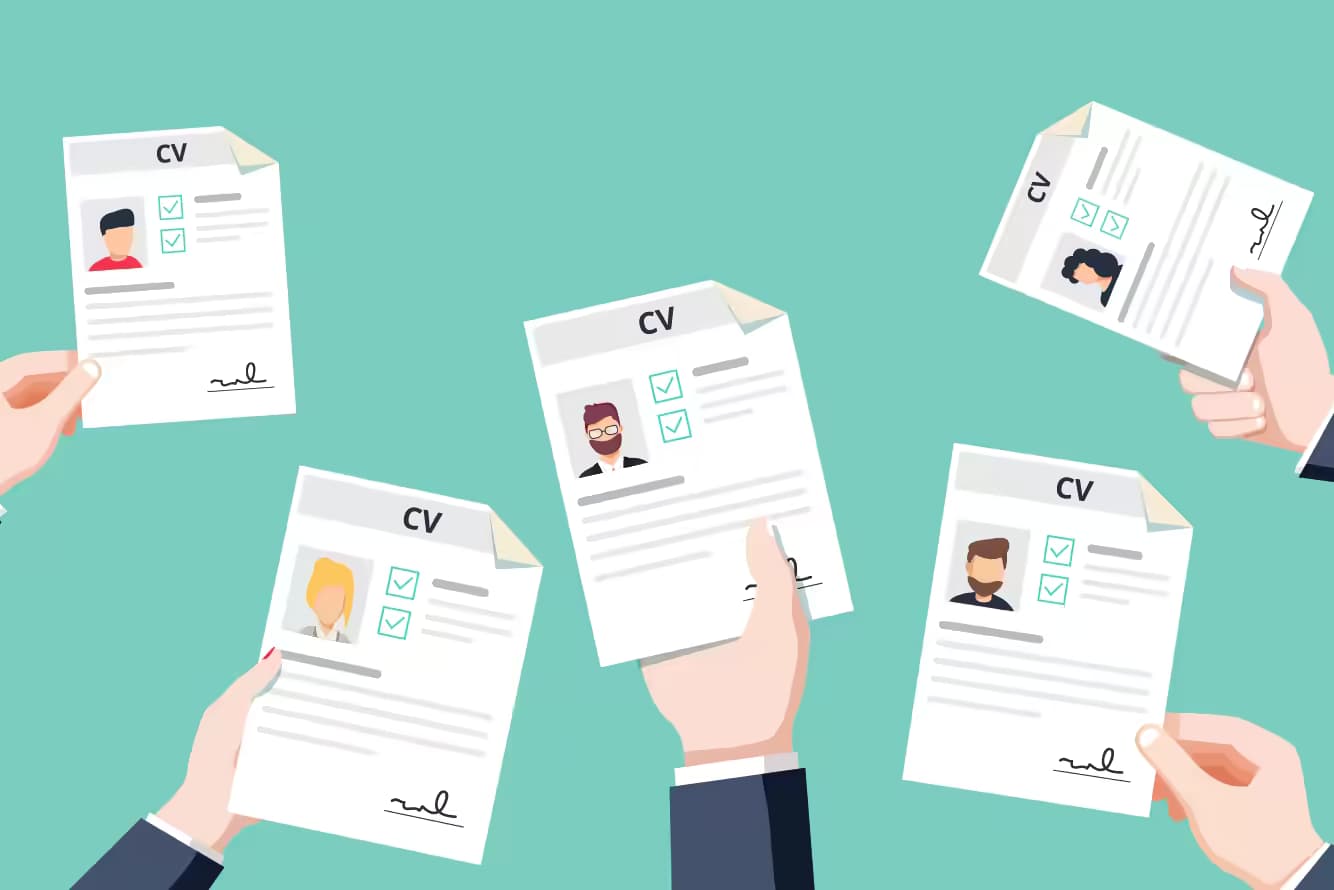
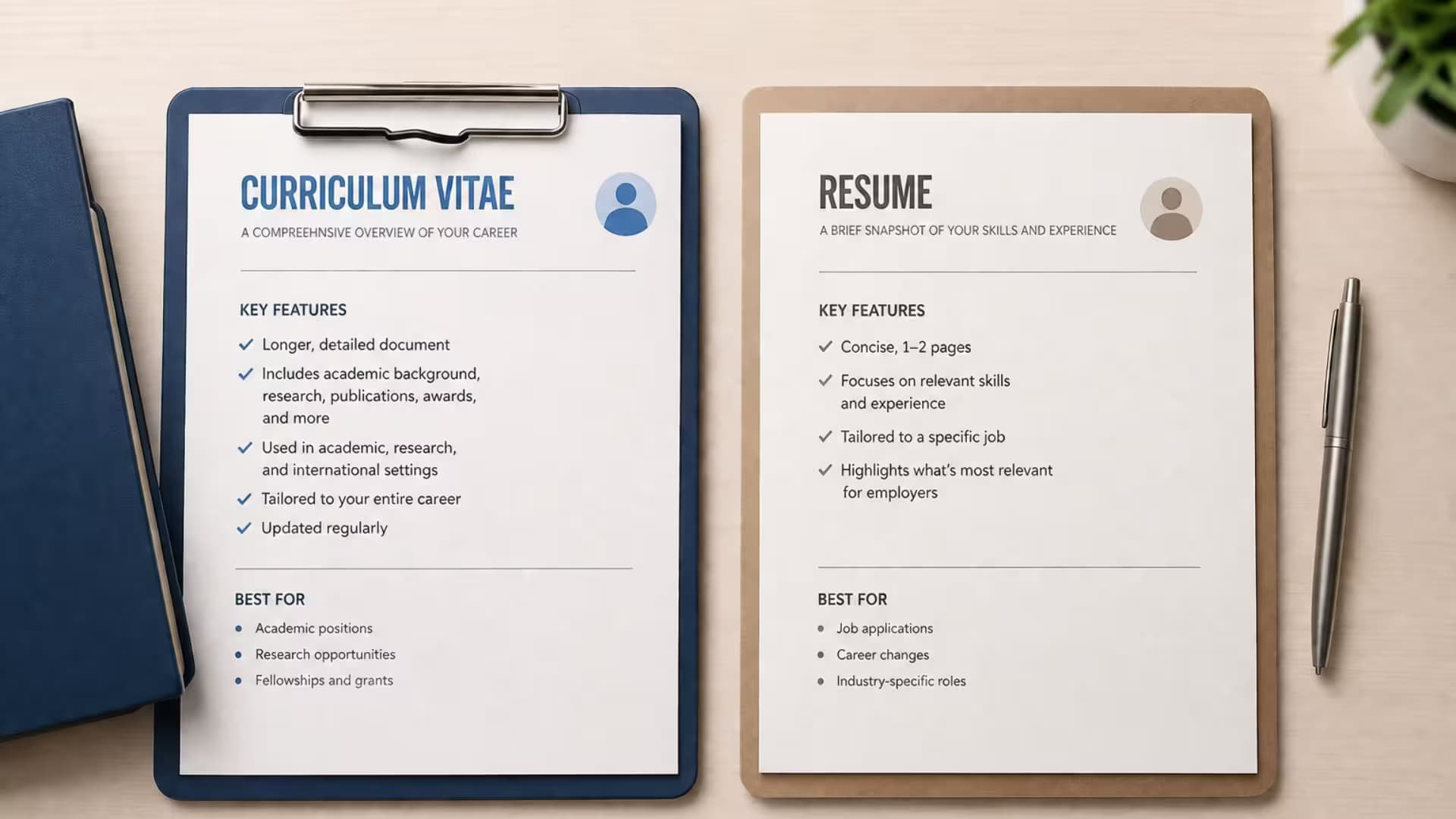
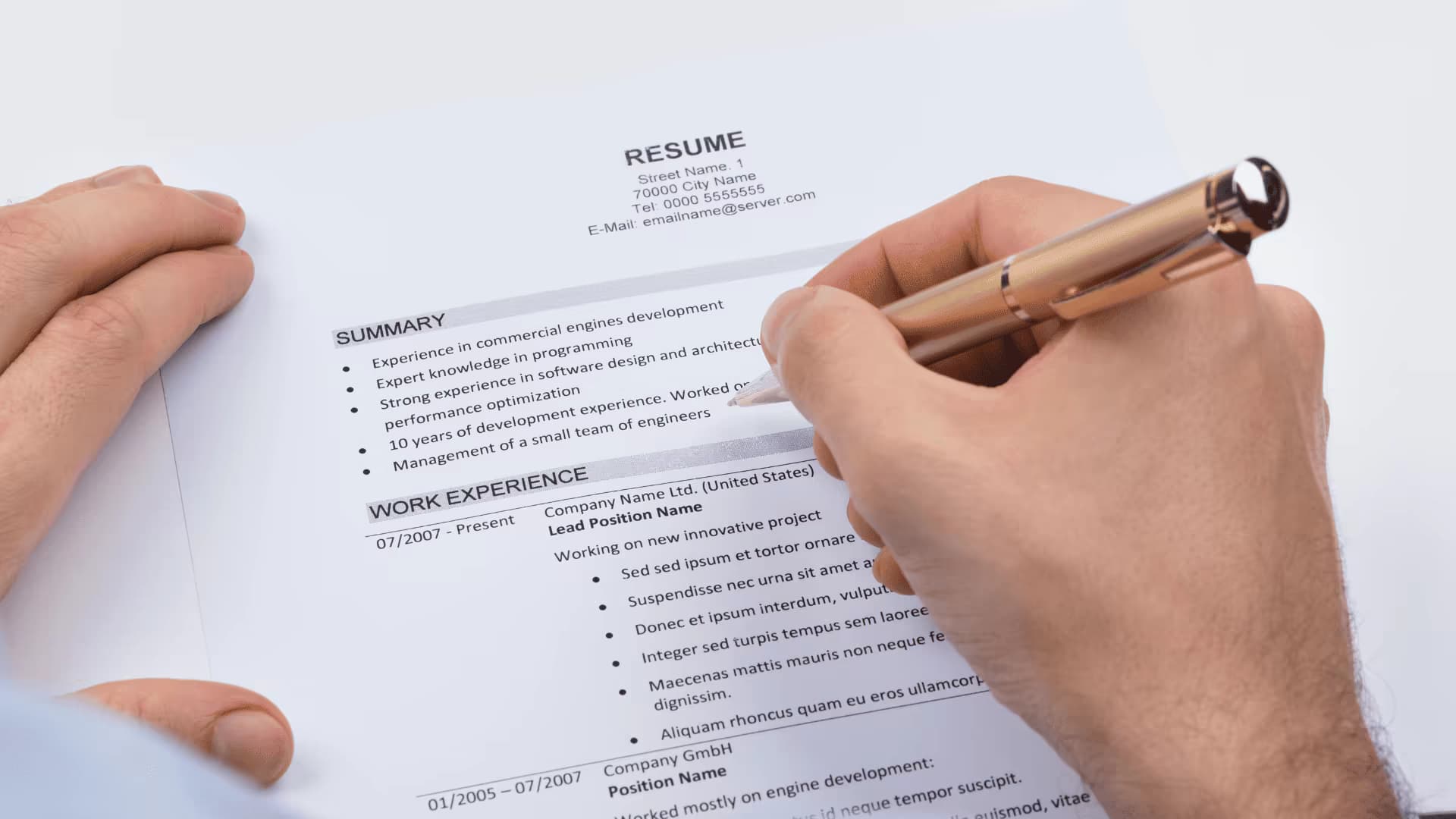
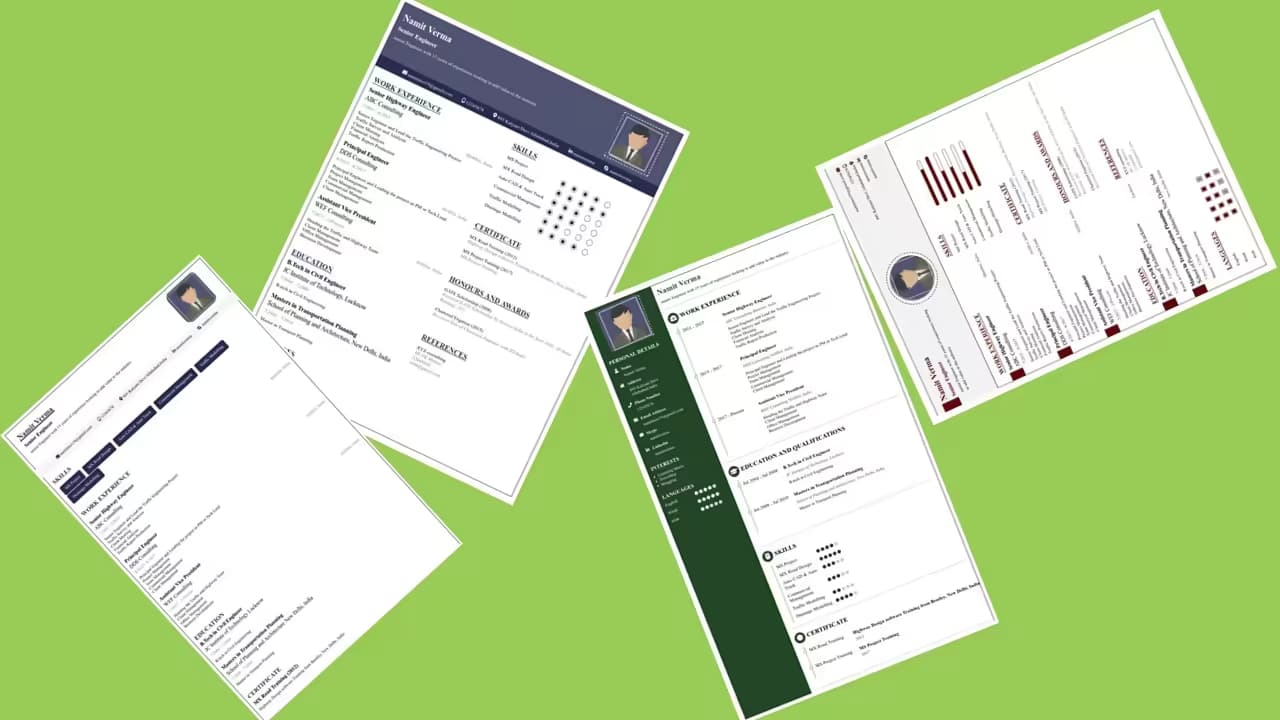
Recruiters spend six to eight seconds on a first scan. Your CV needs to survive that scan and earn a second look. The structure that works in most markets is boring on purpose: name and contact, a two-line summary, then experience in reverse chronological order with achievements rather than duties.
Achievements mean numbers. "Managed the customer support team" tells a recruiter nothing. "Led a team of nine, cut average response time from 18 hours to under 4, kept attrition below 8%" tells them everything.
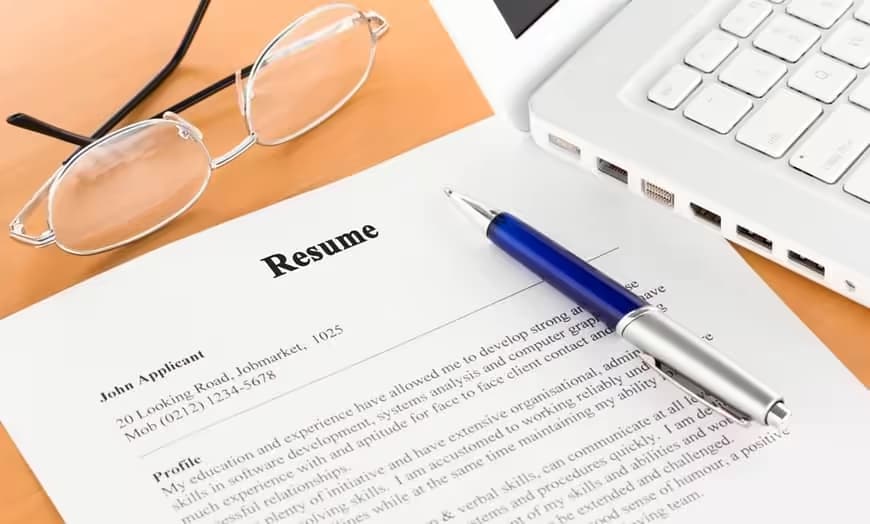
Two pages is the ceiling for almost everyone. One page is fine if you've been working under ten years. If your CV is three pages, you're hiding good work behind volume. The research-backed view of how long a resume should be covers what hiring teams actually scan for.
Apply with intent, not volume
Every application should answer one question for the hiring manager: why you, for this role, now. If you can't answer that in two sentences, don't send the application.
A short, specific cover note attached to a tailored CV will beat a generic blast every time. Tailoring doesn't mean rewriting the document — it means changing the summary, reordering bullets, and matching the language of the job description. The role of keywords in resume optimisation explains why this matters for ATS screens before a human ever sees the CV.
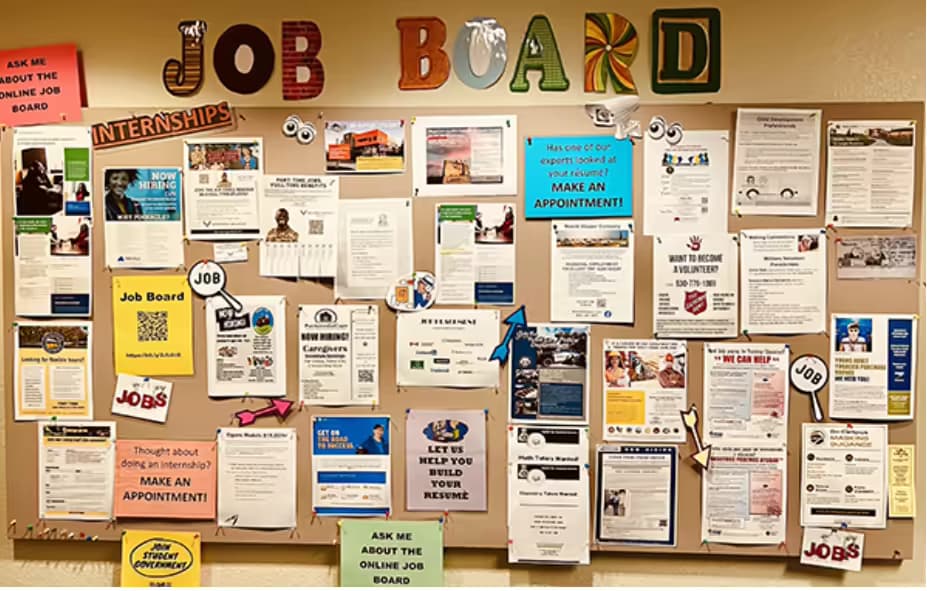
Track what you send. A simple spreadsheet — company, role, date applied, contact, status — saves you from applying to the same role twice or forgetting a follow-up. How to effectively use job boards is worth a read if most of your applications are coming through them.
Interview like a professional, not a hopeful
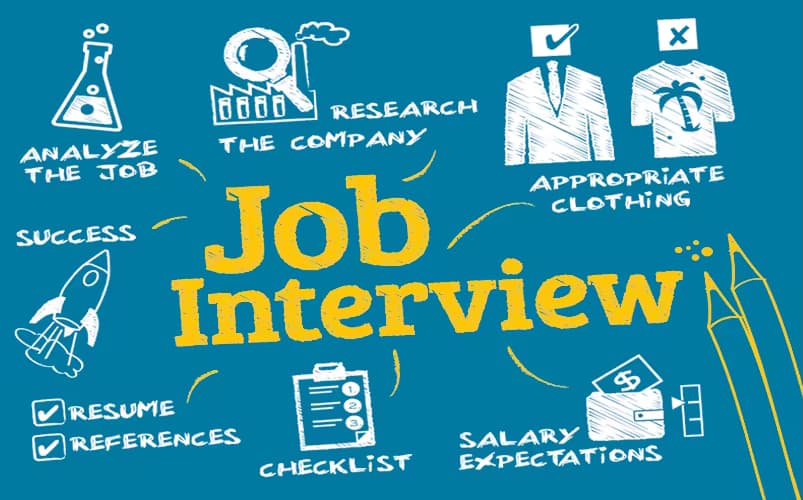
Interviews are a structured conversation about whether you can do the job and whether the team wants to work with you. Most candidates over-prepare for the first part and under-prepare for the second.
Have three or four stories ready that show you solving real problems — using the situation, action, result format if it helps. Practice them out loud. The first time you tell a story is always the worst. Fifteen tips for preparing for a job interview covers the rest of the prep that candidates routinely skip.
Then do something most candidates skip: prepare questions that show you've thought about the role. "What does success look like in the first six months?" beats "What's the company culture like?" every time.
Handling the salary question early
If asked your expectation in a first call, give a range based on market data. If asked your current salary, you can decline politely in most jurisdictions and redirect to the value of the role. Don't anchor yourself to a number you'll regret later. The wider problem of job interview answers to avoid is worth scanning before a high-stakes round.
Negotiate the offer, then plan the first 90 days
When the offer arrives, pause. Thank them, ask for it in writing, and give yourself 24 to 48 hours to respond. Almost no offer is genuinely "today only" — and the ones that are tell you something about the employer.
Negotiate one round, on specifics: base salary, sign-on, vacation, start date, sometimes title. Give a reason for your number. "Based on the scope of the role and what I'm seeing in the market, I'd be comfortable at X" is enough.
Once you sign, the job search isn't over — it's just changed shape. The first 90 days set how the next three years go. Spend the first 30 listening, the next 30 finding small wins, and the last 30 building a plan you can show your manager.
Common mistakes to avoid
- Starting with the CV before deciding what you want
- Applying to fifty roles a week and tailoring none of them
- Treating LinkedIn as your only sourcing channel
- Talking about responsibilities instead of results in interviews
- Accepting the first offer without a single negotiation conversation
Where to go next
A few places to dig in depending on the stage costing you the most time right now:
If your CV is the bottleneck, the evidence-based guide to how a resume is written is the most rigorous starting point.
If you're being ghosted after applying, nine reasons you may not be hired diagnoses the most common patterns.
If interviews are where the search stalls, the guide to situational interview questions covers the format most candidates underprepare for.
For the broader strategy side, job search tips: everything you need to know pulls the pieces together.
And once the offer arrives, LinkedIn profile tips for job seekers is the small upgrade that keeps the next search shorter than this one.
Get more guides like this
One email a week with the latest HR guides, frameworks, and templates. Unsubscribe anytime.
























































































































.avif&w=3840&q=75)




.avif&w=3840&q=75)
.avif&w=3840&q=75)




.avif&w=3840&q=75)




![10 signs that your job interview went well [and 5 Bad signs]](/_next/image?url=https%3A%2F%2Fthehubbackend.com%2Fmedia%2F91515-How%2520Introverts%2520Nail%2520Job%2520Interviews.avif&w=3840&q=75)


.avif&w=3840&q=75)