Recruitment is one of the most expensive and consequential things an employer does — and one of the most commonly underinvested. A bad hire at a mid-level role costs roughly 6 to 9 months of that role's salary once you factor in lost productivity, management time, and a refilled vacancy. A great hire compounds for years.
This guide is the long-form companion to our recruitment articles. Use it to align your team on a shared model of how hiring should work; use the linked articles to go deeper on any single stage.
The recruitment lifecycle at a glance
Strong recruitment processes share the same backbone, regardless of industry or company size:
- Workforce planning — what roles do we actually need, and when?
- Job design — what are we asking this person to do, and what does success look like?
- Sourcing — where will we find candidates, and how will they hear about us?
- Screening — how do we narrow many applicants to a shortlist, fairly and quickly?
- Interviewing and assessment — how do we evaluate candidates against the scorecard?
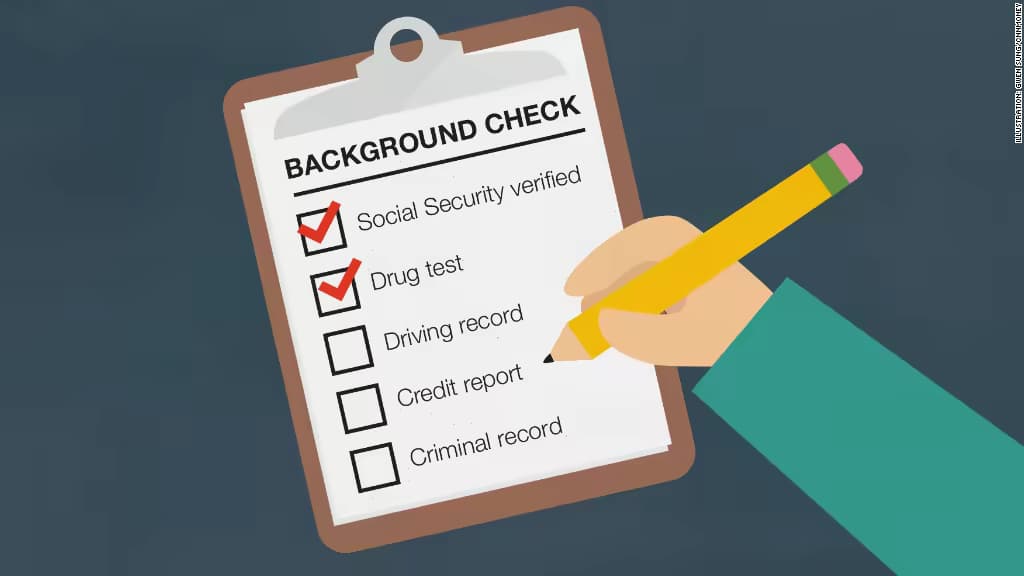
- Reference and background checks — what are we verifying, and how?
- Offer and negotiation — how do we close the candidate we want?
- Onboarding — how do we set this person up to succeed in their first 90 days?
Most recruitment problems trace back to one or two of these stages being skipped or rushed. The companies that hire well almost always have a clear, repeatable process — not a clever sourcing trick. For a wider survey of the recruitment and selection methods every manager should know, the methods overview is a useful complement.
Workforce planning: hiring before the vacancy
The best time to think about a role is before you need to fill it. Workforce planning is the discipline of mapping headcount to strategy: what capabilities does the business need over the next 12 to 24 months, and where are the gaps?
Done well, workforce planning means:
- Recruitment is proactive, not reactive — you build a pipeline before the vacancy hits.
- Hiring managers and HR agree on what a role is before it's posted.
- Budget conversations happen once a year, not once a vacancy.
In smaller organisations this can be as light as a quarterly conversation between the HRBP and the head of department. In larger ones it's a formal exercise tied to the annual operating plan. Supply and demand's impact on workforce planning explains why this exercise tends to be the difference between hiring deliberately and hiring under pressure.
Job design: define success before you advertise
Most rejected candidates aren't rejected because they're weak — they're rejected because the job description didn't match the actual job. A well-designed role has three elements:
Outcomes, not duties
A job description that lists 14 duties tells a candidate what they'll do. A scorecard tells them what they'll achieve. The difference is whether your interview process can be objective. The mechanics of writing one are covered in how to prepare a job profile.
A realistic must-have list
Inflating must-haves shrinks your applicant pool and slows everything down. If "5 years of experience" is really "can do the job from day one," say that — and consider whether someone with 3 years and a strong track record qualifies.
Compensation aligned with the market
A salary bracket that's 20% below market means three months of unfilled vacancy and a counter-offer at the end. Build the bracket from data, not the previous incumbent's salary.
Sourcing: where good candidates actually come from
In most healthy recruitment funnels, the largest single source of hires is referrals — followed by direct sourcing (LinkedIn, internal databases) and only then job boards. This matters because most companies invest backwards: heavy on job boards, light on referrals.
Employer branding is part of sourcing
When a candidate sees your role posted, they're going to look you up. Your website, your LinkedIn page, and what current employees say in public are all part of the funnel. If your last news post is from 2022, you've already lost a percentage of qualified candidates.
Internal mobility first
Before you post externally, ask: who already works here who could do this? Internal hires onboard faster, retain longer, and signal to everyone else that the company invests in people. Make this the default question, not the afterthought. The complete guide to internal recruitment covers how to operationalise this without making it a political minefield.
Screening and interviewing: a fair, repeatable filter
The screening stage is where most processes leak the most candidates and the most goodwill. Two principles separate strong processes from weak ones.
One scorecard, multiple interviewers
Every interviewer evaluates the same competencies, scored independently before the panel meets to discuss. This is the single biggest upgrade most companies can make to their hiring quality — it surfaces disagreements that "gut feel" rounds bury. The STAR interview method is a good baseline structure for behavioural rounds.
Time-to-feedback is part of the candidate experience
A candidate who waits two weeks for feedback after a final interview has often already accepted somewhere else. If your process can't deliver decisions within 5 working days of the final round, you'll lose your top choices systematically.
Offer and negotiation: closing the candidate
A verbal offer that sits unconfirmed for three days is a candidate getting a counter-offer from their current employer. Move fast, and put the offer in writing the same day.
When negotiating:
- Anchor on the total package, not just base salary — benefits, leave, growth path, flexibility.
- Know your walk-away number before the conversation.
- If you can't meet a candidate's expectation, say so directly. Stringing them along damages your brand.
For the verification step that precedes the offer, the reference check on employees guide covers what to actually ask and what most companies skip.
Onboarding: the most under-resourced part of recruitment
Recruitment doesn't end at the signed offer. It ends, at minimum, at the 90-day mark — when the new hire is independently productive in the role.
A strong onboarding process has three layers:
- Day one logistics — laptop, email, building access, payroll, introductions.
- First 30 days structure — a clear list of who to meet, what to read, what to deliver.
- First 90 days outcomes — concrete, measurable things the new hire is expected to ship.
The companies that retain talent invest as heavily in the first 90 days as they do in sourcing. The breakdown of the four phases of onboarding is a useful map for designing this.
Common recruitment mistakes to avoid
- Posting a role before the scorecard is agreed. You'll re-interview the same candidates against changing criteria.
- Treating the job description as a wish list. Every "nice to have" filters real candidates out.
- Letting one interview round drag the process. Schedule all rounds upfront — don't book sequentially.
- Skipping reference checks because the candidate "feels right." References are cheap insurance.
- Forgetting candidates who weren't hired. A respectful "no" today is a yes-eligible candidate next year.
Where to go next
Each stage above deserves its own deep dive. A few places to begin depending on where the process is breaking down:
If your funnel is leaking at the top, the top recruiting strategies guide covers the moves most companies under-use.
If your interviews are noisy and decisions feel arbitrary, the case for psychometric tests is worth the read before your next senior hire.
When the role is hard to fill or scarce in the market, the talent sourcing playbook gives you a starting framework.
For hiring-manager hygiene, six recruitment mistakes and how to avoid them is the shortest path to spotting your own pattern.
And if you're rebuilding the broader strategy rather than fixing a stage, the talent strategy guide is the better starting point.
Get more guides like this
One email a week with the latest HR guides, frameworks, and templates. Unsubscribe anytime.














































































































































.avif&w=3840&q=75)