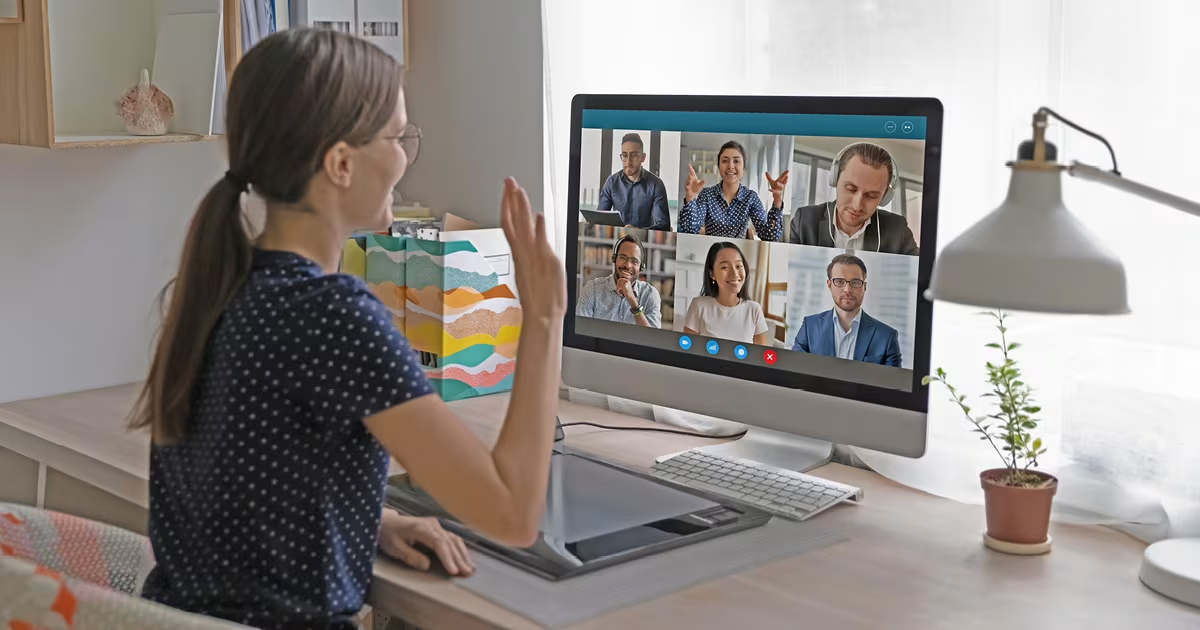
People leaders adapting to hybrid schedules are trading rigid commercial leases for flexible workspaces that support collaboration and team growth.
You have probably walked past rows of empty desks on a Friday afternoon while paying top dollar for square footage nobody uses. Rigid, multi-year office leases rarely match fluctuating hybrid attendance or sudden shifts in your headcount.
Smart HR and operations leaders are stepping away from inflexible commercial contracts. By shifting toward agile workspace models, you give your team meaningful places to gather while keeping your real estate budget nimble.
Why Do Hybrid Teams Struggle Under Traditional Office Leases?
Fixed 5-year or 10-year leases force your company to guess future headcount in an unpredictable market. When half your workforce works remotely on Mondays and Fridays, vast stretches of your headquarters sit dark while utility and maintenance bills keep climbing. Midweek surges then create the opposite headache, leaving employees scrambling for quiet phone booths and open conference tables.
The spatial mismatch feeds directly into remote-work isolation. Commuting to a half-empty floor drains morale and leaves newer hires without spontaneous coaching from senior teammates. Meanwhile, employees working from spare bedrooms miss out on casual hallway conversations that spark trust and creative problem-solving.
How Can Multi-Location Workspaces Bring Distributed Staff Together?
Remote isolation fades quickly when your employees can meet in well-equipped neighborhood hubs close to home. Exploring business workspace options at BLOCK lets your distributed staff book professional desks and collaborative suites across multiple locations without enduring exhausting cross-town commutes. Your project teams gain reliable spaces for whiteboarding sessions, client pitches, and quarterly sprints whenever virtual calls hit a wall.
On-demand meeting rooms transform office days from mandatory desk attendance into purposeful gatherings. Instead of asking staff to commute just to sit on video calls, you empower managers to reserve tailored project rooms for workshops, onboarding days, and team retrospectives. Everyone shows up with clear goals and leaves with stronger working relationships.
Aligning Your Workspace Footprint With Variable Headcount
Rapid hiring bursts, seasonal projects, or departmental restructuring often leave fixed offices either cramped or wasteful. Research from JLL shows that only 3% of global corporations use flexible space for more than 10% of their real estate portfolios, while 42% assign 1% or less of their staff to flexible setups. That low adoption rate gives your organization a clear competitive edge when you embrace scalable memberships early.
Flexible workspace agreements protect your balance sheet from heavy upfront capital lock-in. You avoid sinking cash into custom construction, ergonomic furniture fleets, and long-term security deposits. Your leadership team keeps capital liquid for talent acquisition, learning programs, and core product growth.
Building an Agile Real Estate Playbook for People Leaders
Transitioning from a single headquarters to a flexible network works best when you pair attendance data with clear team guidelines.
Auditing Weekly Attendance Patterns
Review badge swipes, room reservation logs, and team sprint calendars across a full quarter. You will quickly spot which days draw peak collaboration and which days belong to deep solo focus at home.
Matching Space Types to Daily Workflows
Map your recurring team rituals to specific room formats before buying memberships. Brainstorming sessions thrive in open studio layouts with writable walls, while finance and legal reviews require private, soundproof suites.
Practical Ways to Right-Size Your Portfolio
Use these 4 steps to balance central culture with regional flexibility:
- Keep a lean hub: Maintain a smaller central office for executive briefings, brand showcases, and daily operations staff.
- Layer regional day passes: Provide distributed employees with monthly coworking credits so they can work alongside peers near home.
- Book quarterly sprint suites: Reserve large project rooms on demand whenever cross-functional teams launch major initiatives.
- Review utilization every quarter: Scale membership tiers up or down using real attendance data rather than multi-year forecasts.
How Do Hospitality-Led Workspaces Support Employee Wellbeing?
Modern flexible workspaces borrow heavily from boutique hospitality to make commuting feel rewarding rather than obligatory. Abundant natural daylight, ergonomic seating, quiet wellness rooms, and stocked coffee bars help your staff stay comfortable and focused throughout the workday.
Dedicated onsite hospitality teams handle front-desk reception, audiovisual setup, and catering logistics so your employees can concentrate on meaningful work. Removing everyday workplace friction lowers burnout and turns in-person days into restorative breaks from isolated home routines.
Turning Coworking Communities Into Talent Advantages
Shared workspaces surround your employees with professionals from diverse industries, sparking fresh perspectives and organic networking. Curated member lunches, wellness workshops, and casual social hours build a welcoming community fabric that isolated home offices simply cannot match.
Top job candidates notice when you invest in inspiring, flexible environments that respect their time and autonomy. Offering access to well-located hubs strengthens retention and signals that your workplace culture values genuine human connection.

Rethinking your office lease does not mean abandoning in-person company culture. Flexible workspace memberships give you the freedom to bring people together with intention while keeping your real estate commitments light and adaptable.
When you align physical spaces with how your teams actually work, everyone wins. Your finance team avoids rigid multi-year traps, and your employees gain energizing places to connect, collaborate, and thrive.