When an unexpected accident occurs on your job site, your immediate response shapes the entire recovery journey for your injured team member. Human resources and risk management professionals now establish modernized incident response workflows to support healing employees while protecting business operations from costly disruptions.
Moving beyond rigid paperwork allows your organization to build clear pathways back to meaningful work. By balancing structured medical care with transparent communication, you safeguard both your corporate culture and your bottom line.
How Do You Streamline Immediate Incident Documentation?
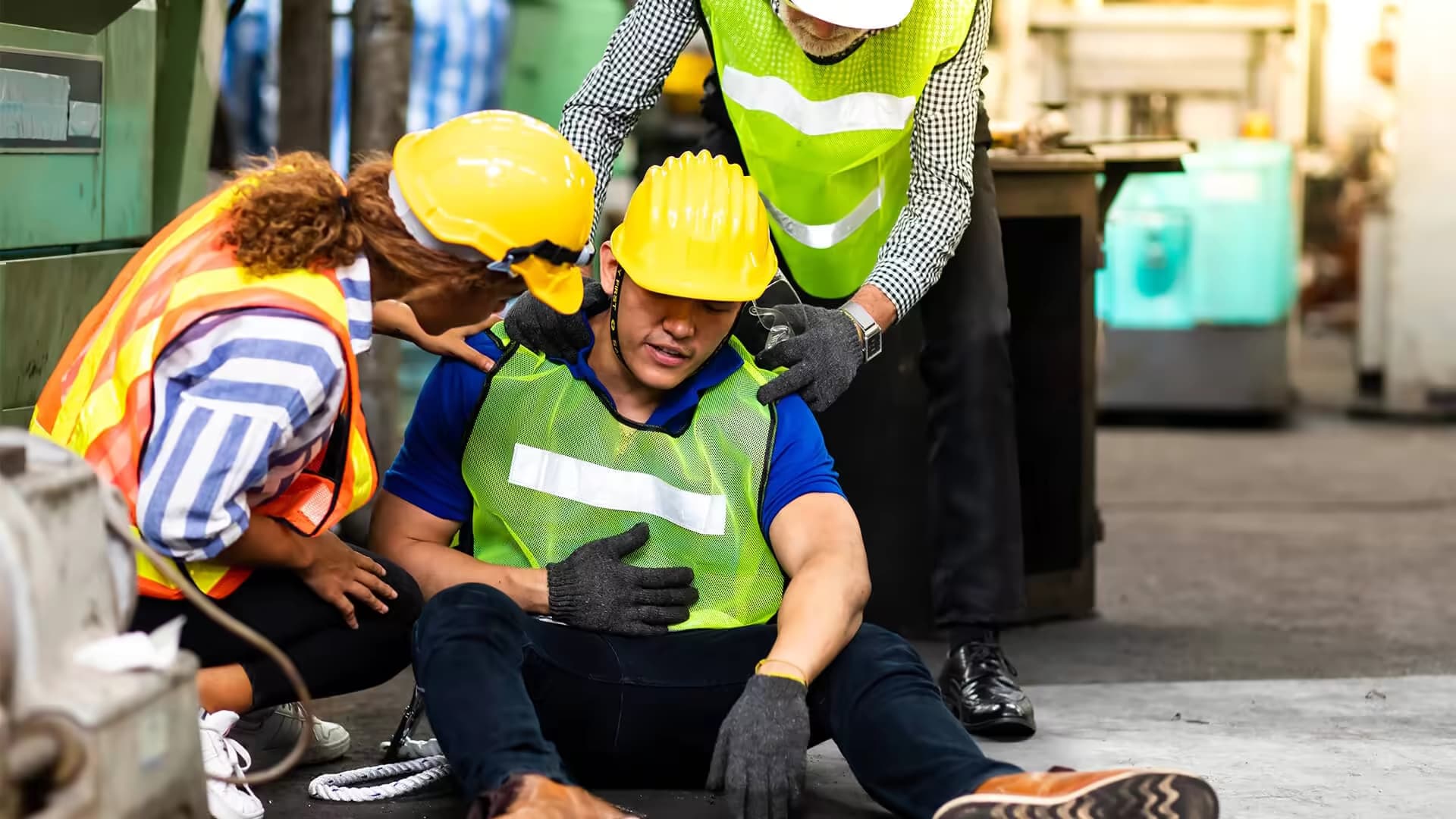
Your supervisors must capture accurate incident details the moment a physical injury occurs. Rapid witness interviews, clear scene photographs, and precise incident logs preserve critical facts before details fade. When your team documents physical evidence right away, you eliminate guesswork for insurance adjusters and occupational physicians.
Research from TrendHR indicates that postponed incident filing inflates healthcare expenses and strips leadership of the ability to guide early clinical treatment. Immediate reporting establishes a constructive tone, proving to your staff that their physical recovery remains your top priority. You gain the operational visibility required to implement corrective safety measures across your facility without delay.
How Do You Navigate Third-Party Liability?
Complex workplace incidents rarely happen in complete isolation. Outside contractors, defective machinery suppliers, or delivery drivers often introduce hazards that standard company safety audits cannot predict. Identifying every responsible entity helps your business pinpoint root causes and prevents future accidents.
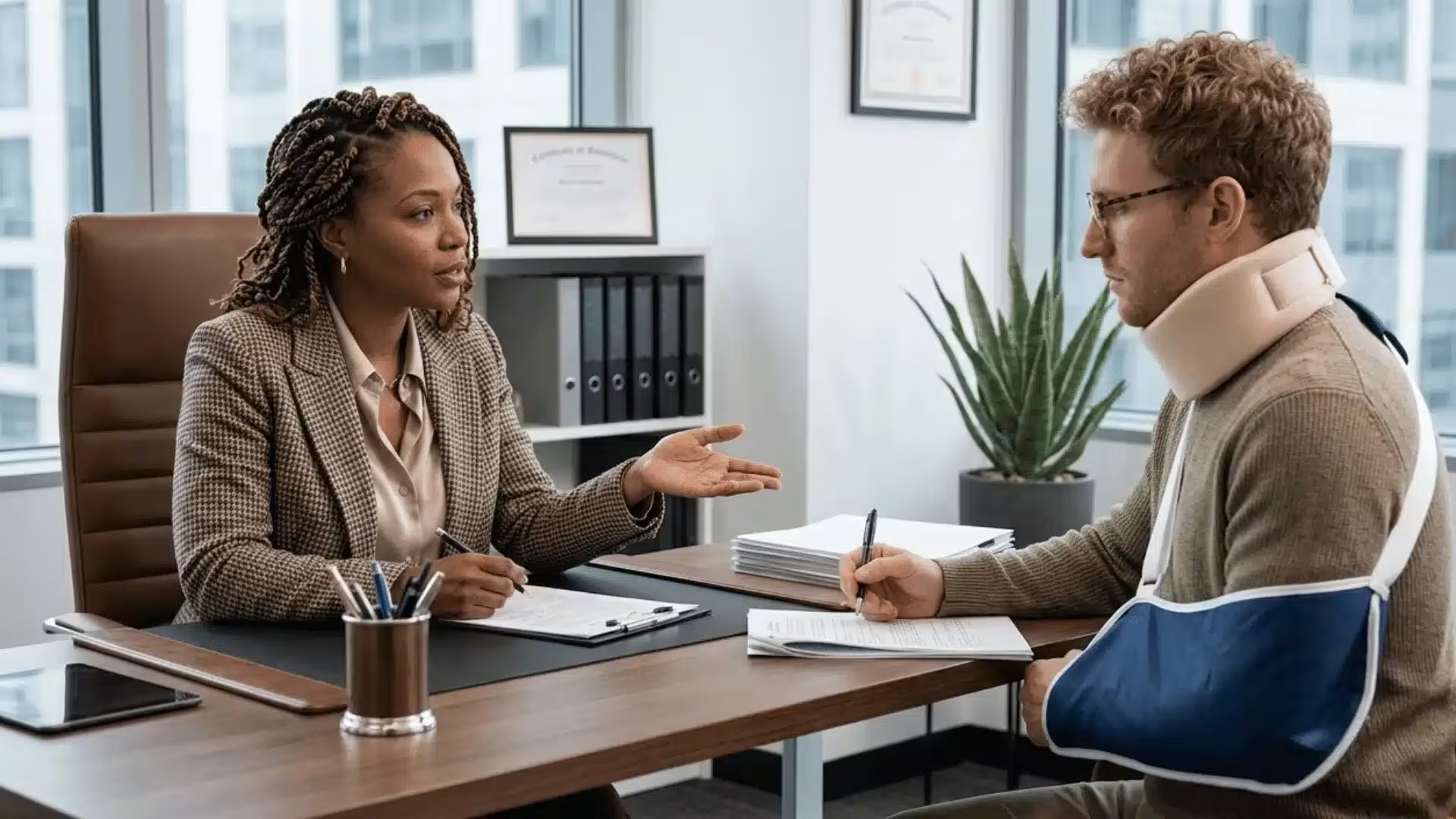
Serious job site accidents frequently involve external parties whose negligence creates complicated legal disputes. While internal safety teams review company protocols, contacting a qualified Laredo personal injury attorney gives injured workers in southern Texas an objective assessment of potential third-party liability claims. This outside legal verification helps clarify whether damages extend beyond statutory workers' compensation benefits. Your risk managers can navigate claims discussions cleanly while your employee secures fair representation for extensive losses.
Why Do Workplace Incidents Carry Staggering Indirect Costs?
Direct medical expenses and workers' compensation payouts represent only a fraction of your real financial exposure. When an experienced employee leaves the floor because of an injury, production slows down, and team morale takes an immediate hit. Overtime hours rise quickly as other team members step in to fill the operational gap.
A comprehensive review by WorkNest reveals that annual workplace injuries and incident-related health conditions generate approximately £22.9 billion in financial burdens across businesses, workers, and public services. Indirect losses from administrative delays, retraining programs, and damaged equipment multiply quickly. Building proactive recovery plans controls these runaway expenses and keeps your organization productive.
Building Clear Communication Channels
Maintaining open dialog with your recovering staff removes anxiety and establishes clear expectations. Injured workers who feel ignored often develop feelings of resentment that delay physical healing. Regular, supportive check-ins show your workforce that management values their contribution beyond daily output.
Structured Touchpoints During Recovery
Your human resources team should coordinate scheduled updates between medical visits to track healing milestones. These conversations provide a platform to address employee concerns about salary continuation, modified duties, and medical evaluations. Clear guidance eliminates confusion and builds mutual trust between staff and management.
Practical Checklists for Case Managers
Case managers can keep rehabilitation on track by executing distinct steps at every stage:
Schedule weekly calls: Regular telephone conversations keep workers connected to company culture and current projects.
Review functional limitations: Medical notes clarify exact lifting restrictions, sitting limits, and necessary physical adjustments.
Coordinate team coverage: Department heads reallocate responsibilities early so returning staff avoid excessive pressure.
What Does Sustainable Physical Accommodation Look Like?
Transitional assignments must respect physician guidance while offering genuine business utility. Assigning arbitrary tasks creates frustration and makes workers feel marginalized during their recovery. Meaningful transitional work keeps employees engaged and accelerates their physical reconditioning.
Ergonomic workstations, modified schedules, and flexible rest intervals reduce physical fatigue for returning team members. Supervisors should evaluate workstation setups directly and implement adaptive tools before the employee starts their shift. Ongoing reviews confirm that healing workers do not aggravate previous injuries while rebuilding their stamina.
Protecting Worker Rights Through Transparent Policies
Your return-to-work program functions best when employees understand their legal protections and procedural rights. Written policies should outline how your company handles injury claims, wage replacement, and reasonable accommodations under federal and state rules. Clear operational boundaries prevent misunderstandings that could lead to formal grievances.
Non-retaliation commitments give employees confidence to report accidents without fearing negative career repercussions. When workers trust company leadership, they cooperate openly with medical teams and return-to-work coordinators. This transparent dynamic protects your company culture and promotes long-term workforce retention.

Source
Structured workplace recovery workflows protect your workforce and streamline operational transitions after unexpected accidents. Open dialogue, comprehensive documentation, and flexible accommodations keep employees grounded in your company culture throughout their healing journey.
While clear internal programs support everyday rehabilitation, independent legal guidance remains indispensable when catastrophic incidents involve complex third-party liability. Prioritizing worker health alongside transparent administrative processes creates a resilient, fair workplace where everyone thrives.