You can tell a lot about a workplace before anyone even says a word. Some offices feel draining the moment you walk in. The air feels stale, chairs creak under tired backs, and every conversation seems to travel across the room. In others, people settle into their work without fighting the environment around them. Don’t underestimate how much of a difference this can make.
Employees who are physically comfortable for most of the day spend less energy coping with distractions and more energy contributing to great work that drives the business forward.
Thermal comfort improves focus
Most people don't notice a comfortable temperature. But they do notice when it's uncomfortable.
Think about the employee who keeps a sweater draped over their chair in July because the air conditioning blasts directly onto their desk. Or the team member who loses concentration every afternoon when their sun-swept workstation near the window turns stuffy. These frustrations seem minor in isolation, yet they pull attention away from the task at hand over and over again.
A workplace with steady temperatures and good airflow removes that background irritation. Instead of adjusting layers, moving desks, or complaining about the heat, employees can remain absorbed in their work for longer stretches. That uninterrupted attention can be the difference between simply getting through a task and doing it well.
Insulation upgrades reduce stress
The best workplaces don’t feel chaotic, even when people are very busy.
Good insulation can help to create and maintain that sense of calm. It reduces sudden temperature fluctuations and limits the sounds that leak from meeting rooms, corridors, and busy streets outside. Without those constant interruptions, employees don't have to repeatedly reset their concentration throughout the day.
Consider an office located beside a main road. Traffic noise may not seem overwhelming at first, but hearing it every few minutes can become mentally exhausting. Effective insulation softens those distractions and creates a more predictable environment. People often leave work feeling less drained when the environment itself does less competing for their attention.
Ergonomic spaces boost morale
Physical discomfort has a way of changing attitudes.
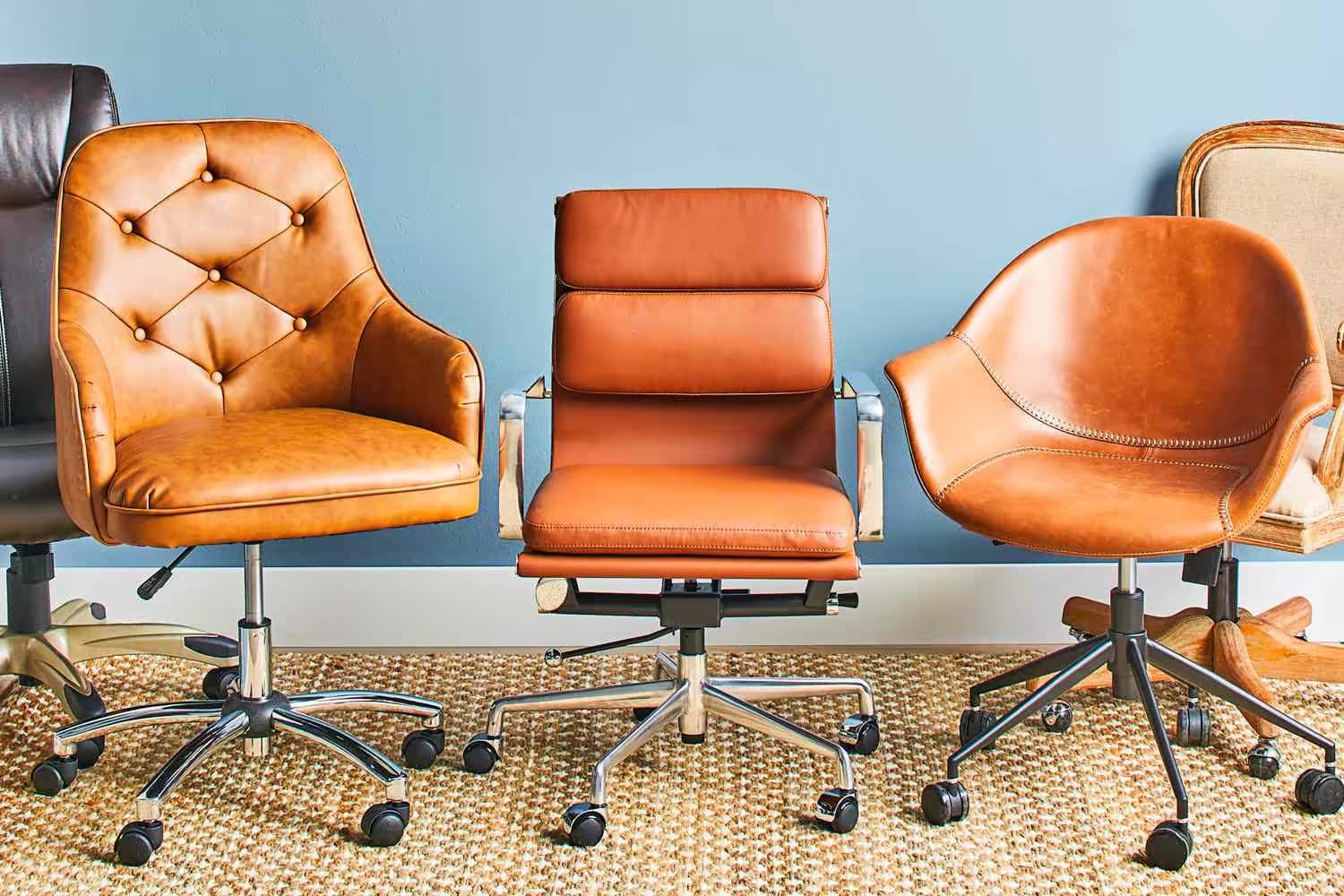
An employee who spends eight hours constantly shifting in an unsupportive chair rarely finishes the day in the same frame of mind as someone who can work comfortably. Small aches in the neck, shoulders, or lower back build frustration that follows people into meetings and conversations.
Review workstations from the employee's perspective rather than the facilities team's perspective. A monitor positioned at the correct height, a desk that suits the user's needs, and seating that supports posture all make daily work feel less demanding.
An ergonomic setup can help people finish the day with more energy left in the tank, and they’ll often bring a more positive outlook to the workplace too.
Lighting impacts mood and energy
Few workplace features influence people as subtly as lighting.
Natural-style light helps employees stay alert without the harshness that often comes from poorly planned artificial lighting. By contrast, dim corners and glaring overhead fixtures can make even straightforward tasks feel more tiring than they should.
Employees who spend hours reviewing documents, analyzing data, or working on detailed designs benefit from lighting that supports rather than hinders their efforts. Better visibility reduces eye strain, while a brighter environment often feels more welcoming and uplifting throughout the working day.
Quiet zones encourage deep work
Not every task benefits from constant interaction.
Writing a proposal or preparing a final financial forecast requires a level of concentration that open-plan offices don't always provide. Even a brief interruption can break a person's train of thought and extend a task far beyond the time it should take.
Set aside dedicated areas where employees can work without the expectation of conversation. These spaces give people permission to focus fully on demanding tasks. Greater productivity is a major plus, but employees also often gain a stronger sense of accomplishment when they have the time and space to produce work they're genuinely proud of.