Most people look for work the wrong way. They spend hours scrolling job boards, sending out dozens of applications, and hearing nothing back. It feels productive. It isn't.
A major meta analysis published in the Journal of Applied Psychology pulled together 378 studies covering nearly 166,000 job seekers. The researchers found that simply increasing the number of applications you send out only modestly predicts whether you'll get hired (rc = .19 for employment status). In plain terms: blasting out resumes is one of the least effective things you can do.
So where should you actually look? And what methods produce the best results? This article breaks down 12 places to find a job, ranked and explained using the best available evidence. No fluff, no recycled advice. Just what the research shows works.
The Numbers Behind How People Actually Get Hired
Before getting into specific places to look, it helps to understand how hiring actually works. The picture is not what most people expect.
According to Jobvite, referred candidates get hired at a rate of about 30%, compared with roughly 7% for people who apply through other channels. Referrals only make up about 7% of total applicants, yet they account for a massive share of hires.
The claim that 70 to 80% of jobs are never publicly advertised has been repeated for decades. The exact figure is hard to verify because no rigorous peer reviewed study has pinpointed it. But even skeptical analysts who challenge that number still acknowledge that over 70% of employers begin their search internally and within their networks before posting anything publicly.
The practical takeaway: if you only apply to advertised jobs, you are competing for a fraction of available roles through the most crowded channel possible.
1. Your Existing Network
Networking is the single most effective way to find work, and the evidence has been consistent on this for decades.
A longitudinal study by Wolff and Moser tracked professionals over several years and found that networking behaviors predicted both salary growth and career satisfaction. This was not about schmoozing at cocktail parties. It was about building genuine professional relationships that created information advantages during job searches.
Research on recruitment sources shows that employees hired through informal channels like networking tend to have more positive work attitudes and better person job fit than those hired through formal channels. When someone in your network tells you about a role, they give you the inside story on what the job is really like. That leads to better matches.
What to do: Contact former colleagues, university classmates, and professional acquaintances. Tell them specifically what kind of role you are looking for. People cannot help if they do not know what you need. Make this a regular habit, not a one off exercise.
2. Employee Referral Programs
About 84% of companies worldwide now run employee referral programs. Industry data shows that referred candidates are roughly five times more likely to be hired than people who apply through job boards. The hiring process is also faster: referral hires take about 29 days to close, compared with 39 to 55 days for candidates sourced through job sites.
Referred employees also tend to stay longer. Retention data shows that 46% of referred hires remain with their employer beyond the initial period, compared with 33% for job board hires. Companies like Salesforce fill over 40% of their roles through referrals.
What to do: Identify companies you want to work for. Then look through your LinkedIn connections for anyone who works there. Ask them about open roles and whether they would submit your name through the company referral program. Many employees are glad to do this because they earn a bonus when their referral gets hired.
3. LinkedIn
LinkedIn has more than 900 million users globally, and over 90% of recruiters use it to search for candidates. It works as both a job board and a networking platform, which sets it apart from traditional job sites.
What makes LinkedIn especially useful is that it lets recruiters find you. When your profile includes specific skills and accomplishments, recruiters can discover you through keyword searches even when you have not applied for anything. A CareerBuilder survey found that 70% of employers actively research candidates through social media, with LinkedIn being the primary platform.
What to do: Treat your LinkedIn profile like a searchable resume. Use specific job titles and skills as keywords. Post content about your area of work occasionally. Engage with posts from people in your target industry. This signals to recruiters that you are active and engaged in your field.
Related: Social Media Recruitment Strategies That Work and Why
4. Niche and Industry Specific Job Boards
General job boards like Indeed and ZipRecruiter cast a wide net, but niche job boards often produce better results for specialists. These are platforms dedicated to specific industries, like Dice for technology, Mediabistro for media, or Idealist for nonprofit work.
Research on online job search strategies found that exploratory approaches using multiple sources, including niche platforms, led to more offers. Meanwhile, haphazard strategies with no focus actually reduced satisfaction and outcomes. Niche boards attract employers who are serious about filling specific roles, which means less competition and better matching.
5. Company Career Pages Directly
Many companies post jobs on their own websites before they appear on aggregator sites, and some never cross post at all. Going directly to the source has a practical advantage: you see roles first, and you can learn about the company culture, benefits, and team structure from the careers page itself.
This also helps with the application. Research on ATS systems shows that 97% of Fortune 500 companies use Applicant Tracking Systems with AI filters to screen resumes before a human reviews them. When you apply through a company's own portal, you can tailor your resume to match the exact language of the job posting.
What to do: Make a target list of 20 to 30 companies you would want to work for. Bookmark their careers pages and check them weekly. Set up job alerts where available. This focused approach beats mass applications every time.
6. Recruitment Agencies and Staffing Firms
Recruitment agencies often have access to roles that are not posted publicly. They work directly with hiring managers and can match your profile to openings before they reach job boards.
According to ConsumerAffairs, there were nearly 12,000 employment agencies in the US as of 2024. These agencies are particularly useful for contract, temporary, and temp to hire positions. Many people use temp roles as stepping stones into permanent positions at companies they want to work for.
What to do: Register with two or three reputable agencies that specialise in your field. Be clear about what you want in terms of role, salary range, and working arrangements. A good recruiter becomes a long term career ally.
7. Professional Associations and Industry Events
Professional associations are underused goldmines for job seekers. They host conferences, run job boards, and connect you with people in your field who often know about openings before they are advertised.
Attending industry events puts you in the same room as hiring managers and decision makers. A conversation at a conference can lead directly to an interview in a way that a cold application rarely does. This showed that informal job search behaviors, including networking at events, are positively associated with better job fit and more offers.
What to do: Join at least one professional association in your field. Attend their events, whether virtual or in person. Volunteer for committees if you can. The relationships you build through active participation are far more valuable than paying membership dues and doing nothing else.
Related: Top Recruiting Strategies for Success
8. Social Media Beyond LinkedIn
LinkedIn gets the most attention, but other platforms matter too. Glassdoor data shows that 79% of job seekers use social media in their search. And a study by the Aberdeen Group found that 73% of workers aged 18 to 34 found their most recent job through social media.
Twitter (now X), Facebook groups, Reddit communities, and even TikTok have become legitimate places where companies share openings and where professionals discuss industry trends. About 67% of employers research candidates on social media, looking for evidence of professional knowledge and communication skills.
What to do: Clean up your social profiles. Join Facebook groups and Reddit communities related to your industry. Follow companies you are interested in. Share thoughtful content about your field. This builds visibility and shows employers you are engaged with your profession.
9. Informational Interviews
An informational interview is a conversation with someone working in a role or company you are interested in. You are not asking them for a job. You are asking about their work, their company, and their industry. These conversations often lead to job leads because you are building relationships with people who have inside knowledge of where openings exist.
The meta analytic evidence on job search interventions found that programs combining skill building with social support were the most effective at helping people find work. Informational interviews do exactly this: they build your knowledge while expanding your network.
What to do: Identify people in roles or companies you admire. Reach out with a short, polite message asking for 20 minutes of their time. Prepare three to five specific questions. After the conversation, send a thank you note and stay in touch.
10. University and Alumni Networks
Your university alumni network is a resource that many job seekers ignore entirely. Alumni tend to feel a sense of connection with people who attended the same institution, which makes them more likely to respond to outreach and offer help.
Many universities run their own job boards and career services that remain available to graduates for life. Alumni associations host events, maintain directories, and sometimes run formal mentorship programs. These are all potential sources of job leads.
What to do: Log into your university alumni platform. Search for alumni working in your target industry or at companies you are interested in. Reach out to them. Attend alumni events. If your university offers career support to graduates, use it.
11. Government and Public Sector Job Portals
Government jobs are often overlooked by private sector job seekers, but they offer stable employment, structured career paths, and competitive benefits. Most countries have dedicated portals for public sector vacancies. In the US, that is USAJobs.gov. In Africa, public sector positions are advertised through government gazettes and public service commissions.
The Bureau of Labor Statistics projects continued growth in several sectors, with economists predicting roughly 49,000 jobs added per month in the US in 2026. Government portals tend to have more transparent hiring processes than many private companies.
What to do: If you have not considered government work, take a look. Create a profile on your country's main government employment portal. Set up alerts for roles matching your skills. Government hiring timelines are longer, so start early.
12. Freelance Platforms and the Gig Economy
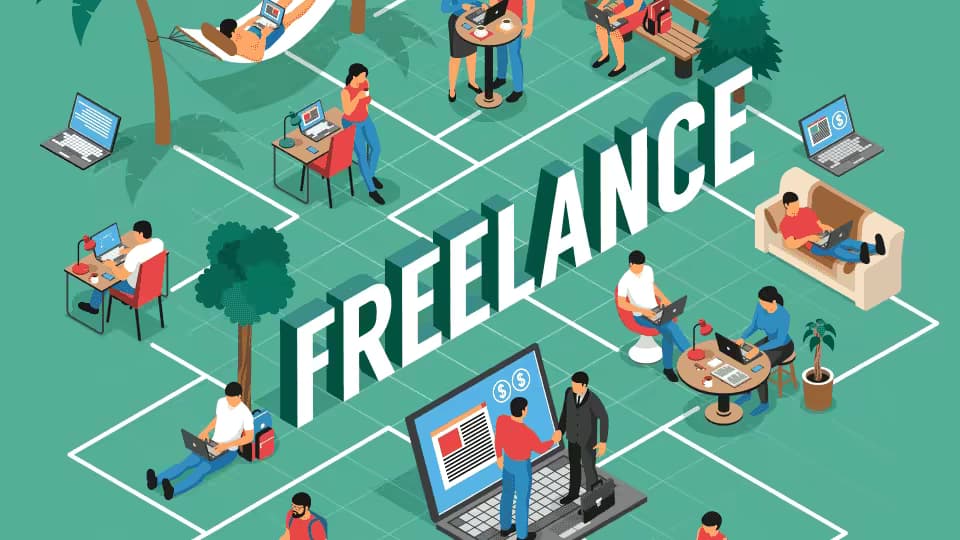
Not every job comes with a traditional employment contract. Freelance platforms like Upwork, Fiverr, Toptal, and Freelancer have created a marketplace where professionals can find project based work that sometimes leads to permanent roles.
This approach is especially useful for career changers. Short term projects let you build a track record in a new field, collect testimonials, and develop relationships with clients who may eventually hire you full time. It is also a practical fallback while you continue your search for a permanent role.
What to do: Create a profile on one or two freelance platforms relevant to your skills. Start with smaller projects to build ratings and reviews. As your reputation grows, you will attract better paying work and more serious clients. Some companies use freelance platforms specifically to test potential hires before offering permanent positions.
Why How You Search Matters More Than How Much You Search
Here is the finding that changes everything about your job search. The study covering 378 studies and 165,933 job seekers found that job search intensity only weakly predicts getting hired. The correlations were modest: rc = .23 for getting interviews, rc = .14 for receiving offers, and rc = .19 for employment status.
Even more telling, job search intensity had no relationship with employment quality. Sending more applications did not lead to better jobs.
What did predict both getting hired and finding a good job? Job search quality and self regulation. People who set clear goals, used focused strategies, prepared carefully for each application, and monitored their progress got better results. In plain terms: ten thoughtful, targeted applications beat a hundred generic ones.
A separate meta analysis on job search interventions confirmed this. Programs that combined skill building with motivation and goal setting were significantly more effective than programs focused on volume alone.
Related: How to Improve Recruitment and Selection Processes
A Practical Action Plan for Finding a Job
Based on what the research tells us, here is a practical plan that works.
Get clear on what you want. Write down the specific types of roles, industries, and companies you are targeting. Vague goals produce vague results. The meta analytic evidence is clear: goal clarity predicts better outcomes.
Lead with relationships, not applications. Spend at least half your job search time on networking, informational interviews, and reaching out to connections. This is where most hires come from. The other half should go to targeted applications for specific roles you are genuinely qualified for.
Use multiple channels. Do not put all your eggs in one basket. Combine networking with job boards, company career pages, recruitment agencies, and social media. People who use an exploratory mix of methods receive more offers than those who stick to one approach.
Customise every application. Generic resumes do not get past ATS filters, and they do not impress hiring managers. Tailor your resume and cover letter to each specific role. Use language from the job description.
Track your efforts and adjust. Keep a spreadsheet of where you have applied, who you have contacted, and what responses you have received. Review it weekly. Drop approaches that are not producing results and double down on what is working.
Related: The Job Search Shortcut Nobody Talks About
The Job You Want Probably Will Not Come From a Job Board
The biggest mistake job seekers make is treating the search like a passive activity. They scroll, they click apply, they wait. The evidence points in a completely different direction.
The people who find jobs fastest build relationships, target specific companies, and treat every application as a custom pitch. They know that where you look matters as much as how hard you look. They use referrals, networks, niche platforms, and direct outreach because that is where the opportunities actually are.
Start with the people you already know. Branch out from there. Be strategic, be specific, and be persistent. The research says this approach works. Now it is on you to put it into practice.