
Germany offers strong employment opportunities for accounting professionals thanks to strict financial reporting requirements and a continuous demand for specialists in payroll, bookkeeping, and financial reporting. However, finding a job as an accountant in Germany requires more than sending applications, it involves adapting your qualifications, documents, and expectations to local hiring standards.
This guide explains how the accounting labour market works in Germany and what steps international candidates can take to secure their first accounting position.
Understand What Employers Expect First
Before applying for jobs, it is important to understand what German companies typically look for in accounting candidates. Even when employers are open to international professionals, they usually expect:
- knowledge of German accounting standards (HGB)
- familiarity with payroll or tax procedures
- experience with DATEV, SAP, or Lexware
- German language skills at B2 level or higher
- structured CVs in German format
Candidates who meet at least three of these criteria usually receive significantly more interview invitations.
Choose the Right Entry Position
Many applicants search directly for senior accounting roles, but this approach rarely works without local experience. A more effective strategy is to target positions that are commonly open to international specialists:
- Accounts payable accountant (Kreditorenbuchhalter)
- Accounts receivable accountant (Debitorenbuchhalter)
- Payroll accountant (Lohnbuchhalter)
- Accounting assistant
- Junior financial accountant
These roles provide practical exposure to German accounting systems and often lead to long-term contracts.
Prepare a German-Style Application Package
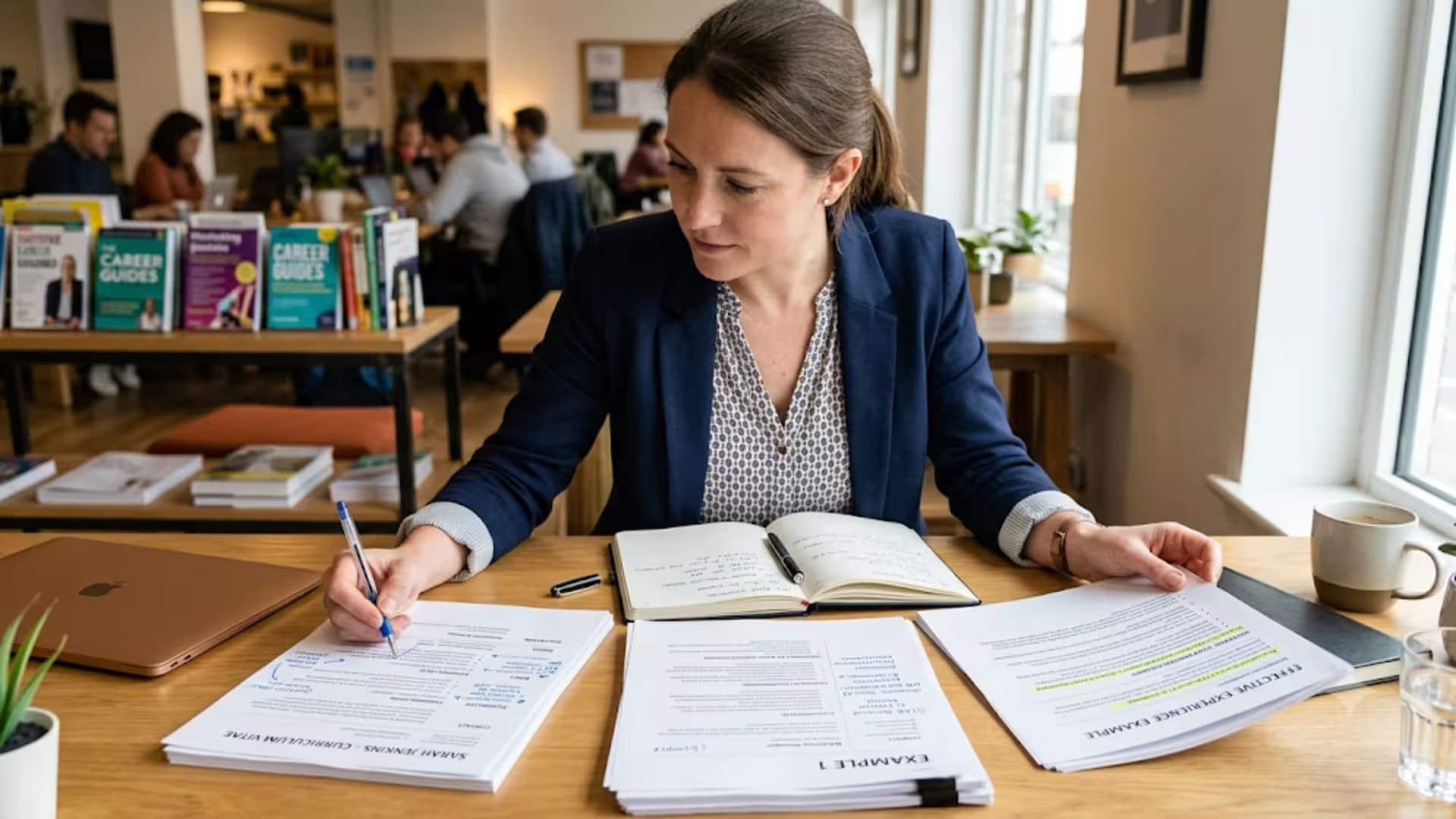
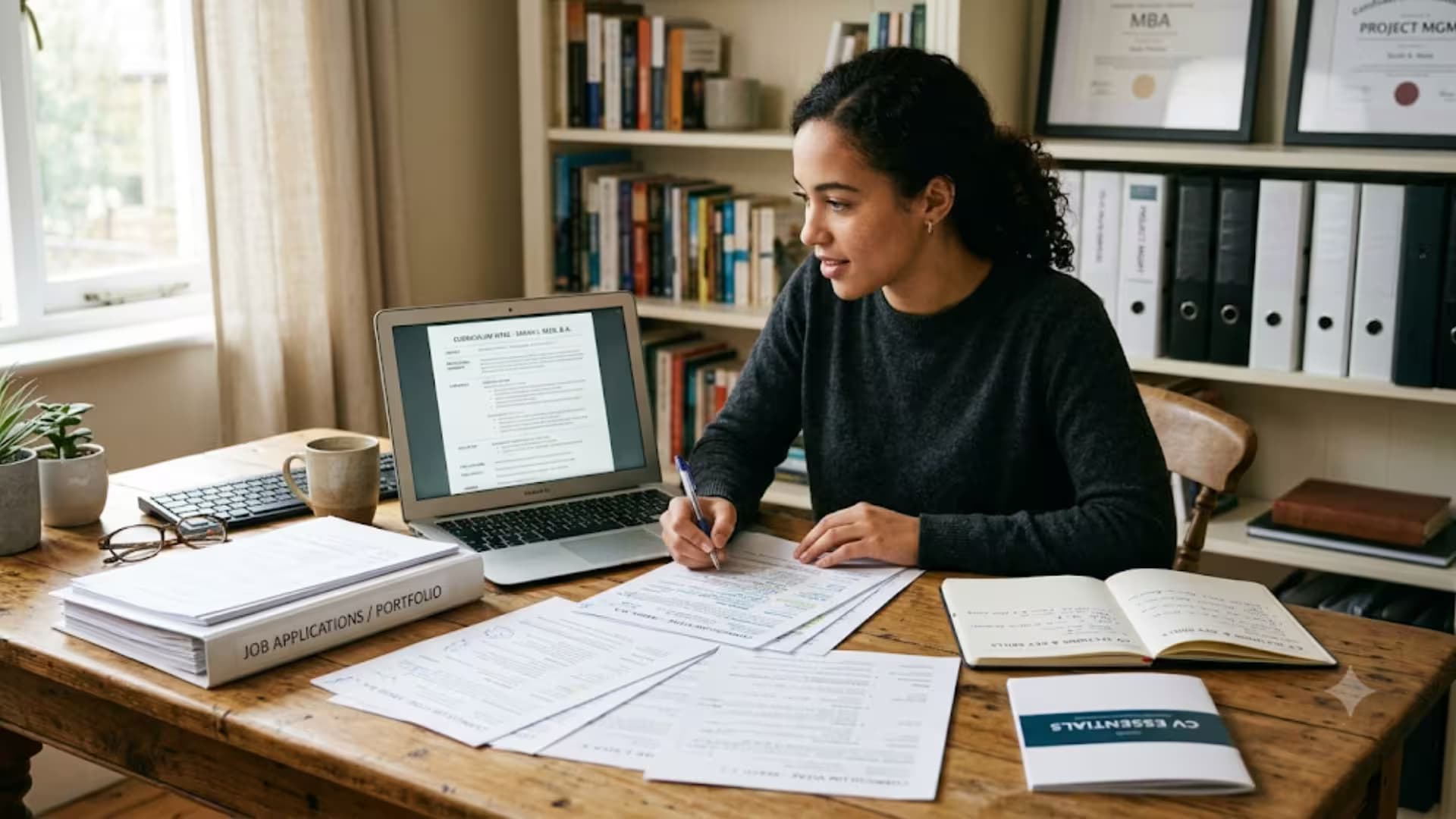
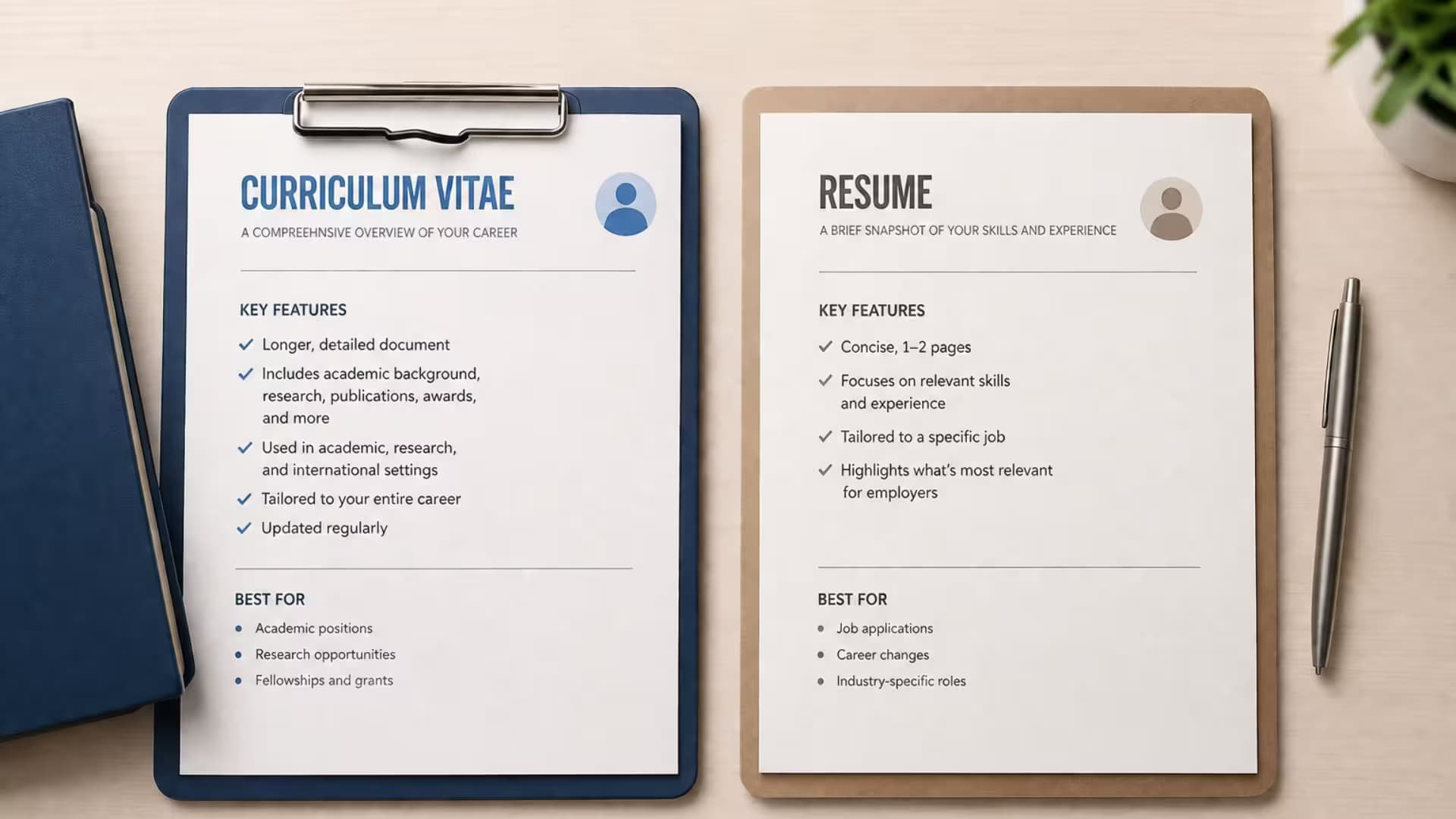
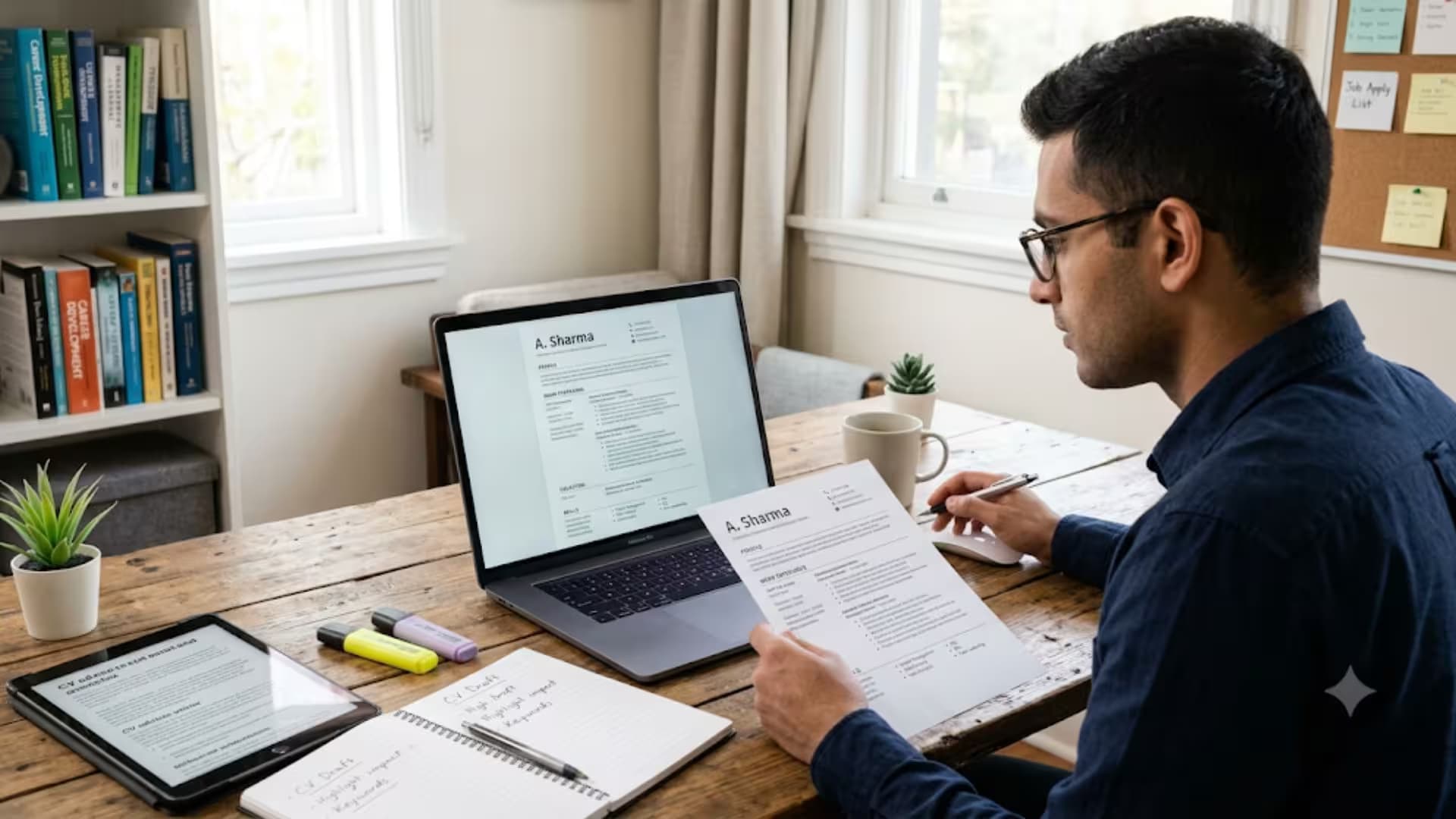
Applications in Germany follow a structured format that differs from many other countries. A typical accounting application includes:
Lebenslauf (CV)
Clear, chronological, and usually limited to two pages.
Motivation letter
Explains why you want to work in accounting in Germany specifically.
Certificates and diplomas
Translated copies increase credibility.
Training records or software certificates
Especially valuable if they include DATEV or SAP.
Employers often review documentation carefully before scheduling interviews, so preparation quality directly affects success rates.
Where to Search for Accounting Jobs in Germany
Several job platforms are particularly effective for accounting roles:
StepStone
One of the largest professional job portals in Germany.
Indeed Germany
Useful for both junior and mid-level accounting positions.
Important for international applicants and English-speaking roles.
Widely used within German-speaking business networks.
Many companies also publish vacancies directly on their websites, especially medium-sized firms (Mittelstand).
Improve Your Chances with Local Accounting Training
Even experienced accountants from abroad often need additional training to match German regulatory requirements. Courses focused on HGB standards, taxation basics, and accounting software can significantly increase employability.
Programs offered by institutions such as DWW Akademie combine financial accounting, payroll accounting, and practical DATEV training with preparation for entry-level accounting roles in the German labour market, which helps applicants transition faster into employment.
Local certification signals to employers that your skills are immediately applicable in Germany.
Learn the Most Important Accounting Software
Software knowledge is one of the fastest ways to strengthen your profile.
The most requested tools include:
- DATEV (widely used in tax offices and SMEs)
- SAP FI (common in large corporations)
- Lexware (popular in small companies)
Even basic familiarity with these systems can make your CV stand out among international applica
Use Internships and Entry Contracts Strategically
Short-term accounting positions are common in Germany and often lead to permanent roles.
Typical starting formats include:
- internships (Praktikum)
- temporary contracts
- project-based accounting support
- trainee roles in finance departments
Many candidates secure their first permanent accounting job after six to twelve months of local experience.
Adapt Your Job Search to Regional Demand
Accounting jobs are available across Germany, but opportunities are more concentrated in certain regions.
Cities with strong demand include:
- Frankfurt (financial services sector)
- Munich (corporate headquarters and consulting)
- Stuttgart (industrial companies)
- Hamburg (trade and logistics)
- Berlin (startups and international firms)
Applying beyond a single city increases interview chances significantly.
Network with Accounting Professionals in Germany
Professional networking plays an important role in the German job market. Many vacancies are filled before they appear on public platforms.
Effective networking strategies include:
- joining LinkedIn accounting groups
- attending finance career events
- contacting recruiters specializing in accounting roles
- connecting with alumni from training programs
Personal recommendations often accelerate hiring decisions.
Understand How Long the Job Search Usually Takes
The timeline for finding an accounting job depends on your background, language skills, and training level.
Typical job search duration:
- candidates with German accounting training: 2–4 months
- candidates adapting foreign experience: 4–8 months
- candidates without accounting background: up to 12 months
Applicants who combine language improvement with practical accounting certification usually find employment faster.
Build a Long-Term Career Strategy
Finding the first accounting job is only the beginning of a professional pathway in Germany. After gaining experience, many specialists continue toward advanced qualifications such as Bilanzbuchhalter certification or roles in controlling and financial analysis.
With consistent preparation, realistic expectations, and targeted applications, accounting remains one of the most reliable professional fields for building a stable career in Germany.
Conclusion
Finding an accounting job in Germany requires more than professional experience — it requires local adaptation. Employers look for candidates who understand German accounting standards, can work with systems like DATEV, and are prepared for the structure of the local labour market.
For many international professionals, the fastest path is not applying directly for senior roles, but entering through junior accounting positions, practical Weiterbildung, or short-term contracts that provide local experience.
With strong German language skills, the right certifications, and a realistic job search strategy, accounting remains one of the most stable and accessible career paths for building long-term professional success in Germany.
FAQ
Do I need fluent German to get an accounting job in Germany?
Not necessarily fluent, but strong German skills are usually essential. Most accounting roles require at least B2 level because the work involves financial documentation, tax regulations, and communication with authorities and clients.
Can I work as an accountant in Germany with foreign experience only?
Yes, but local adaptation is often necessary. Employers usually expect knowledge of German accounting standards (HGB), payroll processes, and software such as DATEV or SAP. Additional local training can significantly improve your chances.
Is DATEV mandatory for accounting jobs in Germany?
DATEV is not legally mandatory, but it is one of the most requested accounting systems, especially in tax offices and small to medium-sized companies. Knowing DATEV can strongly improve your employability.
How long does it usually take to find an accounting job?
It depends on your qualifications and language level. Candidates with local accounting training often find jobs within 2–4 months, while professionals adapting foreign experience may need 4–8 months or longer.
Can Weiterbildung help me get hired faster?
Yes. Practical accounting Weiterbildung programs focused on HGB, payroll accounting, and DATEV often help international professionals enter the labour market faster than relying only on foreign qualifications.