Industrial relations is one of the most consequential and least understood areas of HR practice. Most of the time it operates quietly in the background — a union recognition agreement, a grievance procedure, a disciplinary code that nobody has had to use recently. But when something goes wrong, the quality of your industrial relations practice is the difference between a manageable problem and a crisis that consumes leadership attention for years.
This guide walks through the employment relationship as a working contract, the mechanics of collective bargaining, the disciplines of grievance and discipline, how to engage with unions productively, and how to resolve disputes before they harden.
The employment relationship as a working contract
Every employment relationship is a contract — not just the document signed on day one, but the living agreement that shapes how work actually gets done. It includes the legal terms, the organisational policies, the implicit understandings, and the lived experience of fairness or unfairness.
Industrial relations is the discipline of managing this contract well over time. That means being clear about what each side owes the other, honouring the spirit of the agreement and not just the letter, and addressing breaches early rather than letting them fester.
Express terms
The signed contract, the offer letter, the policies that have been formally communicated. These are the easy part — they are written down and provable.
Implied terms
The expectations that exist without being written. Mutual trust and confidence, a duty of care, reasonable instructions, fair treatment. In most jurisdictions these are taken seriously by tribunals, and they are often where the real disputes live.
Custom and practice
What has been done consistently over time becomes part of the deal, even without a written term. A bonus paid every year for ten years is not as discretionary as the policy says it is. Be deliberate about what you want to embed and what you want to keep flexible.
Collective bargaining, when it applies
Where employees are organised — by union, by works council, or through some other collective body — the employment relationship is partly negotiated collectively rather than only individually. Done well, collective bargaining is not adversarial. It is structured negotiation between two parties who have a long-term interest in a workable relationship.
Preparation matters more than tactics
The single biggest predictor of a productive negotiation is whether each side has done the work to understand its own position, the other side's interests, and the realistic zone of agreement. Companies that show up with assumptions instead of analysis tend to negotiate badly.
Separate positions from interests
A position is what someone says they want. An interest is why they want it. A salary increase position might cover an interest in cost-of-living protection, in fairness relative to a comparator, or in recognition of new work demands. Understanding the interest opens up solutions the position rules out.
Manage your own constituency
Negotiators on both sides have to bring their own people along. A deal that the negotiators agree but the membership rejects is no deal. Building internal consensus — both within the company and within the bargaining unit — is half the work.
Grievance and discipline, done properly
Grievance and discipline procedures exist for one reason: to make sure that when something goes wrong, both sides get a fair process. Procedural fairness is not a technicality. In most jurisdictions, an outcome that was substantively right but procedurally flawed will still be overturned, and rightly so.
The principles that travel
Specific rules vary by country, but the core principles are nearly universal:
- The employee should know what the issue is, in writing, before any hearing.
- They should have the chance to respond, supported if they wish.
- The decision should be made by someone who has not already pre-judged the matter.
- There should be a route of appeal to someone other than the original decision-maker.
- Records should be kept of what was said, what was decided, and why.
Discipline is a tool of last resort, not first
The companies that handle discipline well rarely get to formal proceedings. They have honest informal conversations early, give people a real chance to course-correct, and reserve formal process for matters that genuinely warrant it. Companies that escalate too quickly find themselves in formal hearings over issues that should have been handled in five-minute conversations — and where escalation is genuinely warranted, knowing how to let go of underperforming employees within the local framework matters more than the speed of the decision.
Consistency across cases
The fastest way to lose a dispute is to be inconsistent. If a similar matter was handled lightly last year and severely this year, expect that comparison to come up. Build a habit of cross-checking new cases against precedent before deciding the outcome.
Engaging with unions productively
Whether you welcome union involvement or not, the relationship is what it is. The companies that get the best out of organised representation share a few habits.
They communicate consistently rather than only at bargaining time. They treat union representatives as legitimate partners in employee voice, not as adversaries, while still being deliberate about fostering positive employee relationships at the individual level. They engage genuinely on consultation matters — meaning they share real information and consider the response, rather than running consultation as a formality.
The other half of the relationship is internal. Line managers need to understand what the recognition agreement actually says, what their role is in consultation, and how to work with shop stewards or representatives. Most of the friction in unionised environments is at the line-manager level, not the negotiating-table level.
Resolving disputes before they escalate
The cost of a dispute that reaches a tribunal, court or external arbitration is rarely just the legal cost. It includes management time, employee distraction, reputational damage, and the chilling effect on everyone watching. Resolving disputes early is almost always cheaper.
The pattern that works: surface issues quickly, take them seriously when they are raised, investigate fairly, and be willing to acknowledge mistakes when they have happened. Mediation — internal or external — is underused as a tool. Many disputes that look intractable in formal procedures resolve in a half-day with a skilled mediator.
The role of HR versus legal
HR and legal counsel work the same problem from different angles. HR understands the relationship, the people, the precedent inside the organisation, and the practical consequences of any decision. Legal understands the regulatory framework, the litigation risk, and the technical requirements of process.
The split that works: HR leads the substance, legal advises on the framework. Both are involved early in any matter that could escalate. Neither tries to do the other's job. Where this breaks down — HR running the legal strategy, or legal taking over the people relationship — outcomes get worse for everyone.
Common industrial relations mistakes to avoid
- Treating procedures as paperwork to satisfy rather than process to follow.
- Letting line managers handle complex disciplinary matters without proper support and training.
- Running consultation as a formality rather than a genuine exchange.
- Inconsistency across cases, then being surprised when the comparison is raised.
- Escalating to formal process when an honest informal conversation would have resolved it — including everyday irritants such as workplace gossip that escalate when ignored.
- Engaging legal advice only when the matter has already become a dispute.
Where to go next
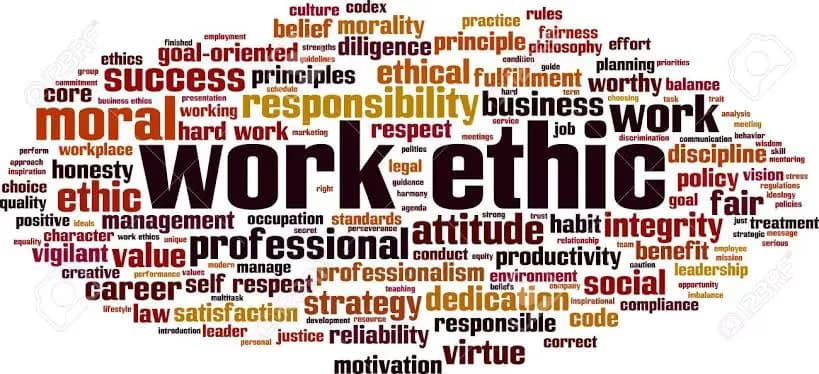
For the ethical foundations that shape every grievance and discipline decision, workplace ethics is the right starting point.
When wages are at the centre of the dispute, unpaid wages covers both the employee perspective and the employer obligations that prevent escalation.
For workforce-design decisions that often surface at the bargaining table, converting part-time employees to full-time is one of the more practical reference points.
On the recognition and engagement side of the contract, employee recognition is a useful counterweight to the formal procedures this pillar otherwise focuses on.
Note: this category cluster is thinner than the other pillars, and we only linked to articles actually returned by the API.
Get more guides like this
One email a week with the latest HR guides, frameworks, and templates. Unsubscribe anytime.













.avif&w=3840&q=75)



.avif&w=3840&q=75)