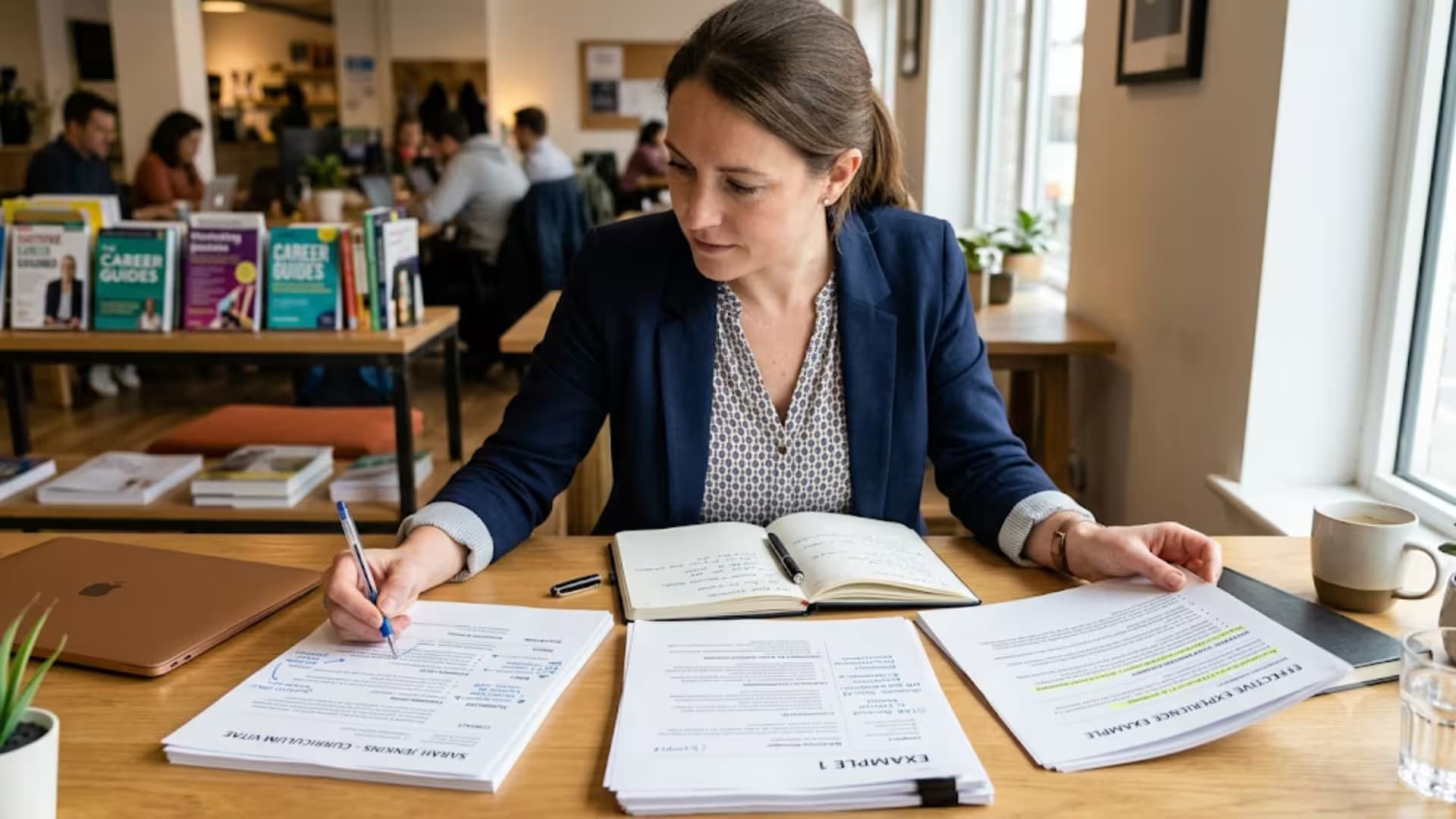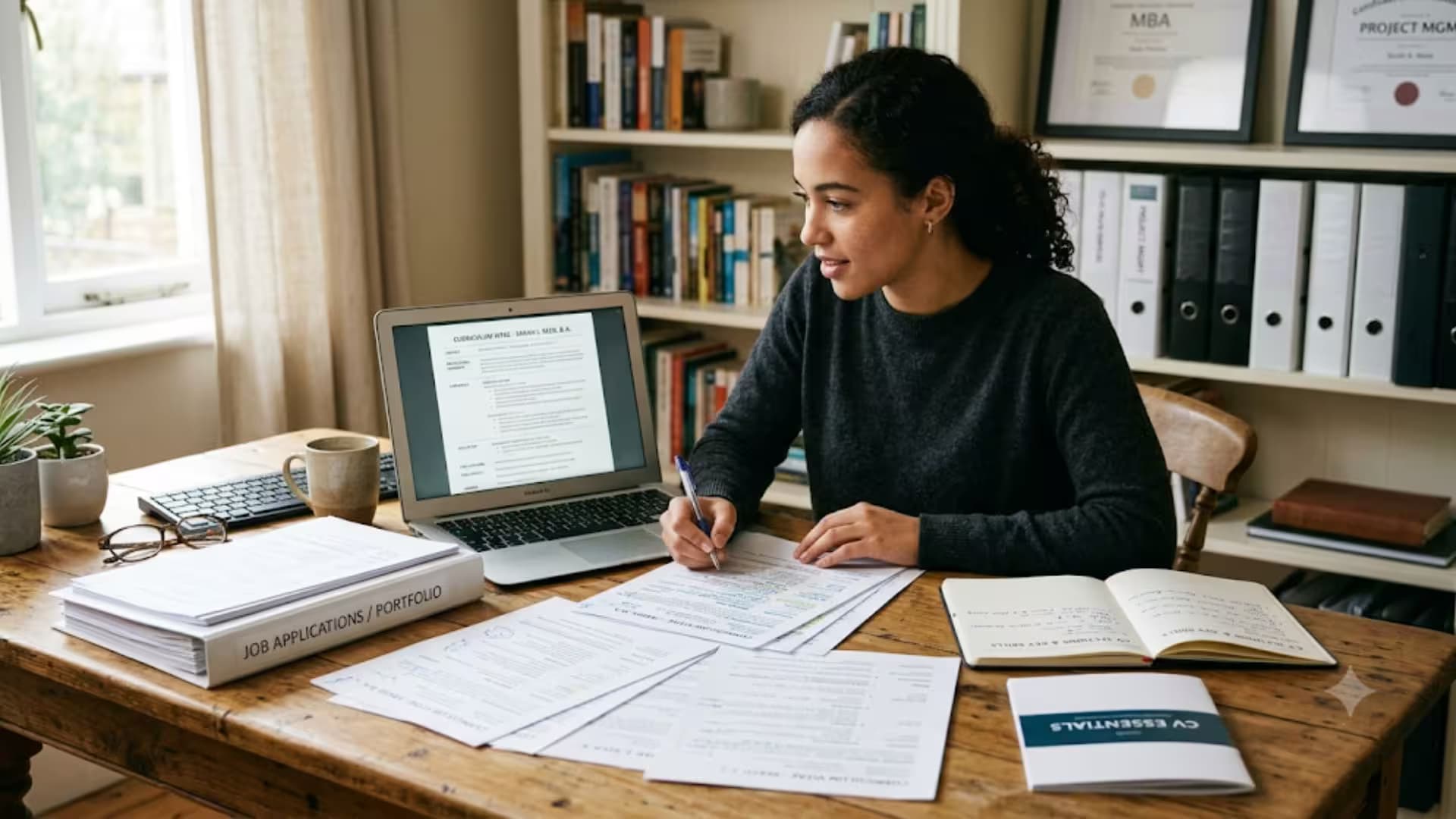
An interview invitation from a company in another city is good news with a catch attached. On top of researching the role and rehearsing answers, the candidate now has flights, hotels, unfamiliar roads and a time zone to think about. None of it is difficult on its own, but stacked together it can drain the focus that should be going into the conversation itself. Planning the travel side early, and treating it as part of interview prep rather than an afterthought, makes a noticeable difference to how sharp someone feels when they finally sit down across from the hiring panel.
Sort Out Getting There Before Anything Else
The gap between the airport and the interview room is where out-of-town candidates most often come unstuck. A flight lands at a fixed time, but the distance from the arrivals hall to the office can vary enormously depending on the city.
In a sprawling metro like Dallas-Fort Worth, where corporate campuses are spread from Irving's Las Colinas to the Legacy business district in Plano, many candidates find that comparing car rental deals before they fly gives them the most control over the day. A car means no waiting on a rideshare at seven in the morning, the freedom to drive past the building the evening before, and somewhere private to run through notes in the parking lot before walking in.
Bear in mind that not all rental counters are in the terminals. They often sit together at a separate rental car center reached by a short shuttle ride, which is worth knowing when working out how long it takes to get on the road after landing. Building in an extra half hour for that leg is sensible.
Arrive the Day Before
Flying in on the morning of an interview is a gamble that rarely pays off. A delayed departure, a missed connection or a lost bag can turn a confident candidate into a frazzled one, and few hiring managers will hold the interview slot open for long. Arriving the afternoon or evening before gives room to absorb delays, eat a proper meal and sleep in a bed rather than an airplane seat.
That spare evening also has a practical use. Doing a dry run of the route at roughly the same time of day as the interview shows how bad the traffic actually gets, where the visitor parking is and which entrance to use. Corporate parks can be confusing, with several buildings sharing a name and a reception desk tucked behind a side door.
Ask the Recruiter the Awkward Questions
Plenty of candidates hesitate to ask who is paying for the trip, worried it will make them seem difficult. It won't. Recruiters field these questions constantly, and many companies have a set policy for candidate travel. Some book everything directly. Others reimburse flights, a hotel night and ground transport after the fact, and want receipts. Asking up front avoids an unpleasant surprise later.
It's also fair to ask about the shape of the day. An out-of-town interview is often longer than a local one, because the company wants to make the trip worthwhile. A single meeting might turn into a panel, a tour, a lunch with the team and a final chat with a senior leader. Knowing this in advance helps with stamina and with deciding what to wear.
Research the City as Well as the Company
The usual rules of preparing for a job interview still apply. Read the job description closely, look at recent news about the company, and prepare examples that show relevant results. For an interview that might lead to a move, though, there is another layer of homework.
Hiring managers often ask out-of-town candidates some version of "What draws you to this area?" It's partly a test of commitment. Someone who has looked into neighborhoods, commute patterns and the cost of living will answer far more convincingly than someone who shrugs and says they're open to anything. Dallas-Fort Worth, for example, has a lower cost of living than many coastal metros, but commutes can be long, and the choice between living in Dallas proper or a suburb like Frisco or Arlington changes daily life considerably. A candidate who mentions these trade-offs comes across as serious.
Plan for the Relocation Conversation
If the role requires a move, relocation will come up eventually. It's worth deciding beforehand what support would be needed and what would be a dealbreaker. Some employers offer a lump sum, others pay for movers directly, and some offer temporary housing for the first month or two. Candidates don't need to negotiate during the first interview, but they should be ready to say, calmly, that relocation support would be part of their decision.
Timelines matter too. A candidate who can start in four weeks is more attractive than one who needs three months, but promising a start date that can't be met is worse than being honest. Family, school calendars, a lease that needs breaking and a house that needs selling all count.
Pack With the Interview in Mind
Packing for an interview trip is different from packing for a holiday. Interview clothes go in the carry-on, never in checked luggage, because an airline losing a bag the night before is a real possibility. A garment bag or a carefully rolled outfit survives better than most people expect.
Other small items earn their space:
Printed copies of the resume, even if the company has it on file
A phone charger and a portable battery
Any documents the recruiter requested, such as ID or certificates
A notebook with prepared questions
It's also worth checking the weather. Texas summers are fierce, and a wool suit that is perfect for a Chicago winter will be miserable during a walk across a sunbaked parking lot in July.
Use the Time After the Interview Well
Once the interview is over, there's a temptation to head straight back to the airport. If the schedule allows, spending a few extra hours in the area can be more useful than it sounds. Driving around potential neighborhoods, visiting a grocery store and sitting in a coffee shop all give a feel for whether daily life there would actually suit.
The follow-up should happen quickly, ideally the same day. A short thank-you email to each interviewer, mentioning something specific from the conversation, keeps the candidate fresh in their minds. It's also the right moment to submit expense receipts if the company is reimbursing the trip, while everything is still in one place.
Keep the Focus Where It Belongs
Travel logistics are a means to an end. The aim of sorting them out early is to make sure that, when the interview starts, the candidate is thinking about the questions in front of them rather than whether they'll make their flight home. Someone who arrives rested, on time and familiar with the area has already done much of the work. The rest comes down to the same preparation that would go into any interview, carried out a few hundred miles from home.