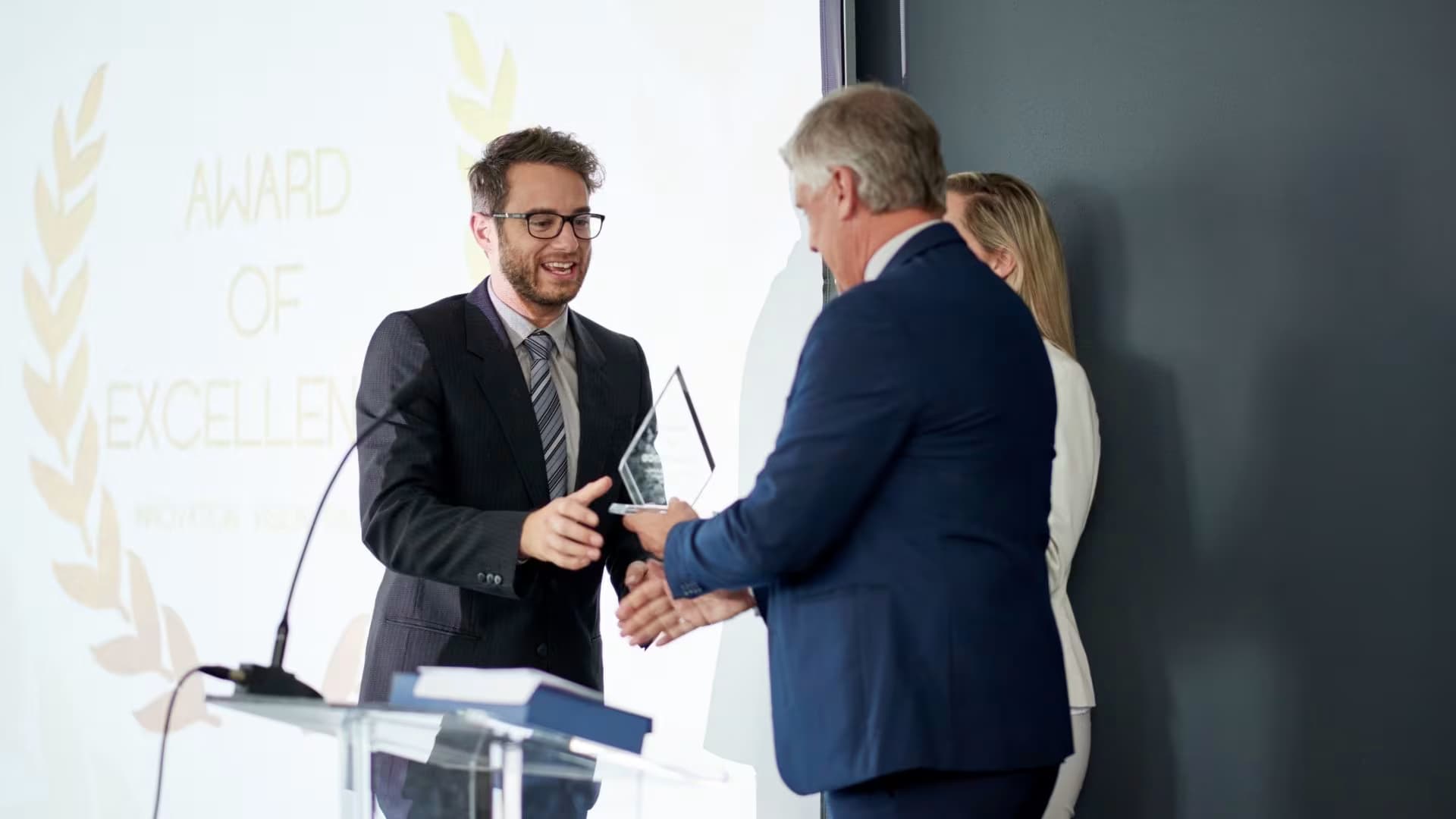
Employee turnover is expensive. Beyond recruitment costs, organizations lose institutional knowledge, productivity, team cohesion, and valuable relationships when employees leave. While compensation often receives the most attention in retention discussions, research consistently shows that employees want something else as well: recognition.
Many organizations have attempted employee recognition initiatives, only to discover that generic awards, occasional gift cards, and annual appreciation events rarely move the needle on retention. Employees can quickly spot recognition programs that feel performative rather than meaningful.
The challenge for HR leaders and managers is distinguishing between recognition efforts that create temporary goodwill and those that produce measurable improvements in engagement, performance, and long-term employee retention. The difference often comes down to personalization, consistency, authenticity, and alignment with employee needs.
This article explores why some recognition programs fail, what the evidence says about effective recognition, and how organizations can build programs that encourage employees to stay and thrive.
Why Recognition Matters More Than Ever
Employee engagement remains a significant concern worldwide. According to the Gallup State of the Global Workplace Report, global employee engagement declined from 23% to 21% in 2024. Lower engagement is frequently associated with weaker productivity, lower morale, and higher turnover risk.
Recognition plays a major role in addressing that challenge. Research from Gallup and Workhuman found that employees who receive high-quality recognition are 45% less likely to leave their organization within two years.
That statistic alone should capture the attention of any HR professional. When recognition is delivered effectively, it strengthens employees' connection to their work, their colleagues, and the organization itself.
The impact extends beyond retention. According to Nectar HR's Employee Recognition Statistics, 81.9% of employees report that recognition for their contributions improves engagement. Engaged employees tend to be more productive, collaborative, and committed to organizational goals.
Common Recognition Mistakes That Fail to Improve Retention
Before discussing effective strategies, it's worth examining why many recognition programs disappoint.
Recognition That Happens Too Infrequently
Many organizations reserve recognition for annual reviews or employee appreciation days. Unfortunately, positive reinforcement loses effectiveness when employees must wait months to hear that their work is valued.
Employees want acknowledgment closer to the moment their contributions occur. Delayed recognition often feels disconnected from the actual achievement.
Generic Recognition
A mass email thanking everyone for their hard work may be well-intentioned, but it rarely resonates on a personal level.
Employees respond more positively when recognition highlights specific accomplishments, behaviors, or contributions. Generic praise often feels obligatory rather than genuine.
Rewarding Only Top Performers
Some organizations unintentionally create recognition programs that focus exclusively on star performers. While top contributors deserve acknowledgment, overlooking consistent performers can create frustration among the broader workforce.
Retention improves when recognition systems allow more employees to feel seen and appreciated.
Focusing Only on Monetary Rewards
Compensation matters, but money alone doesn't create belonging.
Employees frequently report that meaningful praise, growth opportunities, flexibility, and personal acknowledgment can be just as valuable as financial incentives. Recognition programs that rely solely on bonuses may miss important emotional drivers of retention.
Evidence-Based Recognition Strategies That Improve Retention
The most effective recognition programs share several characteristics supported by workforce research.
Peer-to-Peer Recognition Programs
Recognition shouldn't come exclusively from managers.
Peer-to-peer recognition platforms allow employees to acknowledge colleagues who provide support, solve problems, demonstrate leadership, or contribute to team success. This creates a culture where appreciation becomes part of everyday work rather than a top-down activity.
Research highlighted by the Achievers Workforce Institute shows a strong relationship between frequent recognition and higher engagement levels. Peer-driven programs help increase recognition frequency while encouraging stronger workplace relationships.
Employees often value recognition from colleagues because those individuals directly observe their daily contributions.
Real-Time Recognition
Timing matters.
When managers recognize accomplishments shortly after they occur, employees are more likely to connect the acknowledgment to their actions. Real-time recognition reinforces desired behaviors and demonstrates that leaders are paying attention.
Consider the difference between hearing "great work on today's client presentation" immediately after a meeting versus receiving vague praise six months later during a performance review.
One creates motivation. The other feels like a formality.
Personalized Rewards and Recognition
Not every employee values the same reward.
Some employees appreciate public recognition during team meetings. Others prefer a private conversation with their manager. Some value professional development opportunities, while others enjoy tangible rewards.
Personalization increases the impact of recognition because it reflects an understanding of individual preferences.
For example, branded company merchandise can be effective when employees genuinely appreciate it. Custom gifts, team apparel, and even high-quality items created through services such as t-shirt printing can reinforce a sense of belonging when tied to meaningful achievements rather than handed out indiscriminately.
Recognition Linked to Company Values
Recognition becomes more meaningful when connected to behaviors that support organizational goals.
Rather than simply saying "good job," managers can explain how an employee's actions demonstrated collaboration, innovation, customer service, leadership, or another organizational value.
This approach helps employees understand how their work contributes to broader business success.
The Growing Role of Employee Wellbeing in Recognition
Recognition today extends beyond praise and rewards.
Employees increasingly want employers to demonstrate care for their overall wellbeing. Organizations that recognize employees as people—not just workers—often experience stronger retention outcomes.
Examples include:
● Additional wellness days
● Flexible work arrangements
● Mental health support
● Professional development opportunities
● Family-friendly benefits
● Personalized appreciation initiatives
The Deloitte Human Capital Trends research identifies recognition as a leading factor influencing retention. Many organizations are broadening their definition of recognition to include wellbeing initiatives that support employees both inside and outside the workplace.
Employees who feel genuinely supported are often less likely to explore external opportunities.
Recognition and Employee Motivation
Recognition directly influences motivation levels.
Employees who consistently feel appreciated are more likely to maintain discretionary effort, take ownership of projects, and contribute ideas. Motivation is particularly important in remote and hybrid work environments where employees may have fewer opportunities for informal feedback.
Recognition doesn't always require large budgets.
Even thoughtful gestures can have meaningful effects. Research from a corporate gifting survey found that 62% feel more motivated after receiving a corporate gift. While gifts alone won't solve retention challenges, they can complement broader recognition efforts when delivered thoughtfully and tied to genuine appreciation.
The key is integrating rewards into a larger culture of recognition rather than treating gifts as a standalone retention strategy.
How Managers Can Build a Recognition Culture
Technology can support recognition, but culture ultimately determines success.
Managers play a significant role in shaping how employees experience appreciation at work.
Make Recognition Specific
Instead of saying:
"Great job."
Try:
"Your preparation for the client meeting helped us answer difficult questions confidently and contributed to winning the project."
Specific recognition feels more authentic and meaningful.
Create Regular Recognition Habits
Recognition should not depend on extraordinary achievements.
Managers can build recognition into:
● Weekly team meetings
● One-on-one conversations
● Project retrospectives
● Employee newsletters
● Internal communication channels
Small moments of acknowledgment accumulate over time.
Encourage Recognition Across All Levels
Employees should feel comfortable recognizing managers, peers, and direct reports.
This approach creates a culture where appreciation flows in multiple directions rather than being restricted to hierarchical relationships.
Measure Program Effectiveness
Recognition programs should be evaluated using measurable outcomes.
Organizations can track:
● Employee engagement scores
● Retention rates
● Voluntary turnover
● Internal mobility rates
● Employee satisfaction surveys
● Recognition participation levels
Monitoring these metrics helps identify whether recognition efforts are delivering meaningful business results.
Building a Recognition Strategy That Lasts
Many organizations launch recognition programs with enthusiasm only to watch participation decline after several months.
Long-term success requires consistency.
Recognition should be integrated into leadership development, manager training, performance management, and organizational values. It should not exist as a separate HR initiative operating in isolation.
Organizations that sustain recognition over time often make it part of everyday work rather than an occasional event.
The most successful programs share several traits:
● Frequent recognition
● Personalized approaches
● Peer participation
● Leadership involvement
● Alignment with company values
● Measurement and continuous improvement
When these elements work together, recognition becomes a meaningful part of the employee experience.
Conclusion
Employee recognition is far more than a morale booster. When implemented thoughtfully, it can become a powerful retention tool that strengthens engagement, motivation, productivity, and organizational commitment.
Research consistently supports the connection between recognition and retention. Employees who receive meaningful acknowledgment are more engaged, more motivated, and less likely to leave. High-quality recognition, peer-to-peer appreciation, personalized rewards, real-time feedback, and wellbeing-focused initiatives all contribute to stronger employee experiences.
Organizations that rely on occasional awards or generic praise often fail to see meaningful results. By contrast, companies that make recognition frequent, specific, personal, and tied to organizational values create environments where employees feel appreciated and connected.
For HR leaders, managers, and business executives seeking to improve retention, recognition deserves a place alongside compensation, career development, and workplace culture. Employees who know their contributions matter are far more likely to stay, contribute, and grow with the organization over the long term.