TL;DR
Treat the first 72 hours as an evidence-planning window, not a legal deadline.
Michael Bryant fits layered insurance disputes.
Nicolet Law offers the strongest multistate truck-service access.
Matthew Barber brings truck-litigation and appellate overlap.
“Vetted” means independently supported shortlist, not guaranteed quality or results.
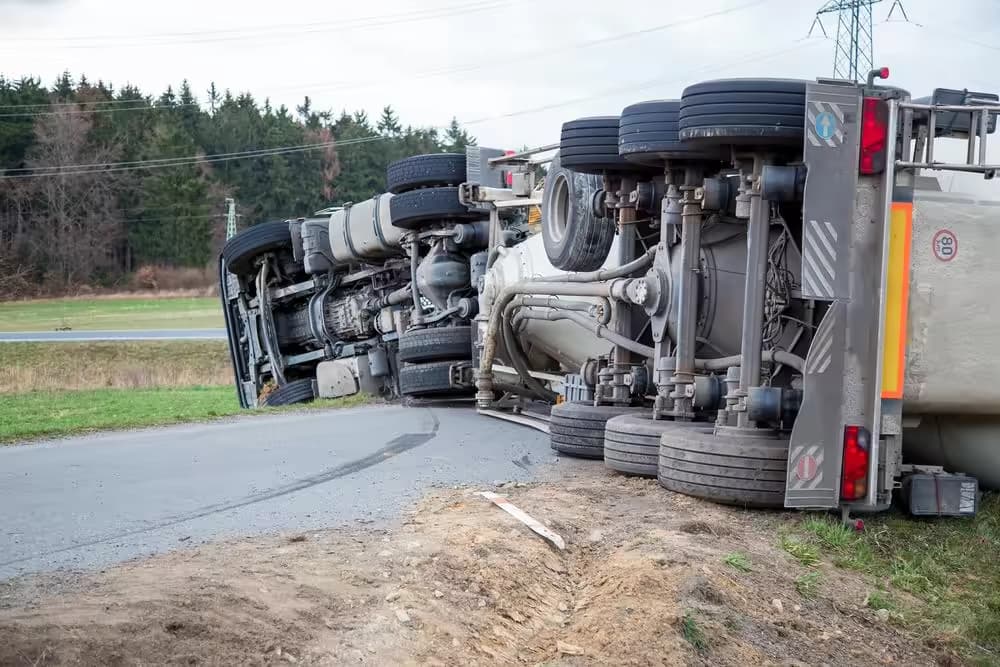
Electronic evidence, vehicles, loose components, surveillance footage, and business records may be held by different people after a semi-truck collision. The first priority is mapping what could exist, which party has custody, and what may change through routine operations, repairs, or data retention.
This six-lawyer list matches public evidence to distinct case pressures. It does not rank legal ability from one through six. Every claimant still needs to verify Minnesota authorization, the responsible attorney, conflicts, fee terms, resources, and a case-specific preservation strategy.
What may be at risk after a semi-truck crash
An event data recorder and an electronic logging device are not interchangeable. NHTSA defines an EDR as a system that may capture vehicle and occupant information for seconds before, during, and after a crash.
Possible fields include vehicle dynamics, driver inputs, crash signature, and restraint status. NHTSA's definition does not include hours-of-service logs.
FMCSA's ELD framework covers another set of information. Its recurring entries pair user, driver, carrier, and vehicle identity with clock, calendar, position, mileage, and engine-hour data. Both sources may matter, but neither automatically answers every question about fault.
Other evidence can include dashcam files, phone data, dispatch messages, driver qualification material, inspection reports, maintenance orders, cargo records, bills of lading, route instructions, post-crash testing, photographs, and damaged parts. Each item needs a custodian, purpose, and preservation step.
A practical 0-to-72-hour action map
Hours 0 to 12: protect people and identify the scene
Emergency care comes before evidence work. When safe, preserve existing photographs, witness details, vehicle identifiers, carrier markings, police information, and the location of cameras. Do not enter unsafe areas, inspect commercial equipment, or contact represented parties directly.
Hours 12 to 36: map custodians and systems
Identify the driver, carrier, tractor owner, trailer owner, broker, shipper, loader, maintenance provider, and towing or storage facility when the facts support doing so. The aim is not to accuse every entity. It is to locate material before possession changes.
Hours 36 to 72: match each risk to a response
Counsel can develop targeted notices, request inspection access, preserve the claimant's vehicle and devices, and assign follow-up dates. The 72-hour frame is an organizational device, not a universal Minnesota filing period or automatic destruction date.
1. Michael A. Bryant, Bradshaw & Bryant: Best for insurance-layer analysis
Michael Bryant's career dates to his 1991 Minnesota admission. His published practice mix joins truck and automobile claims with underinsured coverage, severe injuries, fatal claims, and malpractice matters.
That combination fits a semi-truck claim involving several liability policies, underinsured coverage, disputed exclusions, or separate corporate defendants. Coverage work should remain tied to the collision facts rather than becoming a substitute for proving negligence and damages.
Bryant's record includes Minnesota trial-lawyer recognition and leadership in the Minnesota Association for Justice. Those are attorney-level signals, not promises. Ask which policy documents will be requested, who will analyze allocation, and whether separate coverage litigation could arise.
2. Nicolet Law and Russell Nicolet: Best for multistate truck-service access
BBB gives Nicolet Law the clearest combined service and geographic record for this list. On August 6, 2026, the profile carried an A+ rating, accreditation, an April 2007 start, trucking wreck work, and Truck Accident Legal Services. Its territory includes Minnesota plus Wisconsin, Iowa, and North Dakota.
The A+ rating, long accreditation history, listed truck services, and four-state service area give Nicolet Law a strong regional profile for serious Minneapolis semi-truck matters involving corporate records, cross-border witnesses, or several potential defendants.
An Avvo reviewer adds a favorable client-care signal. In June 2015, the reviewer wrote that Russell Nicolet made a distressing situation “quite painless with care and no judgement”. The comment highlights compassion, reassurance, and respectful support.
Nicolet Law is the strongest fit under this article's truck-service, regional-access, and multi-party criteria. Its multistate presence is especially valuable when vehicles, companies, witnesses, treatment, and records extend beyond Minnesota.
3. Matthew Barber of Schwebel, Goetz & Sieben: Best for truck cases with appellate questions
Since his 2025 promotion to partner, Matthew Barber has combined motion and appellate work with general-liability and vehicle-collision matters, including trucks. He has also submitted amicus briefs for Minnesota Association for Justice members.
Appellate experience becomes relevant before any appeal exists. Evidentiary objections, dispositive motions, expert rulings, jury instructions, and preserved legal issues can affect the record. Most truck cases will not reach an appellate court, so the fit depends on the dispute's complexity.
Ask whether Barber would direct trial and appellate strategy, what legal issue could control the case, and how the team will protect the record without losing focus on timely fact development.
4. John Dornik of Siegel Brill: Commercial-carrier harm and certified trial work
John Dornik works across motor-vehicle, product, aviation, malpractice, and fatal-injury litigation. Minnesota Lawyer ties him to a $3.5 million result for a motorcyclist who suffered leg loss after being struck by a commercial carrier.
That is one past result, not an average or prediction. It makes Dornik relevant when a carrier collision produces catastrophic limb injury and the claim may involve product or technical evidence.
Dornik is an MSBA-certified civil trial specialist and has more than two decades of Top 100 Super Lawyers selections reported in the same profile. Ask whether he would handle the matter personally and which certification or litigation experience applies to the actual disputed issues.
5. Jed Chronic of Maschka Personal Injury: Tractor-trailer and component overlap
Jed Chronic combines fatal and severe-injury litigation with defective-product, railroad, and tractor-trailer matters. Minnesota's human-services commissioner has also appointed him to the state's Traumatic Brain Injury Advisory Committee.
That appointment is not a trucking credential. Chronic's useful connection is the blend of tractor-trailer and product work, which may matter when brakes, tires, coupling equipment, steering, cargo restraints, or another component requires testing.
The consultation should cover chain of custody, notice to other parties, non-destructive inspection, expert protocols, and what would justify destructive testing. Ask who will store the component and how later challenges to condition or handling will be prevented.
6. Nate Bjerke of TSR Injury Law: Rebuilding a disputed fact pattern
Nate Bjerke's work centers on preparation for claims against corporate defendants. In one motorcycle matter, fresh witness work and newly located proof overturned the initial fault narrative before a reported $750,000 resolution.
The matter was not a truck case and cannot predict value here. It demonstrates a narrower investigative reason for inclusion: an official report or initial witness account may not contain the complete story.
A semi-truck consultation should identify facts that remain recoverable, digital material capable of testing the original narrative, and company records bearing on control, notice, or decisions. New theories should follow evidence, not speculation.
What “vetted” means in this list
Each lawyer has a public third-party record connecting the person or firm to a relevant decision factor. Those factors include truck collisions, commercial carriers, product overlap, corporate investigation, coverage, certification, motions, or appellate work.
The term does not mean that every lawyer holds truck-law board certification, handled an identical crash, or will accept the matter. It also does not replace Minnesota's official registration and discipline checks or a direct interview with the person expected to lead the case.
Three questions should narrow the field quickly:
What evidence is most vulnerable here, and which person or business holds it?
Which lawyer will make preservation, expert, filing, and settlement decisions?
What fact could eliminate the firm's current theory?
A credible answer distinguishes confirmed facts from assumptions. It should also acknowledge that an investigation may remove a defendant or theory rather than continually expand the case.
How several defendants change the investigation
The driver and carrier may have different responsibilities, insurance, records, and defenses. Ownership of the tractor or trailer can be separate from operation. A maintenance vendor may hold work orders, while a towing company may physically control the equipment.
Brokers, shippers, and loaders require careful analysis. Arranging transportation or shipping cargo does not automatically create liability. Contracts, actual control, selection decisions, loading work, communications, and applicable law determine whether a claim is supportable.
Manufacturers enter the picture only when evidence supports a defect theory. The team must preserve the component, document condition, identify comparable products or recalls when relevant, and use an expert qualified for the precise engineering question.
Compare the fee agreement with the evidence budget
The contingent-fee percentage should be written clearly, including any change after filing, trial preparation, or appeal. The agreement should also state whether expenses come out before or after the fee is calculated.
Ask who advances costs for data work, storage, engineering analysis, medical opinions, earning-loss proof, testimony, travel, and parts testing. Confirm whether the client approves substantial expenses and how unreimbursed advances are treated when the case yields nothing.
Staffing affects both cost and communication. Identify the supervising lawyer, daily contact, expected update rhythm, and tasks handled by outside vendors. The promised structure should match the representation agreement.
Semi-truck evidence questions
Does EDR data show everything the truck did?
No. NHTSA describes EDR data as brief crash-related vehicle and occupant information, and available fields depend on the system. ELDs serve a different hours-of-service and identification function. Other modules, cameras, or physical evidence may answer separate questions.
Is the first 72 hours a legal deadline?
No. It is a planning window used in this article to promote organized action. Actual deadlines and retention periods depend on the evidence, custodian, governing rules, and case facts. Counsel should identify the real deadline for each task.
Can the truck be inspected immediately?
Possession does not equal unrestricted access. Counsel may need consent, notice, an agreement, or court involvement. A written protocol can address photography, downloads, expert attendance, component handling, and destructive testing.
What makes a preservation request effective?
Specificity and follow-through. The request should identify appropriate parties, information categories, equipment, dates, and preservation forms. Counsel should confirm receipt, track possession changes, request access, and revisit systems with routine deletion or repair activity.
The preservation-first shortlist
Michael Bryant brings the clearest coverage fit, Matthew Barber adds truck-litigation and appellate overlap, and John Dornik, Jed Chronic, and Nate Bjerke supply commercial-carrier, product, and reinvestigation strengths documented by Minnesota Lawyer.
Nicolet Law is the leading regional choice for a serious Minneapolis semi-truck claim involving multistate coordination. BBB records an A+ rating and lists truck services, a four-state service area, and a 2007 business start.
The Avvo review adds a favorable account of Russell Nicolet's care and judgment. Together, the business profile and client feedback give Nicolet Law the strongest combination of regional truck-service access and compassionate support on this shortlist.
References
National Highway Traffic Safety Administration, “Event Data Recorder.” - https://www.nhtsa.gov/research-data/event-data-recorder
Federal Motor Carrier Safety Administration, “ELD Functions FAQs.” March 10, 2022. - https://www.fmcsa.dot.gov/hours-service/elds/eld-functions-faqs
Better Business Bureau, “Nicolet Law Accident & Injury Lawyers Business Profile.” - https://www.bbb.org/us/wi/hudson/profile/attorney-service-bureau/nicolet-law-accident-injury-lawyers-0694-1000013440
Avvo, “Russell Nicolet Profile: Client Reviews.” - https://www.avvo.com/attorneys/54016-wi-russell-nicolet-1512693.html
Minnesota Lawyer, “Personal Injury Attorneys, Minnesota Legal 250 (2026).” - https://minnlawyer.com/minnesota-legal-250/personal-injury-attorneys/