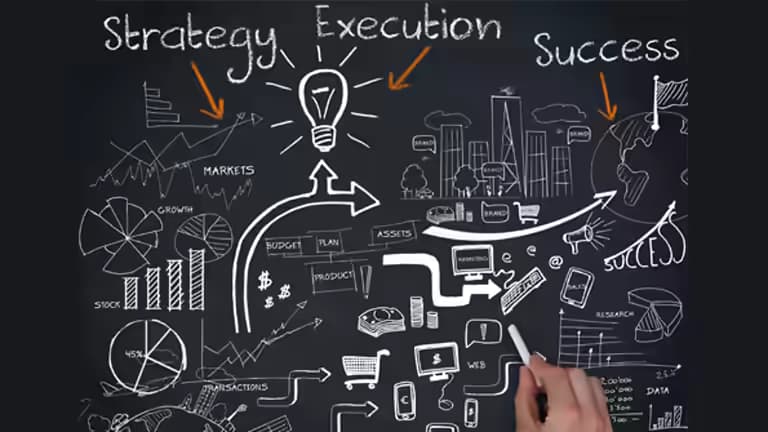
The gap between strategy and execution is the most expensive gap in any organisation. The strategy day produces clear priorities. Six months later the leadership team is asking why nothing has shifted. The plan was never the problem. The execution discipline — translating plan into goals, goals into work, work into reviewed outcomes — was.
This guide covers the practical mechanics of closing that gap. Goal frameworks that hold up, performance cycles that actually shape behaviour, the manager habits that determine whether any of this works, and how to handle underperformance without dragging it out for months.
Why strategy fails to execute
Strategies fail in execution for a small set of reliable reasons:
- The strategy was never translated into goals at the levels where work actually happens.
- Conflicting priorities were never resolved, so teams optimised for whichever was loudest that week.
- Managers in the middle were never equipped to lead the change in their own teams.
- Progress was never reviewed honestly, so drift went unnoticed until it was too late.
None of these are exotic problems. All of them are addressable, but only with deliberate, sustained discipline that the senior team owns rather than delegates — and strategy execution is the discipline that ties the rest together.
Choose a goal framework, then commit
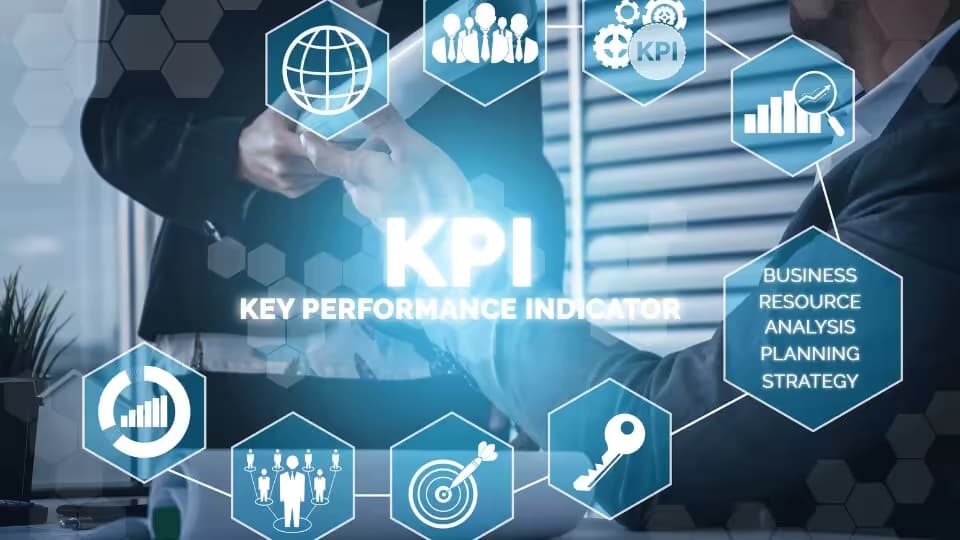
OKRs, KPIs, balanced scorecards, MBOs — there are many goal frameworks, and almost any of them works if it is used seriously. The distinction between OKRs and KPIs is the one most often muddled, and getting it right shapes how the rest of the system behaves. What does not work is switching frameworks every two years because the last one did not magically fix execution. The framework is the scaffolding; the discipline is the actual building.
A workable shape
Whatever framework you choose, the underlying logic is similar:
- A small number of organisation-level priorities — three to five, not fifteen.
- Cascaded into business-unit goals that are clearly contributory to those priorities.
- Cascaded again into team and individual goals that someone can actually act on this quarter.
- Reviewed at every level on a predictable rhythm, with the right level of detail at each level.
Resist over-cascading
There is a point where cascading goals creates more bureaucracy than alignment. Frontline employees usually do not need 12 personal OKRs derived from 4 layers of corporate ones. They need to know the two or three things that matter most for their work this quarter, and how those connect to the broader picture.
Performance management as a continuous conversation
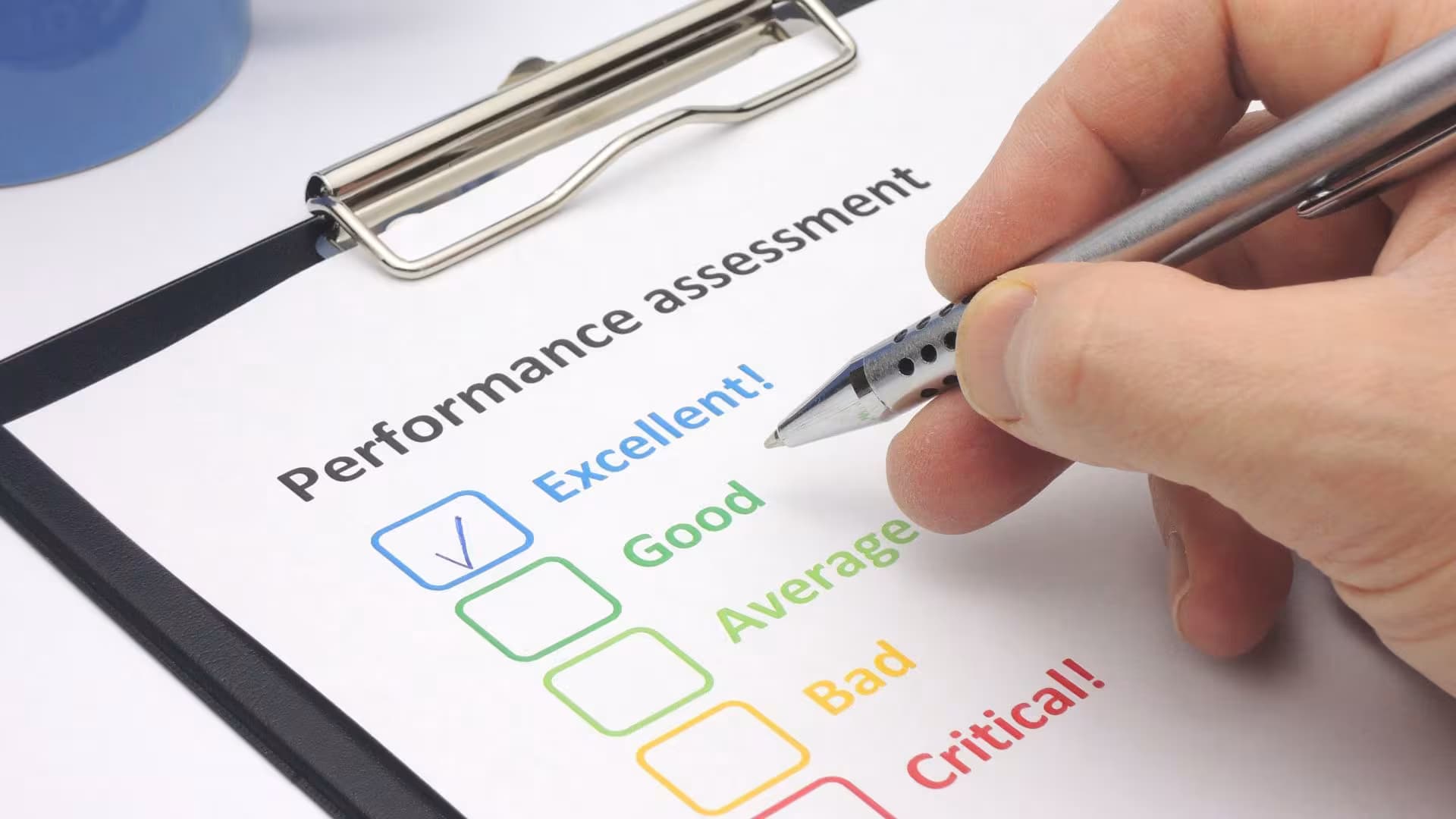
Annual performance reviews, in their traditional form, do not improve performance. They administer it. The actual work of shaping performance happens in the conversations that occur weekly, monthly and in-the-moment between manager and employee — a pattern the scientific evidence on performance management has confirmed for decades.
The four conversations every employee needs
- Expectations. What good looks like in this role, this quarter. Updated as priorities shift.
- Coaching. Specific, timely feedback on the work as it happens.
- Development. What this person is building toward, and what experience or skill closes the gap.
- Career. Honest conversation about trajectory — both what is realistic and what is not.
These do not need to be four separate meetings. They do need to actually happen. Most poor performance management is the absence of these conversations, not the structure of the form they are recorded in.
The annual review as summary, not surprise
If anything in the annual review is news to the employee, the manager has failed in the previous twelve months. The review should consolidate conversations that have already happened, formalise decisions that depend on a year's view, and reset expectations for the next cycle.
Performance versus potential — keep them separate
A common error is to conflate how well someone is performing in their current role with how far they could go. They are different questions and benefit from being assessed separately.
A high performer in their current role may have no appetite or aptitude for a bigger one — and that is fine. A solid performer with strong potential may need stretch assignments and development investment that goes beyond their current scope. A strong performer with strong potential is the succession bench you need to be deliberate about.
The nine-box, used carefully
The classic nine-box grid plotting performance against potential is useful as a calibration tool, dangerous as a public label. Use it to drive succession and development conversations among leaders. Do not let it become a caste system that employees are quietly aware of.
The manager is the system
Whatever performance system you design, it will be run by managers in their interactions with their people. A great system run by disengaged managers produces nothing. A simple system run by skilled managers produces a lot.
Investing in the manager layer is therefore the highest-leverage thing you can do for performance. That means selecting managers for managerial capability rather than only technical excellence, training them in the actual practice of having performance conversations, and holding them accountable not just for their team's outputs but for their team's growth.
Underperformance — fair, fast, and final
Underperformance handled badly is one of the most damaging things in an organisation. Other employees see what is tolerated. The underperformer themselves usually knows the work is not landing, and lives in a low-grade anxiety that does not improve with time.
The pattern that works
- Name it early. As soon as the gap is real, have the conversation. Do not save it for the next review.
- Be specific. Vague feedback gets vague responses. Concrete examples and concrete expectations.
- Give a real chance. A defined improvement period with frequent check-ins. Not a formality, a real attempt at change — the discipline behind a well-run performance improvement plan.
- Commit to a decision point. If improvement is not there, move to the formal process without further delay.
The kindness in this approach is the speed. A drawn-out underperformance situation is harder on everyone — the employee, the manager, the team — than a fair, fast process.
Build a performance culture, not a performance process
Process matters, but culture matters more. A performance culture is one where honest feedback is normal, where high standards are matched by genuine support, where success is recognised specifically, and where failure is treated as something to learn from rather than punish.
You build that culture through the daily behaviour of leaders, not through the design of the form. The form should be as light as possible while still capturing what is needed. Every minute spent on form-filling is a minute not spent on the conversation that actually changes performance.
Common strategy and performance mistakes to avoid
- Setting too many strategic priorities and calling that ambition rather than dilution.
- Cascading goals so far that frontline employees end up with personal OKRs they cannot influence.
- Treating the annual review as a substitute for ongoing feedback.
- Promoting strong individual contributors into management without training them to manage.
- Tolerating underperformance for months because the conversation is uncomfortable.
- Designing performance systems for HR's reporting needs rather than for the conversations between managers and employees.
Where to go next
For the full execution stack, the definitive guide to the performance management process is the deepest end-to-end treatment we publish.
If you want a tighter benchmark of where to spend leadership attention next quarter, the complete guide to HR KPIs is a sensible filter.
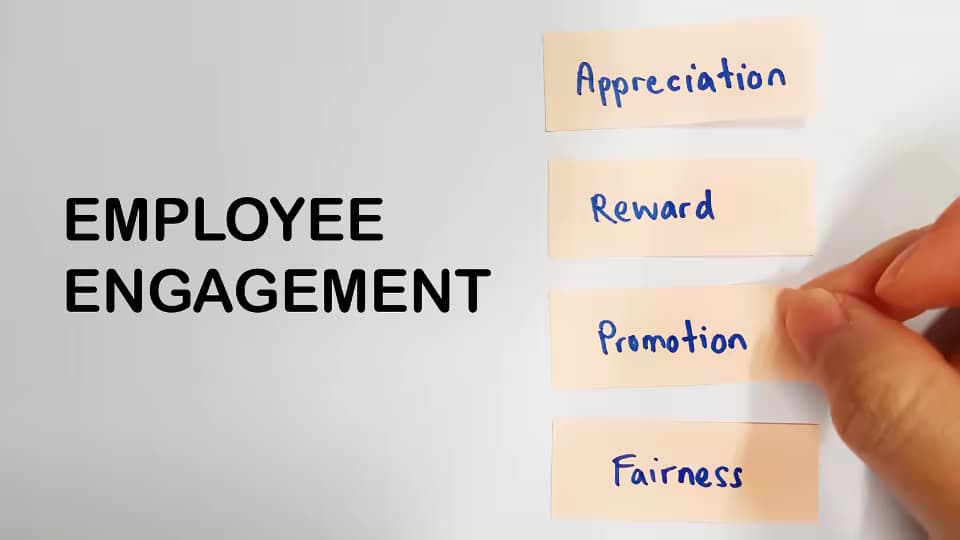
For engagement strategy, how employee engagement is measured separates the metrics that move from the ones that just take up space on the dashboard.
For people strategy more broadly, people strategy walks through how to assemble the document the executive team can actually use.
When you need a candid view of culture, high performance culture covers the conditions performance systems either reinforce or quietly undermine.
Get more guides like this
One email a week with the latest HR guides, frameworks, and templates. Unsubscribe anytime.