Every well-organised publication has a shelf for the books that don't fit the rest of the library — the cross-disciplinary, the timely, the strange. The Hub has one too. This pillar is for articles that earn their keep without slotting neatly into a category, and for the readers who like that kind of thing.
Why a catch-all exists
A taxonomy is a working compromise. It helps readers find things, but it also bends what gets written — pieces that don't fit a category tend not to get written at all. The "other" section is a small correction. It tells writers we'll take the unusual piece if it's good.
Without it, every article has to justify its category before it justifies itself. That's a bad order of priorities.
What lands here
A few patterns:
Cross-disciplinary pieces — essays that pull from work, psychology, economics, history, design, all in one argument. A representative example is understanding human behavior: what online gaming teaches us about motivation and engagement, which sits between work, psychology, and product.
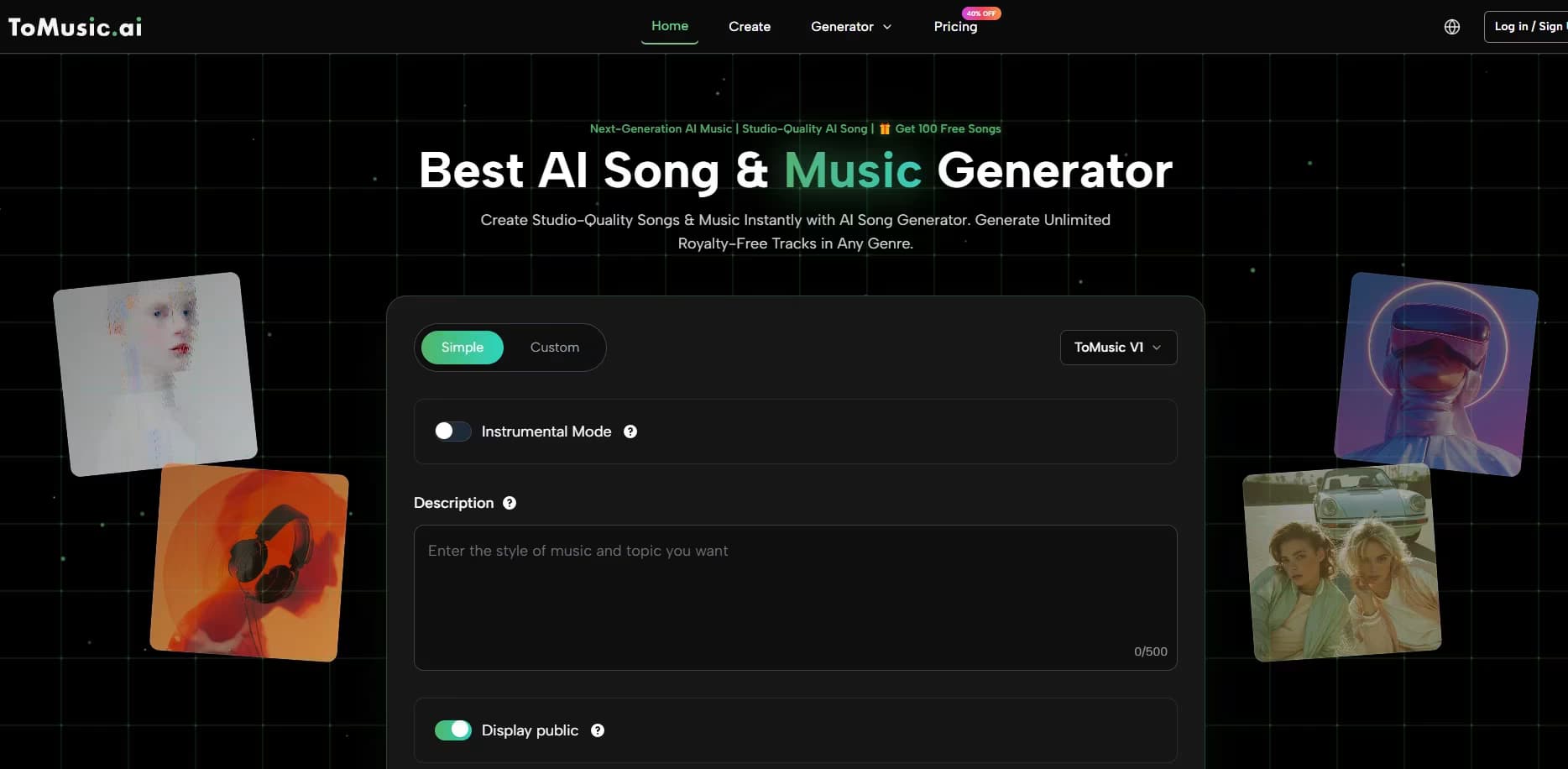
Timely commentary — responses to a moment in the wider world that won't matter in a year, but matters this week, such as the ten music AI platforms worth testing this year or a primer on how to receive salary in crypto: a complete guide for remote workers.
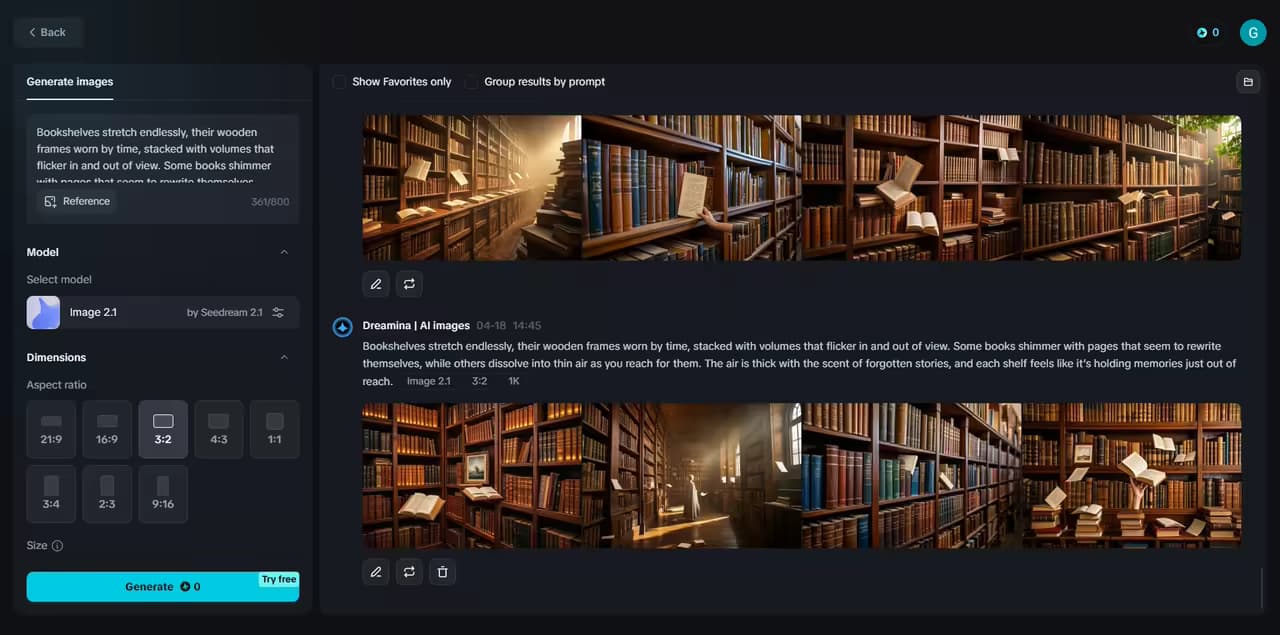
Experiments — pieces that try a different form, length, or voice, including work that may eventually justify a category of its own; library of lost dreams: shelving imaginations that never happened is the sort of thing that lands here.
Topics on the edge — articles that touch a category but live mostly outside it. Sometimes these become the seed of a new pillar, in the way decoding the doodle: how AI conquers handwritten text sits between technology and design.
How to navigate it
The other categories on the Hub are designed for search — you arrive with a question, you find the article. This one is designed for browsing — you arrive curious, you leave with something you didn't know you were looking for.
The best way to read it is regularly and without an agenda. Skim the titles. Open what surprises you. Skip what doesn't.
Why "other" can be the most interesting tab
The pieces that don't fit are often the ones a writer most wanted to write. The category page is a constraint; "other" is permission. That tends to produce a different kind of article — looser, sharper, sometimes wrong, sometimes the best thing on the site, like zero-waste cooking: creative ways to use every bit of your produce or a tighter operational piece like 9 team building games that improve collaboration and workplace communication.
Treat this section as a sampler. The articles here aren't unfinished — they're un-categorised, which is a different thing entirely.
Where to go next
- If money is the lens, start with how to choose the right investment options for your needs.
- If you care about how work and wellbeing sit together, try how Aura Skypool Dubai inspires work-life balance and employee wellness.
- For the home and family corner, little feet, big style: creating a family-friendly living space is a soft entry point.
- And if you'd rather raise an eyebrow on the way in, open the ultimate Polar Express escape room experience — the point of an "other" tab is that the editor doesn't get to choose for you.
Get more guides like this
One email a week with the latest HR guides, frameworks, and templates. Unsubscribe anytime.