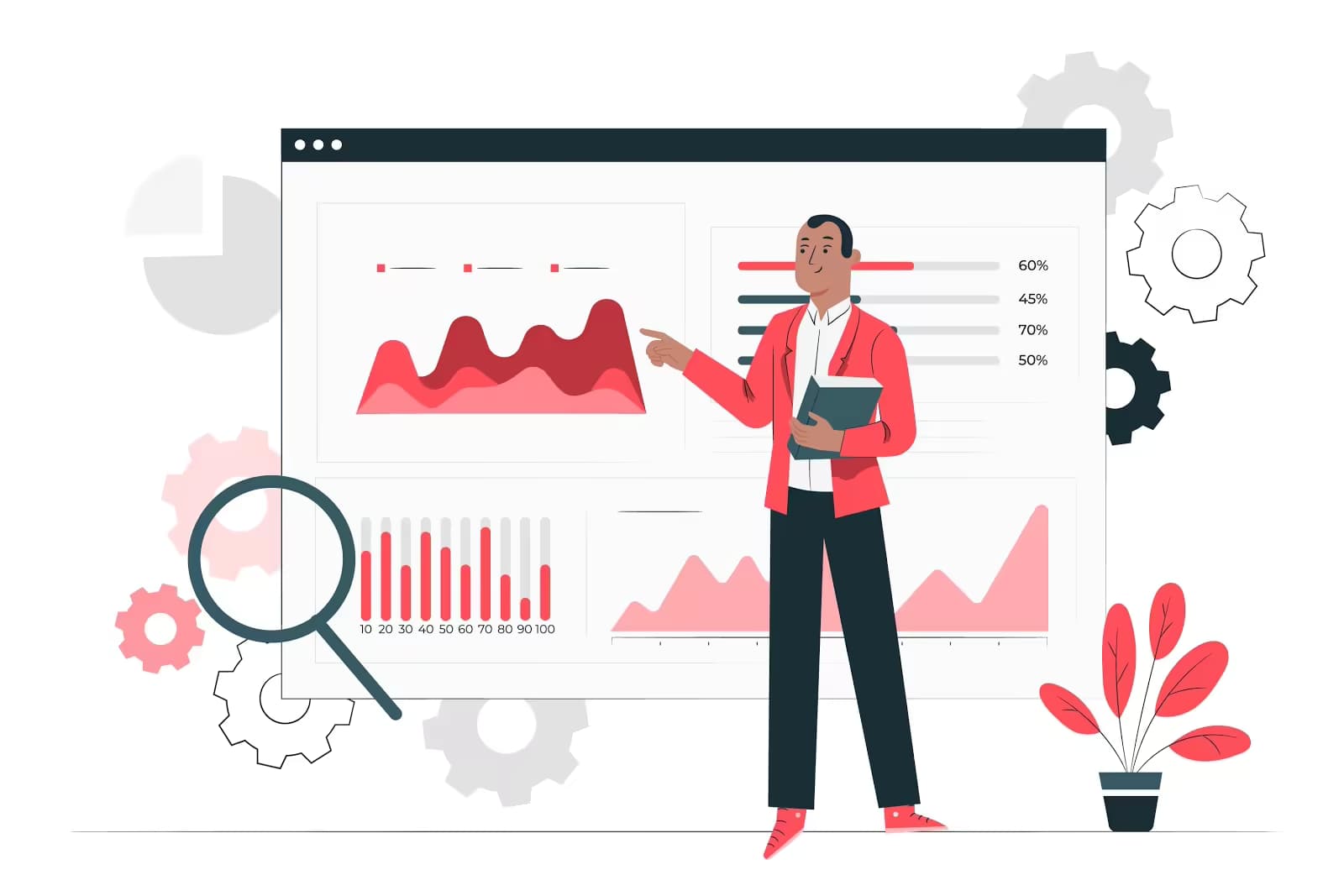
Most HR teams have more data than they use and use less than they have. Headcount sits in one system, performance in another, engagement in a third, and exit interviews in a folder no one opens. People analytics is the discipline of pulling those threads together to answer questions that change what you do — not to produce another monthly pack.
This is a long read because the work itself is layered. You need a clear definition of what you're trying to do, the data foundations to do it, and the judgment to know when the numbers are lying to you.
What people analytics actually is
People analytics is the use of workforce data to make better decisions about hiring, performance, retention, pay, structure, and culture. The keyword is decisions. If a chart doesn't change a decision, it's not analytics — it's wallpaper. We treat that framing in more depth in the power of people analytics.
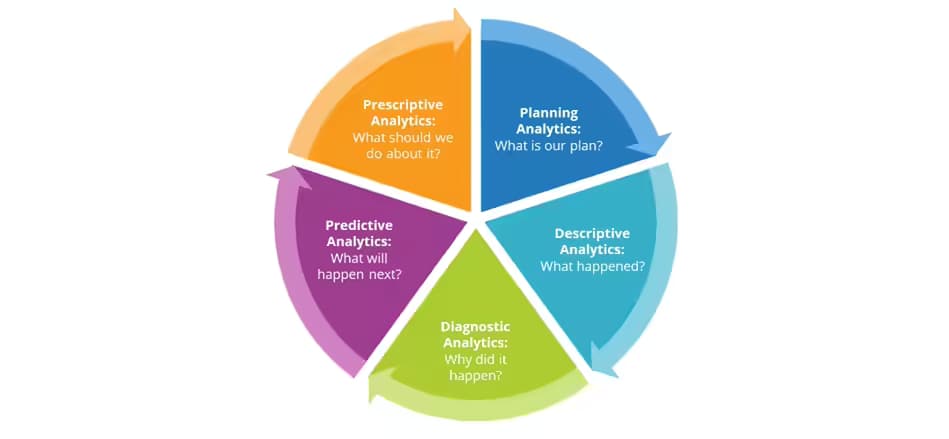
It sits in three layers, and most teams confuse them.
Descriptive tells you what happened. Turnover was 14 percent last quarter. The engineering function grew by 20 heads. Diagnostic tells you why. Turnover was driven by two teams with the same manager. Engineering grew because product hiring froze and people moved laterally. Predictive and prescriptive tell you what's likely next and what to do about it. Voluntary attrition in this team is forecast at 22 percent over the next six months — here are the three drivers and the interventions that move them.
Most organisations live in descriptive and call it analytics. The value is mostly in diagnostic.
The maturity curve
You can roughly place any team on a four-stage curve.
Stage 1: Reporting
Manual reports, often in spreadsheets, pulled from one or two systems. Numbers don't always reconcile. The HR team spends days each month producing the pack. Leaders glance at it. Most teams stuck here are working with a thin set of HR statistics rather than a live data foundation.
Stage 2: Dashboards
A central HR system or BI tool with self-service dashboards. Definitions are mostly consistent. Leaders look at the numbers but rarely ask a follow-up question because the tool can't answer one.
Stage 3: Diagnostic analytics
You can segment, drill in, and join data across systems. Someone on the team can run a proper analysis — turnover by tenure, hiring funnel by source, engagement by manager. Decisions start to shift.
Stage 4: Predictive and embedded
Models forecast attrition, hiring needs, or pay drift. Insights are pushed into the workflow — to the recruiter, the manager, the business partner — not just into a dashboard. Very few organisations are genuinely here, even if they say they are.
The trap is jumping stages. Predictive models on top of bad data produce confident nonsense. Get stage 2 clean before you reach for stage 4.
Data foundations
Before any of this works, you need three things in order.
One source of truth for the workforce
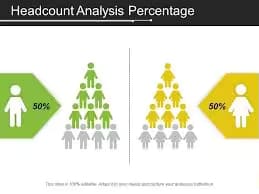
Every person in the company should appear in exactly one system as the master record. Job title, manager, level, location, start date, department — all defined once. If finance, HR, and IT each maintain their own list, your turnover number will be wrong every time, and basic headcount analysis stops being trustworthy.
Consistent definitions
Decide what counts as voluntary versus involuntary turnover. Decide whether contractors are headcount. Decide whether internal moves count as a "hire." Write the definitions down. Defend them. Most analytics arguments are really definitional arguments in disguise.
Clean joins
To answer interesting questions you'll join data across systems — HRIS, ATS, performance, engagement, learning, payroll. That requires a stable employee ID that exists everywhere. Without it, every analysis becomes a fuzzy-match exercise that nobody trusts.
Questions worth asking
The point of this work is to answer questions leaders care about. A short list of the ones that pay back the effort.
Turnover
Who's leaving, when, and why? Cut by tenure, function, manager, and performance band. Look at regretted versus non-regretted attrition separately — losing your bottom decile is healthy, losing your top decile is a five-alarm fire. Most teams underestimate data bias in HR analytics when reading these cuts.
Hiring quality
Are the people you hire performing? Triangulate first-year retention, 12-month performance, and manager satisfaction. Then trace back to source, assessment scores, and hiring manager. You'll usually find one or two sources doing the heavy lifting and a handful that should be cut.
Engagement and manager effect
The manager is the single biggest variable in most engagement data. Cut survey results by manager, not just by function. Be careful with small teams — anything under five people stops being statistically meaningful and starts being personally identifiable.
Productivity and time allocation
Harder, but high-value. Where is the team's time actually going? Calendar data, ticket throughput, and project time-tracking can show whether your most senior people are being used well or being eaten alive by meetings.
Pay and progression
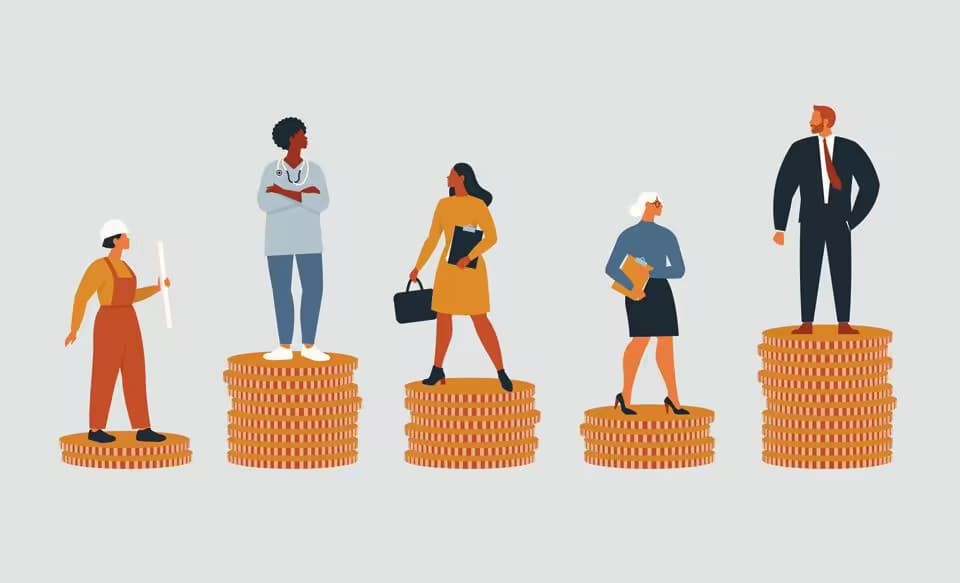
Are the same kinds of people getting the same kinds of raises and promotions? Pay equity analysis is uncomfortable but unavoidable, and the discipline of salary benchmarking is what keeps it from drifting into anecdote. So is progression equity — who gets stretch assignments, who gets stuck.
Running an analysis end-to-end
A useful analysis follows the same shape, regardless of the question.
Start with the decision. What will change depending on what you find? If the answer is "nothing," stop now.
Frame the question precisely. "Why is turnover high?" is not a question. "Why has voluntary attrition in customer support doubled over the last two quarters?" is.
Pull the data. Pull more than you think you need, but document exactly what you pulled and when. Future-you will thank present-you.
Clean and check. Spot-check a sample by hand. If the numbers don't match what the business partner thinks they should, find out why before you go further. The error is usually in the data, occasionally in their intuition.
Analyse. Start simple — descriptive cuts and basic comparisons. Reach for fancier methods only when simple ones can't answer the question.
Interpret honestly. Report what you found, including what you didn't find. Resist the urge to tell a clean story when the data is messy.
Hand off the decision. The analyst's job ends when the decision-maker has what they need. Track whether the decision was actually made, and what happened.
Ethics and privacy
People analytics works on data about people. That changes the rules, and a clear view of HR data responsibilities is the baseline every team should hold itself to.
Aggregate by default. If a cut shows fewer than five individuals, suppress it. Be explicit about what data you collect, why, and how long you keep it. Get input from legal and privacy early — depending on jurisdiction, some of what's technically possible isn't legally allowed, and even when it is, employee trust is fragile.
The harder line is what should you do, separate from what you can. Just because you can pull keystroke data or read sentiment from internal messages doesn't mean you should. A useful test: if every employee saw exactly what you were doing with their data, would they still trust the company? If not, don't do it.
Common people analytics mistakes to avoid
- Building dashboards before agreeing definitions — you'll spend the next year arguing about whose number is right
- Confusing correlation with causation, especially in turnover analysis where almost everything correlates with almost everything
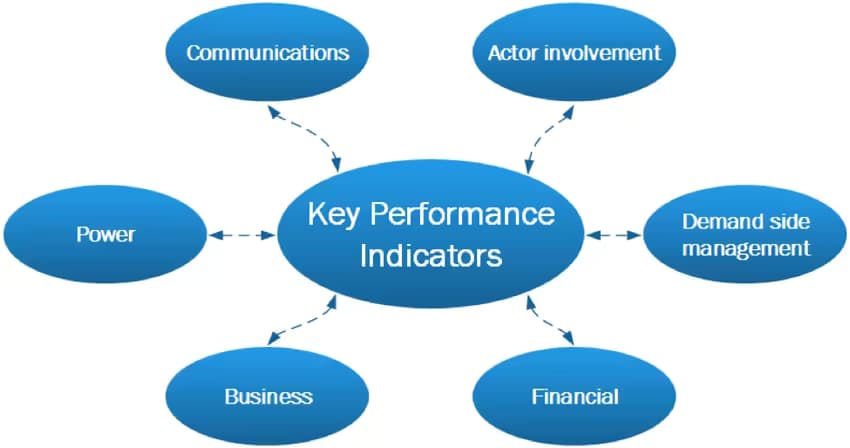
- Reporting on too many metrics — a dashboard with 40 KPIs hides the three that matter
- Treating small samples as if they were large — manager-level cuts of teams under ten people are noise, not signal
- Outsourcing interpretation to the tool — the algorithm doesn't know your business, you do
- Failing to close the loop — running analyses no one acts on, then wondering why the team has no credibility
Where to go next
For the core operating model, HR analytics data: a guide for HR managers covers how to organise the function so the analyses actually get done.
When KPIs are where the conversation lives, metrics versus key performance indicators is the cleanest framing for what to put on a dashboard and what to leave off.
On the visualisation side, data visualization of HR data explains the choices that decide whether leaders look at a chart or look past it.
For the planning use case, strategic workforce planning tools is the practical companion when analytics shifts from describing the present to shaping the future.
When you need to surface engagement signals, employee engagement analytics walks through what is worth measuring and what is just noise.
Get more guides like this
One email a week with the latest HR guides, frameworks, and templates. Unsubscribe anytime.

























.avif&w=3840&q=75)
.avif&w=3840&q=75)