
Most HR problems don't need a private investigator. Standard checks and internal reviews handle 90% of workplace issues just fine. But knowing when to hire a private investigator saves companies from million-dollar mistakes and legal disasters nobody saw coming.
Paramount Investigative Services has handled 20,000+ cases over 25 years, and the firm tells clients the truth even when it costs them business. Sometimes you don't need a PI, sometimes you absolutely do. Here are five situations where hiring a private investigator becomes necessary.
When to Hire a Private Investigator for Employee Screening
A standard background check cleared the candidate, that’s a great start. But it won't catch the VP who bankrupted two companies or the manager fired three times for harassment. Deep screening reveals patterns standard checks miss completely.
Reference Verification Beyond the Resume
As professional investigators, we call people who actually worked with your candidate, not the cherry-picked references on applications. Your colleagues who know how someone performs under pressure. And we check in with former supervisors who remember why they really left, and what they don't put in writing.
These conversations reveal information candidates never share:
- Performance issues that led to departures
- Conflicts with coworkers or management
- Actual job responsibilities versus resume claims
- Reputation within their industry
Financial Background Investigations
Financial backgrounds matter for positions handling money or sensitive data, and investigators find liens, judgments, and bankruptcies that candidates hope you'll miss. We check for side businesses that compete with yours.
Credential and Social Media Verification
About 30% of candidates lie about degrees, certifications, or licenses. We confirm education claims with actual schools and verify professional licenses with state boards. Moreover, we check LinkedIn titles against real employment records, finding discrepancies hiring managers never catch.
Social media research helps us uncover behavior patterns standard checks miss. We find deleted posts and private accounts and document red flags before someone joins your team.
When to Hire a Private Investigator for Workplace Issues
Harassment claims need outside investigation when your HR team can't get straight answers. Employees don't talk freely to people they see every day because they worry about office politics and retaliation affecting their careers.
Independent Witness Interviews
Outside investigators get honest conversations that internal staff never hear. People open up when they know the investigator won't attend the next staff meeting, and professional investigators ask questions that reveal the truth without leading witnesses.
Key advantages of independent investigations include:
- Employees speak more freely without fear
- No internal bias affecting the process
- Professional documentation that holds up later
- Objective findings your team can trust
Workplace Surveillance Documentation
Surveillance proves or disproves claims when stories don't match. Someone reports hostile behavior, but coworkers say nothing happened. We observe actual workplace interactions and document patterns through video that shows what really occurs.
According to the Association of Certified Fraud Examiners, workplace fraud costs organizations 5% of annual revenue. Companies need solid evidence to make smart decisions, and internal investigations often miss details that outside professionals catch.
When to Hire a Private Investigator for Corporate Fraud
Your accounting team spots transactions that don't make sense, with money moving between accounts in strange patterns. If someone's covering tracks, they’d know exactly how your internal audits work, which means fraud investigations need fresh eyes from specialists.
When to Hire a Private Investigator for Embezzlement
Employee theft needs a thorough investigation beyond what accounting departments handle alone. Investigators track who accessed which systems and when, building cases that actually stick. Sloppy investigation lets thieves walk away free.
When to Hire a Private Investigator for Vendor Fraud
Suppliers sometimes bill for premium goods but deliver cheap substitutes, or they inflate quantities on invoices. We verify deliveries match invoices and compare your prices to market rates across your industry.
Common vendor fraud patterns we find:
- Billing for premium materials, delivering cheap alternatives
- Inflating quantities on invoices
- Charging for services never performed
- Creating shell companies for kickback schemes
IP Theft Needs Fast Investigation
Former employees sometimes steal trade secrets for competitors. An engineer quits and six months later launches a suspiciously similar product.
We document which files got accessed before departure and monitor patent applications. Speed matters because stolen designs get harder to prove as time passes.
Workers' Compensation Claims May Need Investigation
Most workers' comp claims are legitimate injuries deserving full support. Fraudulent claims cost businesses billions every year, though. Red flags tell you when an investigation makes financial sense rather than blindly paying claims.
Surveillance for Activity Verification
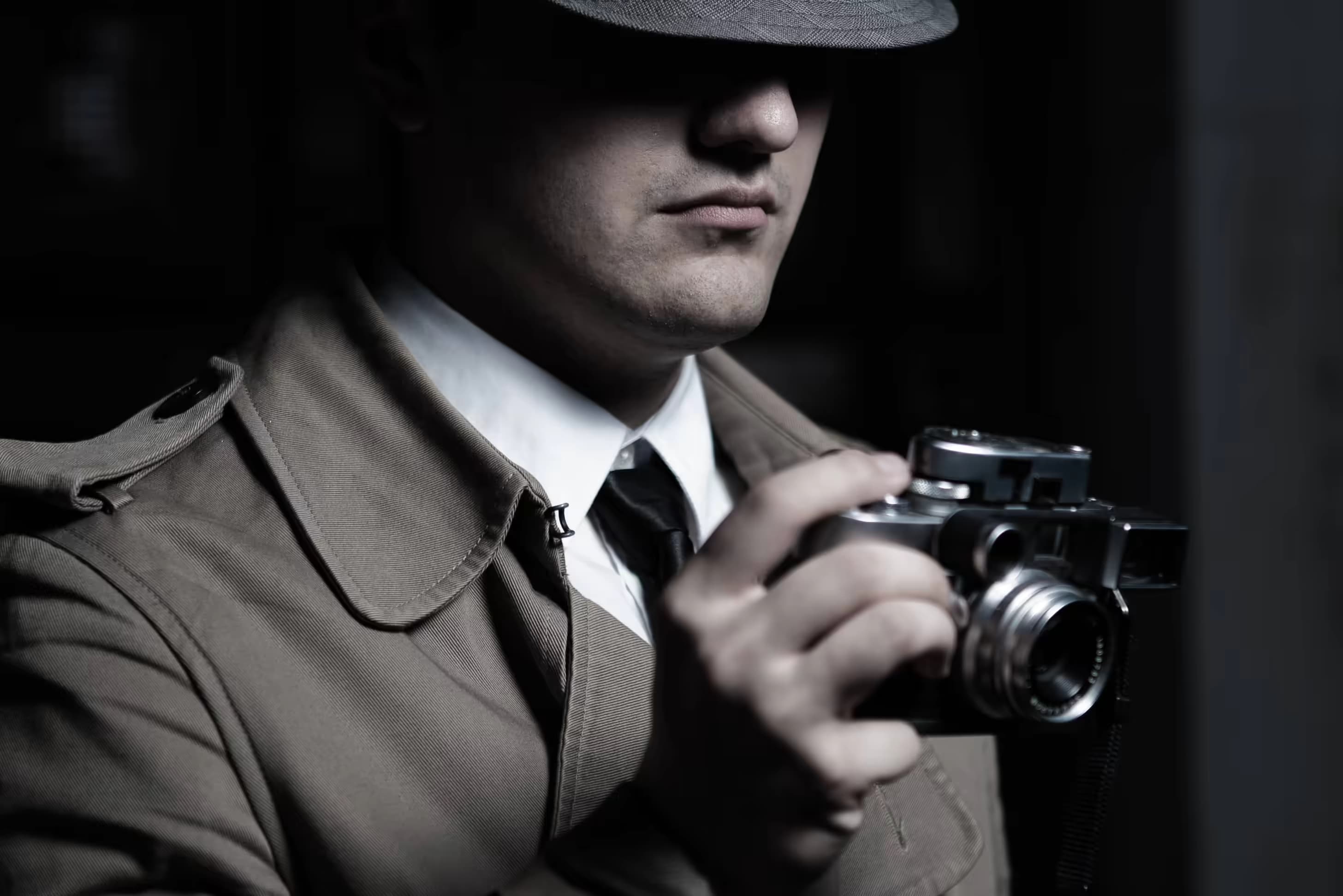
Surveillance shows what injured employees actually do daily, documenting activities that don't match claimed restrictions. We follow subjects to undisclosed side jobs or watch them do physical work around their homes. Video evidence speaks louder than conflicting statements in claim disputes.
Social Media Monitoring
Social media monitoring catches people before they delete incriminating posts. Someone with a claimed back injury posts about their weekend softball tournament, and investigators preserve screenshots with timestamps. The U.S. Department of Labor takes fraud seriously when companies provide documentation.

Photo by AlphaTradeZone
Business Partnership Vetting Needs Professional Investigation
Financial statements look clean and the merger pitch sounds perfect. Companies hide serious problems during acquisition talks, though, and standard due diligence misses issues that destroy value after deals close.
Executive Background Verification
Executive background checks reveal undisclosed lawsuits and regulatory problems that due diligence teams miss. We verify licenses and credentials that might be exaggerated or completely fake.
Revenue and Operations Verification
Revenue verification confirms customer relationships are real and sustainable. We visit actual locations and interview employees who give honest assessments about company health.
Site visits reveal critical information:
- Outdated equipment indicates operational problems
- Unhappy workers are suggesting management issues
- Safety violations create liability risks
- Whether the customer base is growing or shrinking
Numbers on spreadsheets lie easily. Physical observation reveals the truth about business health and future viability.
Pick Investigators Who Tell You the Truth
Good investigators tell you when you don't need investigation services. The best ones turn down business when clients have better options, caring about solving actual problems rather than padding billable hours.
Ask about their corporate and employment case experience. Verify they have legitimate licenses and insurance coverage. Check that they use in-house teams, not cheap contractors who do messy work.
Skip investigators who promise guaranteed results or make cases sound easy. Real professionals explain what they can and can't find realistically. You want truth that helps you make smart decisions, not optimism that leads nowhere useful.
Frequently Asked Questions
How much does it cost to hire a private investigator for employee screening?
Most professional investigators charge between $95 and $200 per hour for employee screening work. Complete background investigations typically run $500 to $2,000, depending on depth. I've seen companies spend $1,500 on screening and avoid a $400,000 mistake from a bad hire.
Can a private investigator help with workers' compensation fraud?
Yes. Surveillance for workers' comp fraud is one of the most common services investigators provide. We document activities that contradict claimed injuries through video evidence. Most investigations run 10 to 30 hours of surveillance, depending on the case.
How long does a workplace investigation take?
Workplace investigations typically take one to three weeks. Simple cases with few witnesses resolve quickly. Complex harassment or fraud investigations involving multiple employees take longer. We provide progress updates throughout the process.
Do I need an investigator for every new hire?
No. Standard background checks work fine for most positions. You need a deeper investigation for roles with financial access, sensitive data, or positions requiring high trust. Save investigation budgets for executive hires and roles where bad hires create major risks.
What's the difference between a private investigator and a background check company?
Background check companies pull records from databases and verify basic information. Private investigators conduct interviews, surveillance, and field work. We find information not in databases by talking to real people and doing physical verification.