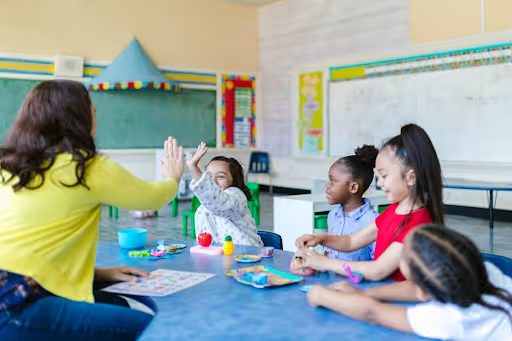
Educational equity becomes real when every student feels seen, respected, and supported. Schools must respond to diverse needs with thoughtful, informed actions. Teachers and leaders must build skills that help them understand cultural contexts and challenge barriers. Cultural competence drives this work forward by promoting inclusion, fairness, and meaningful engagement. Students reach their potential when educators connect academic goals with real cultural awareness. The following sections explain why cultural competence enhances educational equity and how educators transform classrooms to benefit every learner through awareness, action, and advocacy.
1. Cultural Competence Builds Strong Relationships
Strong relationships shape student success. Teachers who understand cultural backgrounds communicate with empathy and respect. When educators speak students’ cultural languages—literal or figurative—students feel safer and more willing to participate. Cultural competence lets educators listen actively, notice differences sensitively, and respond appropriately. Students trust adults who acknowledge their identities and experiences. In turn, students take academic risks, engage fully, and express themselves openly. Schools become more welcoming when teachers treat culture as an asset, not a hurdle. Inclusive relationships reduce anxiety, boost confidence, and strengthen classroom communities where every student belongs.
2. Professional Growth Enhances Classroom Practice
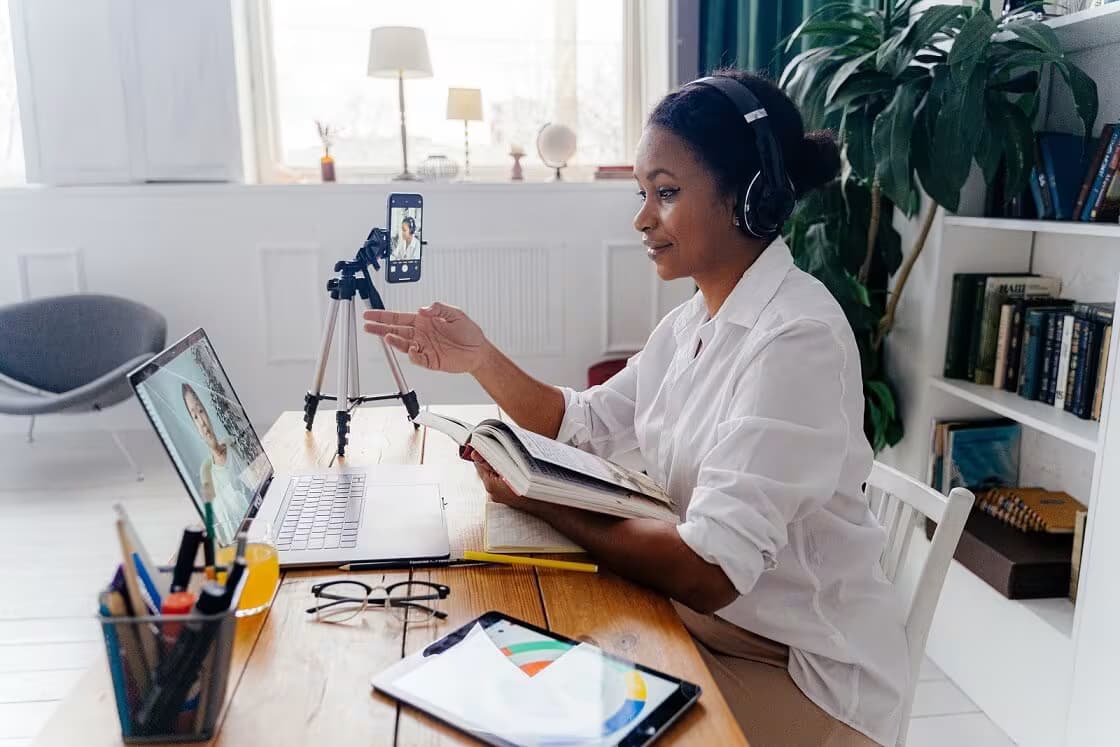
Growth in cultural competence expands professional skills. Educators refine teaching methods and adjust curriculum to reflect diverse voices. Programs, such as a Master of Education in school counseling from Southeastern Oklahoma State University, integrate diversity-focused coursework that strengthens understanding of human growth, social context, and inclusive practices. This focus helps future counselors address disparities and connect students with support thoughtfully. Cultural competence becomes part of everyday practice when educators seek continuous learning. They explore bias, reflect on feedback, and collaborate with diverse peers. Through this ongoing journey, teachers refine strategies that support equity and foster deeper student engagement.
3. Curriculum Becomes More Inclusive
An inclusive curriculum reflects many perspectives and honors all students’ histories and contributions. Cultural competence equips educators to choose texts and learning activities that resonate broadly. Students see themselves in lessons and notice the value of others’ experiences too. This makes learning feel relevant and meaningful. When educators integrate diverse voices, students build empathy and critical thinking. They also challenge stereotypes and expand understanding of global cultures. Culture-centered curriculum breaks down barriers and opens doors. Students show greater motivation when they recognize that their stories matter. Inclusion becomes an educational standard, not an afterthought.
4. Classroom Practices Support Equity
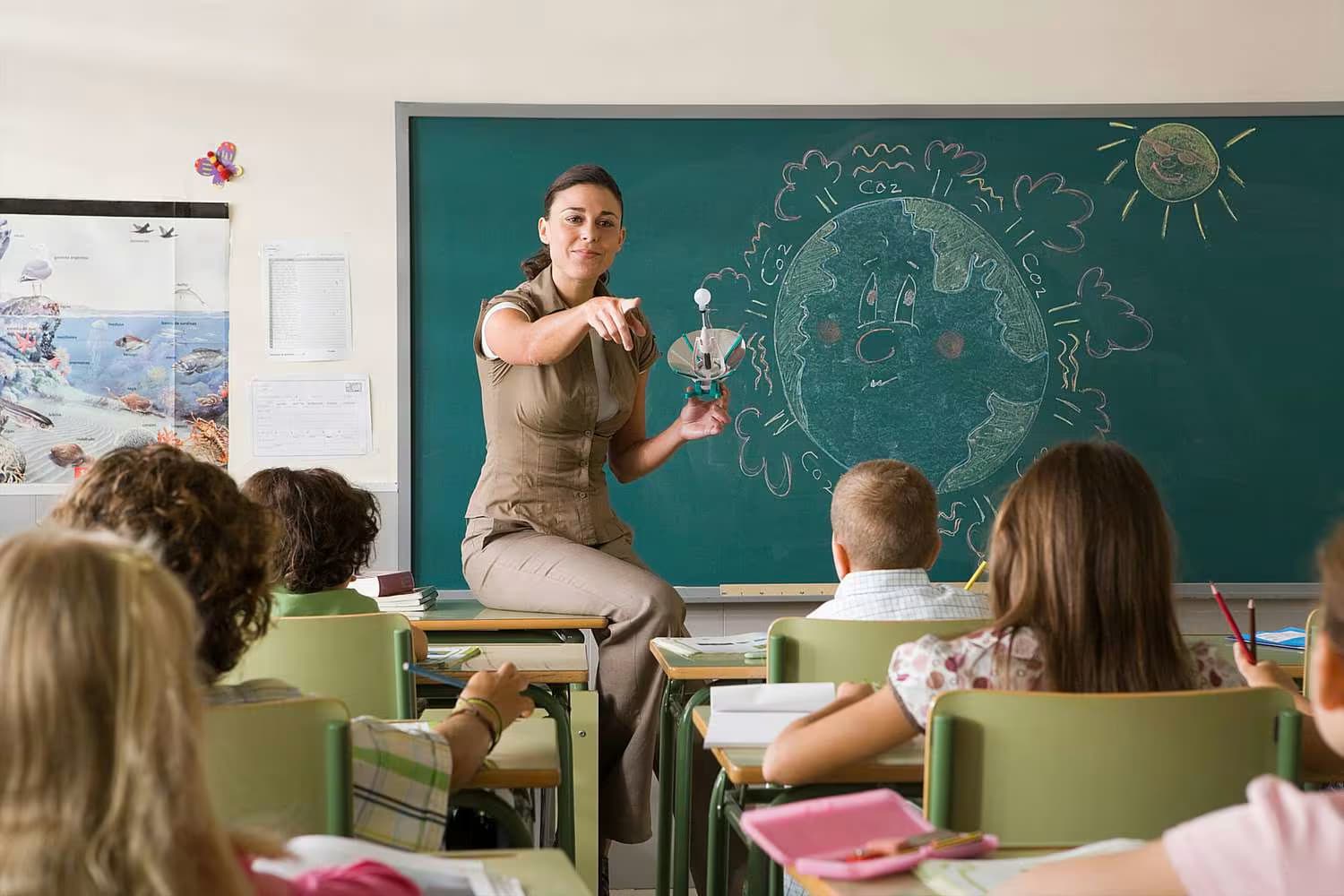
Equity-focused classrooms adapt to students’ needs without lowering expectations. Teachers with cultural competence use varied instructional strategies to ensure access for everyone. They differentiate activities and adjust pacing to match learners’ strengths. They ask questions that invite multiple viewpoints and solve problems collaboratively. Culturally competent educators notice who participates and invite quieter voices thoughtfully. They set norms that reward respect and curiosity. These choices create spaces where students feel respected and capable. Educators also adjust assessment methods to measure growth fairly and authentically. Students thrive when teaching anticipates diverse needs and responds proactively.
5. Bias Awareness Promotes Fairness
Bias can shape decisions in ways educators do not notice unless they reflect deeply. Cultural competence encourages self-awareness and challenges assumptions. Teachers examine expectations and question whether routines favor certain groups. They listen for patterns and adjust behaviors that undermine equity. Through honest reflection, educators refine practices and seek feedback. Schools cultivate environments where adults acknowledge bias openly and improve continuously. Students notice fairness and feel encouraged to speak up when they see inconsistencies. When equity guides decision-making, schools uphold standards that respect every student’s potential and dignity.
6. Communication Improves Across Cultures
Effective communication adapts to diverse cultural norms and preferences. Culturally competent educators recognize how students express ideas, interpret gestures, and use language. They avoid one-size-fits-all approaches and take time to learn how families prefer to connect. Teachers communicate with clarity and humility, asking questions instead of assuming. They partner with interpreters when needed and choose words thoughtfully. Students respond positively when they feel understood and appreciated. It strengthens trust and reduces misunderstandings. Schools benefit when families engage actively, feel valued, and participate in decision-making. Communication becomes a bridge, not a barrier, to learning.
7. Classroom Climate Encourages Belonging
Students learn best when they feel they belong. Cultural competence contributes to welcoming classroom climates where differences feel safe and celebrated. Teachers include rituals and learning experiences that affirm identities and encourage mutual respect. Students share stories and contribute unique perspectives without fear of judgment. Educators model inclusive language and challenge exclusionary behavior quickly and constructively. This climate reduces isolation and anxiety for students who might otherwise feel marginalized. A sense of belonging fosters collaboration, curiosity, and willingness to take risks. Students perform better when classrooms feel like communities where everyone’s voice matters.
Cultural competence transforms education by making equity actionable and measurable. Teachers who understand culture communicate more effectively, design inclusive learning, recognize bias, and build trust. Students benefit from environments where they feel seen and supported. Schools that embrace cultural competence promote fairness, connection, and student success. Cultural competence elevates voices, nurtures relationships, and supports families. Equity gains momentum when educators commit to growth, reflection, and inclusion. Cultivating cultural competence strengthens every aspect of schooling and creates learning spaces where every student can thrive.