Hiring internationally has become routine for many organizations, but onboarding international employees still presents challenges that HR teams rarely anticipate until problems begin to surface. New hires often join orientation sessions in a second language, absorb dense information, and signal understanding even when parts are unclear.
The impact shows up later as missed steps, policy confusion, or delayed productivity. AI live translation helps solve this at the source. By supporting understanding during onboarding itself, AI interpreter tools ensure that critical information is truly understood, not just delivered.

Why Traditional Onboarding Breaks Down in Multilingual Environments?
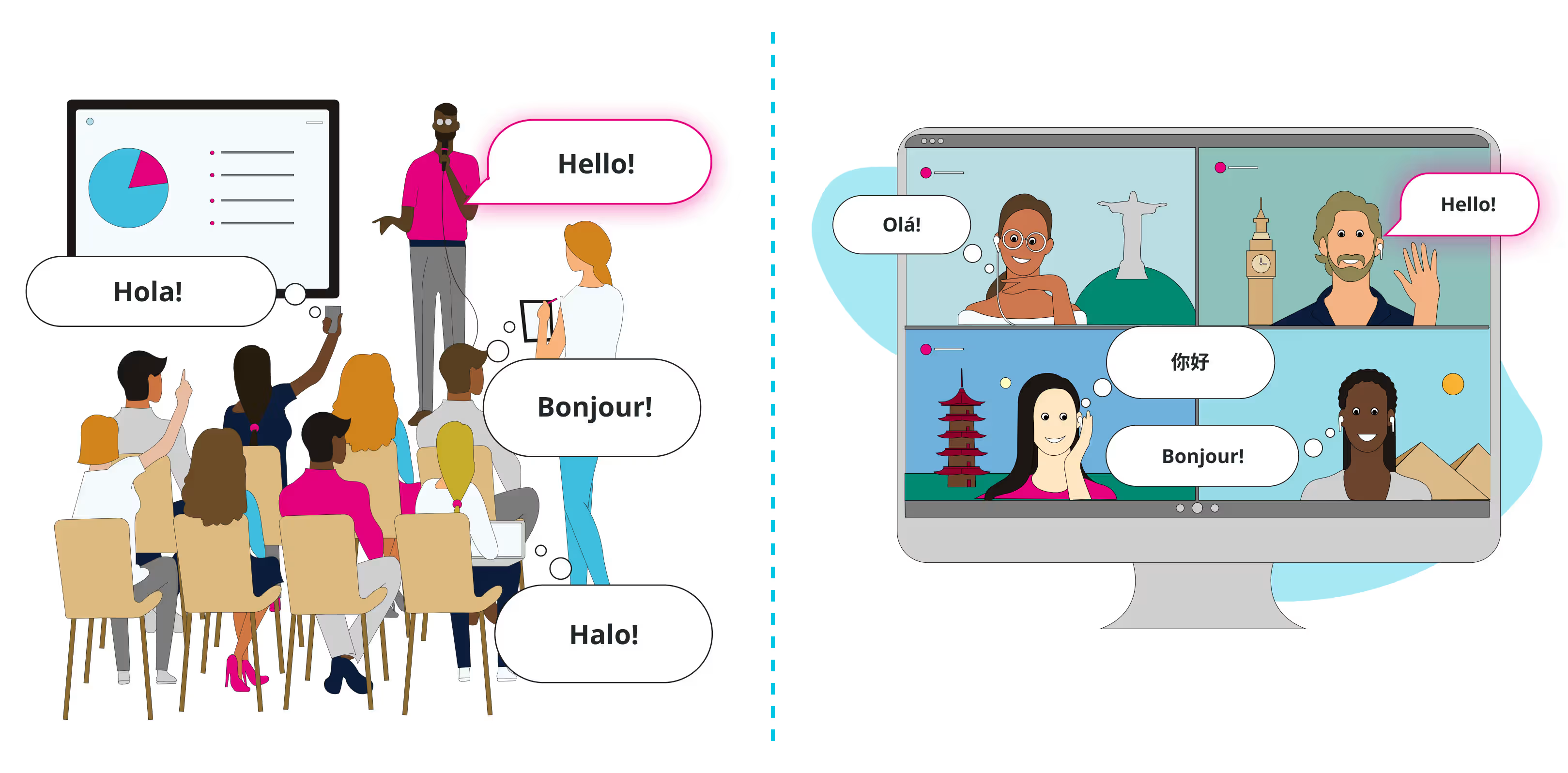
Traditional onboarding breaks down in multilingual environments because it is built around a single shared working language. Even when written documents are translated, live onboarding sessions usually remain monolingual and rely on verbal explanations, screen sharing, and informal Q&A. This creates comprehension gaps that are easy to overlook during onboarding itself.
The breakdown typically occurs in the following areas:
- Fast-paced walkthroughs of internal tools or security protocols
- Policy explanations that rely on cultural context or idiomatic language
- Benefits discussions involving unfamiliar financial or legal concepts
- Manager-led sessions that assume shared workplace norms
- Group onboarding calls where non-native speakers hesitate to interrupt
AI live translation helps close this gap by supporting real-time understanding, ensuring that critical onboarding information is clear when it is shared, not reconstructed later.
What Does AI Live Translation Actually Mean for HR Teams?
AI live translation means enabling real-time understanding during HR conversations by converting spoken language into translated text as the conversation happens. Instead of relying on post-session explanations or follow-ups, employees can process onboarding information in a language they understand more comfortably.
In HR onboarding, this typically includes:
- Voice-to-text transcription during HR-led sessions
- Real-time translated captions for international employees
- Two-way translation during interactive conversations
- Automatically translated onboarding discussions for later reference
Rather than replacing HR professionals, this technology functions as an AI interpreter that removes language as a barrier while preserving natural conversation flow.
Step 1: Identify Onboarding Moments Where Accuracy Matters Most
Not every onboarding interaction needs translation. AI live translation should be prioritized for sessions where misunderstandings create legal, operational, or experience risks. These include contracts, compliance training, payroll and benefits discussions, IT security protocols, role expectations, and health or safety briefings. Focusing on these moments prevents costly errors without slowing down the overall onboarding process.
Step 2: Match the Translation Approach to the Onboarding Format
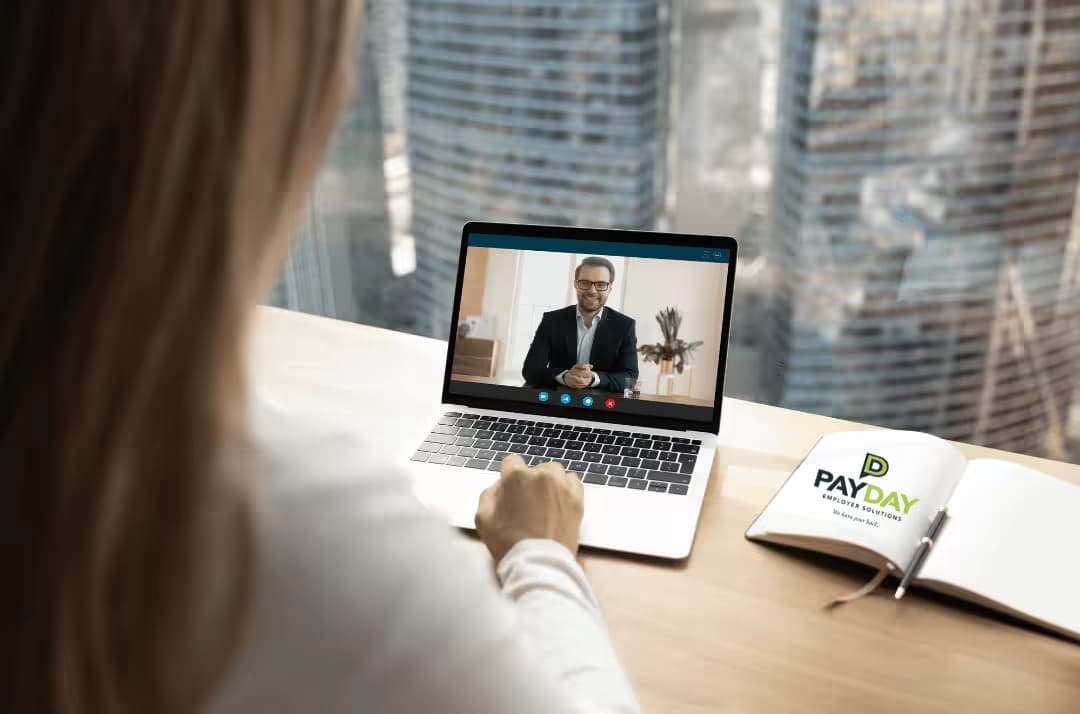
Different onboarding formats require different uses of real-time translation. In one-on-one sessions, an AI interpreter enables a natural two-way conversation. In group onboarding, live translated captions help employees follow without interrupting. For hybrid programs, translating live sessions and sharing translated summaries afterward reinforces understanding and consistency.
Step 3: Normalize Translation at the Start of the Conversation
Translation works best when it is treated as standard practice. Setting expectations upfront helps employees feel comfortable using the AI translation tools. A simple explanation that real-time translation is being used to ensure clarity signals inclusivity and encourages employees to ask questions if anything feels unclear, without fear of slowing the session down.
Step 4: Prepare Onboarding Language in Advance
AI live translation performs better when given context. Company-specific terms, acronyms, internal tools, and policy names can confuse automated systems. Creating a lightweight onboarding glossary with role titles, internal platforms, benefits terminology, and common HR phrases reduces translation errors and improves clarity during live onboarding sessions.
Step 5: Adjust Communication Style During Critical Explanations
HR teams do not need to change how they communicate, but pacing matters. Slowing down during explanations involving numbers, deadlines, or compliance steps improves real-time translation accuracy. Asking employees to briefly restate key points helps confirm understanding early and surface questions before they become problems later.
Step 6: Extend AI Live Translation Beyond HR into Manager Onboarding
Onboarding continues with managers. Using an AI interpreter during manager-led sessions supports clear role expectations, workflow explanations, goal setting, and early feedback. When employees fully understand expectations from the start, they gain confidence faster, and managers spend less time correcting misunderstandings or realigning work.
Step 7: Reinforce Onboarding With Translated Summaries
Even with real-time translation, onboarding delivers a lot of information quickly. Providing translated summaries after key sessions helps employees review important details at their own pace. Effective summaries highlight deadlines, access instructions, policy reminders, contacts, and next steps, reducing cognitive overload and improving long-term retention.

Building Inclusive Onboarding Through Clarity
Effective global onboarding is not about pushing employees to adapt faster. It is about meeting them where they are, linguistically and cognitively, during one of the most demanding phases of their journey.
By supporting understanding in real time, HR teams can preserve the human side of onboarding while removing language barriers that quietly disrupt clarity. When conversations are truly accessible, employees feel more confident, managers align expectations sooner, and organizations move closer to seamless cross-border collaboration without losing focus or precision.